The Mechanics of Offensive Stagnation
The Boston Red Sox face a pivotal series at Tropicana Field, struggling to avoid a sweep by the Tampa Bay Rays. This slump is defined by a systemic inability to generate high-leverage scoring opportunities, compounded by a lack of disciplined plate appearances.
Statistical analysis of the previous five-game stretch reveals a troubling trajectory: the team has failed to record more than seven hits in any contest, averaging just 2.4 runs per game. This performance floor underscores a failure in situational hitting, highlighted by a recent 4-3 loss where the team managed zero walks and limited offensive production.
Catcher Mickey Gasper has cited mounting frustration regarding the team’s inability to capitalize on runners in scoring position. For the Red Sox, this inefficiency represents a significant competitive risk, jeopardizing their standing within the highly volatile American League East.
Roster Depth and Pitching Reliance
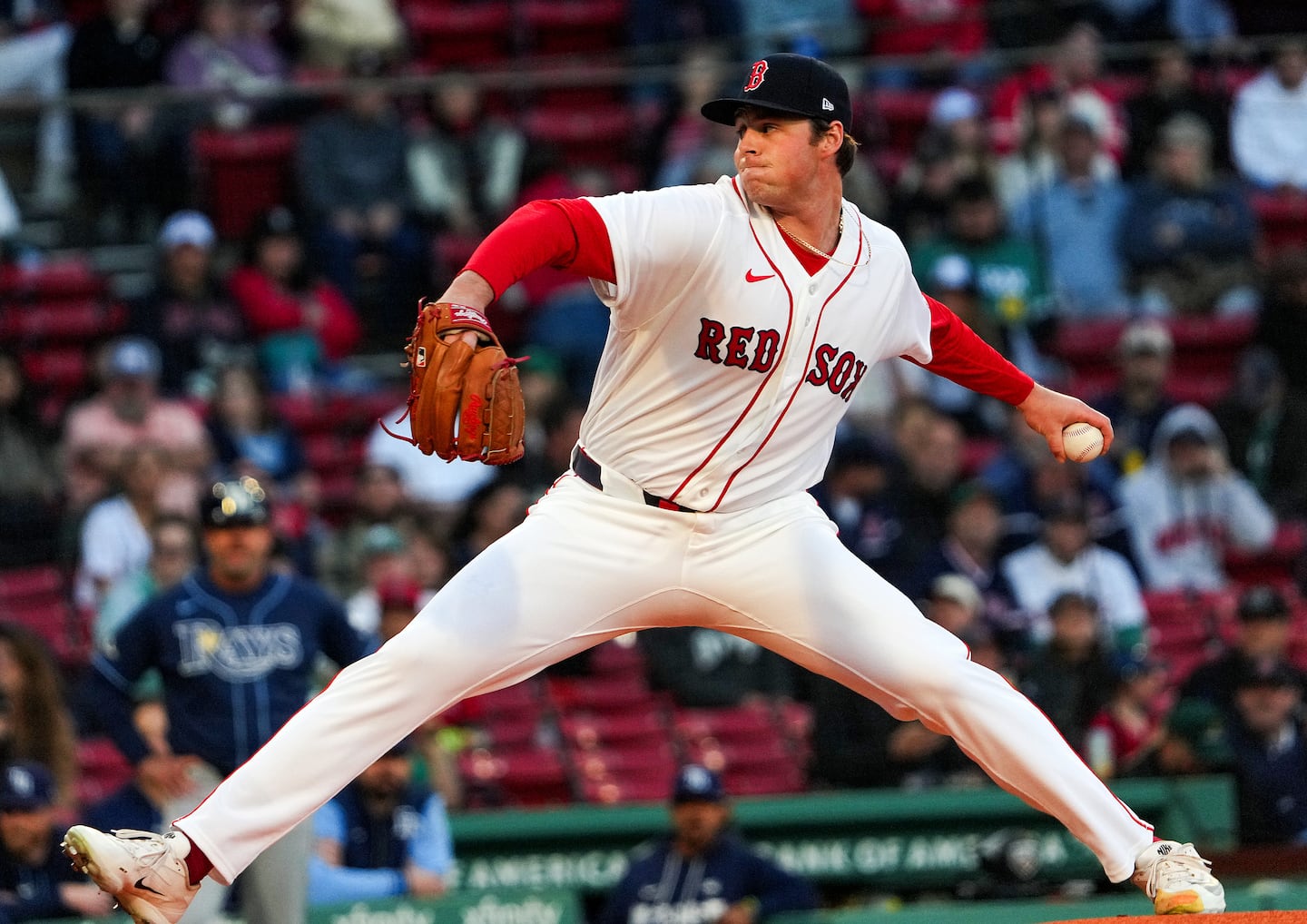
In response to offensive stagnation, the organization is pivoting toward internal depth. The expected recall of 25-year-old left-hander Jake Bennett from Worcester offers a strategic attempt to stabilize the rotation. Bennett’s 1.60 ERA in minor league play provides a baseline for a pitching staff currently tasked with compensating for lack of run support.
While Bennett’s prior MLB outing—five innings of one-run ball against Houston—was promising, the reliance on a developing arm to secure victories against first-place opponents underscores the slim margins currently governing the team’s success. The Red Sox face the challenge of outdueling Tampa Bay’s Drew Rasmussen, who recently limited the Marlins to a single hit over seven innings.
Institutional Context and Competitive Positioning
The 2026 MLB landscape underscores the necessity of roster depth. While Red Sox management navigates an identity crisis, the league-wide performance of standouts like Munetaka Murakami (17 home runs) and Paul Skenes serves as a benchmark for elite production. The Red Sox’s inability to mirror this individual impact highlights structural challenges in scouting and development that extend beyond a short-term slump.
The fluid nature of mid-season roster management, compounded by scheduling volatility against teams like the Yankees, necessitates constant recalibration. In an era where media consumption is increasingly fragmented, failure to secure high-leverage wins carries significant reputational and financial implications for the franchise.
Operational Consequences and Future Stability
The recent loss against the Yankees serves as a microcosm of the team’s current fragility. Despite strong individual efforts from pitchers like Connelly Early—who has delivered two 7.0-inning shutouts in his last five starts—the offense has failed to provide consistent support. This disconnection between pitching efficacy and run production remains the primary obstacle to the team’s success.
Looking forward, the organization must weigh the costs of trade activity against the risk of continued personnel reliance. The upcoming series at Tropicana Field serves as a critical litmus test; failure to adapt could necessitate a fundamental shift in strategy to maintain relevance in the playoff conversation as the summer months intensify.