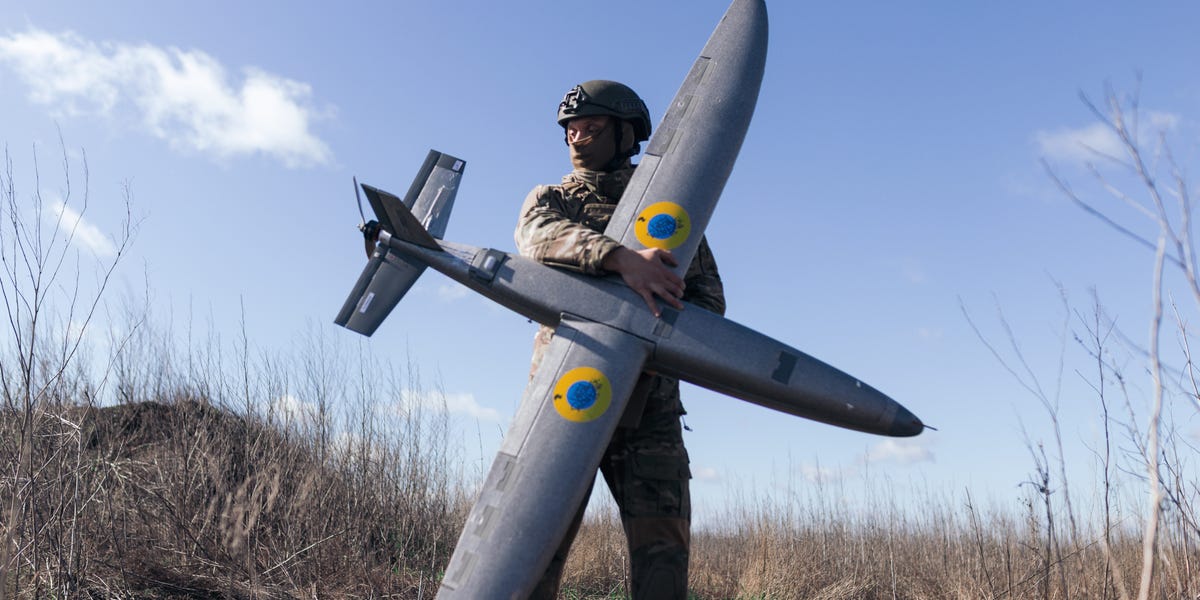
The Paradigm Shift: Decentralized Aerial Warfare
The conflict in Ukraine has established a new doctrine in asymmetric warfare, accelerating mid-range strike drones from experimental testbeds into core tactical assets. This evolution bypasses traditional, slow-moving military industrial complexes in favor of agile, software-defined platforms integrated directly into frontline formations, such as the National Guard. By utilizing a highly diversified network of non-traditional manufacturers, the Ukrainian military aims to outpace adversary defense networks through rapid, iterative deployment.
The Reliability Gap: Engineering vs. Battlefield Attrition
Despite rapid deployment cycles, the chasm between localized assembly and field durability persists. Combat operators, including the specialized Typhoon unit, report systemic telemetric dropouts, sensor-feed failures, and control-surface lockups during missions. This operational instability stems from a lack of standardized Quality Assurance (QA) protocols among fragmented, small-scale defense startups. Consequently, combat units must dedicate scarce operational hours to diagnostic testing and hardware troubleshooting rather than active mission execution.
Sensor-Fused Interceptor Networks
To mitigate hostile unmanned aerial systems (UAS), Ukraine has deployed vehicle-based, mobile interceptor units. Operating from disguised civilian vans, these platforms synthesize acoustic sensors and passive radar telemetry to locate, track, and disrupt hostile reconnaissance and strike assets. By shifting defense mechanisms away from cost-prohibitive air defense missiles toward automated, precision-guided interceptors, these mobile units serve as highly efficient force multipliers capable of securing broad sectors of airspace.
Structural Impacts on Military Procurement
This decentralized model subvierte traditional state-directed defense acquisitions. By fostering a venture-style ecosystem of rapid prototyping, Ukraine has established an agile, market-driven defense network that prioritizes immediate combat utility over long-term standardization. However, maintaining this operational tempo requires solving persistent structural bottlenecks, particularly in securing microelectronic supply chains and managing the systemic fragmentation of hardware and software components across the frontline.