The January 7 Anomaly: Operational Pivot and Peer-Driven Response
The sudden medical emergency involving veteran astronaut Mike Fincke on January 7 marked a significant operational pivot on the International Space Station (ISS). While preparing for a scheduled spacewalk, Fincke experienced a 20-minute loss of speech, triggering an immediate shift from routine maintenance to emergency medical protocols. This incident necessitated the first-ever medical evacuation in the ISS’s history, prioritizing crew safety over mission objectives.
The rapid onset, described by Fincke as occurring without prior pain or warning, highlights the inherent volatility of human physiology in microgravity. Crewmates, observing Fincke’s distress during dinner, bypassed standard communication chains to alert flight surgeons in Houston directly. This rapid escalation underscores the crucial role of peer observation in environments with limited diagnostic tools, especially when the affected individual cannot self-report symptoms.
The subsequent cancellation of the planned spacewalk reflects NASA’s stringent safety margins for high-risk activities. Extravehicular Activities (EVAs) demand peak physical and cognitive performance; any neurological or physiological uncertainty mandates an immediate stand-down. This disruption impacted the station’s maintenance schedule, demonstrating how a single medical event can cascade through pre-planned orbital operations.
Logistical Execution of the SpaceX Emergency Return and Manifest Constraints
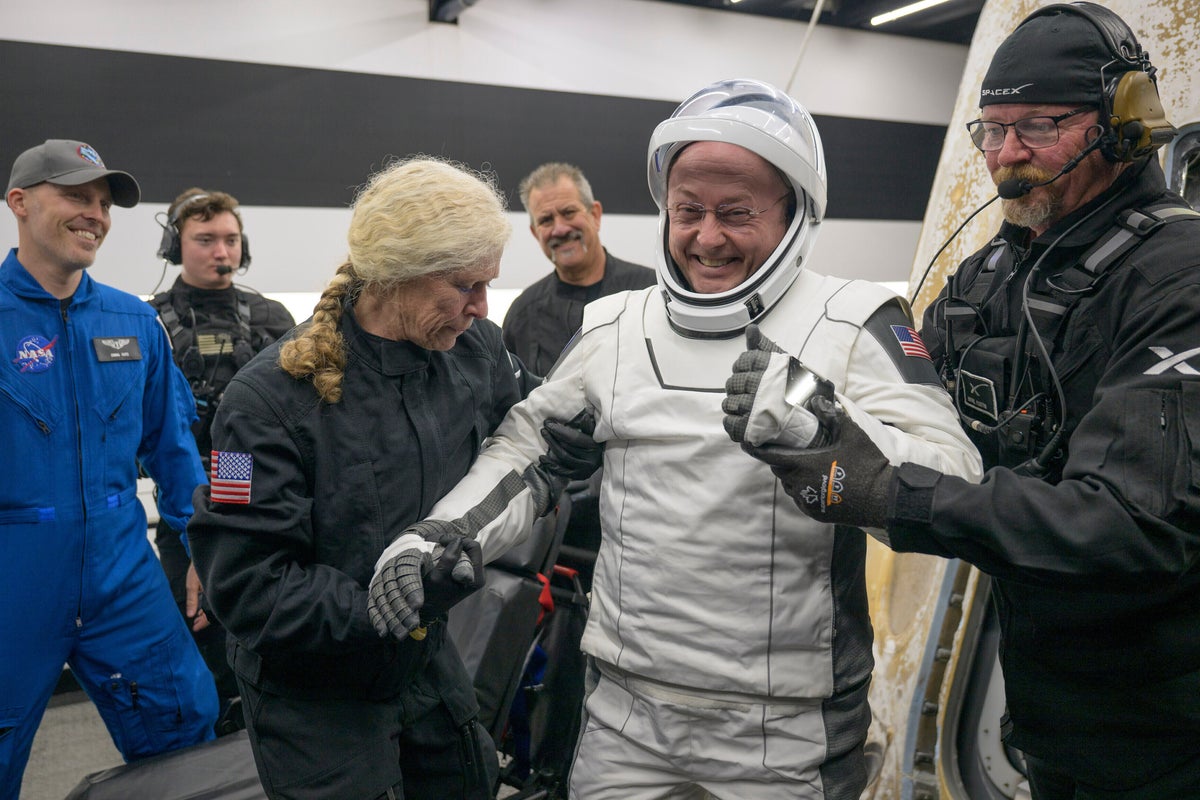
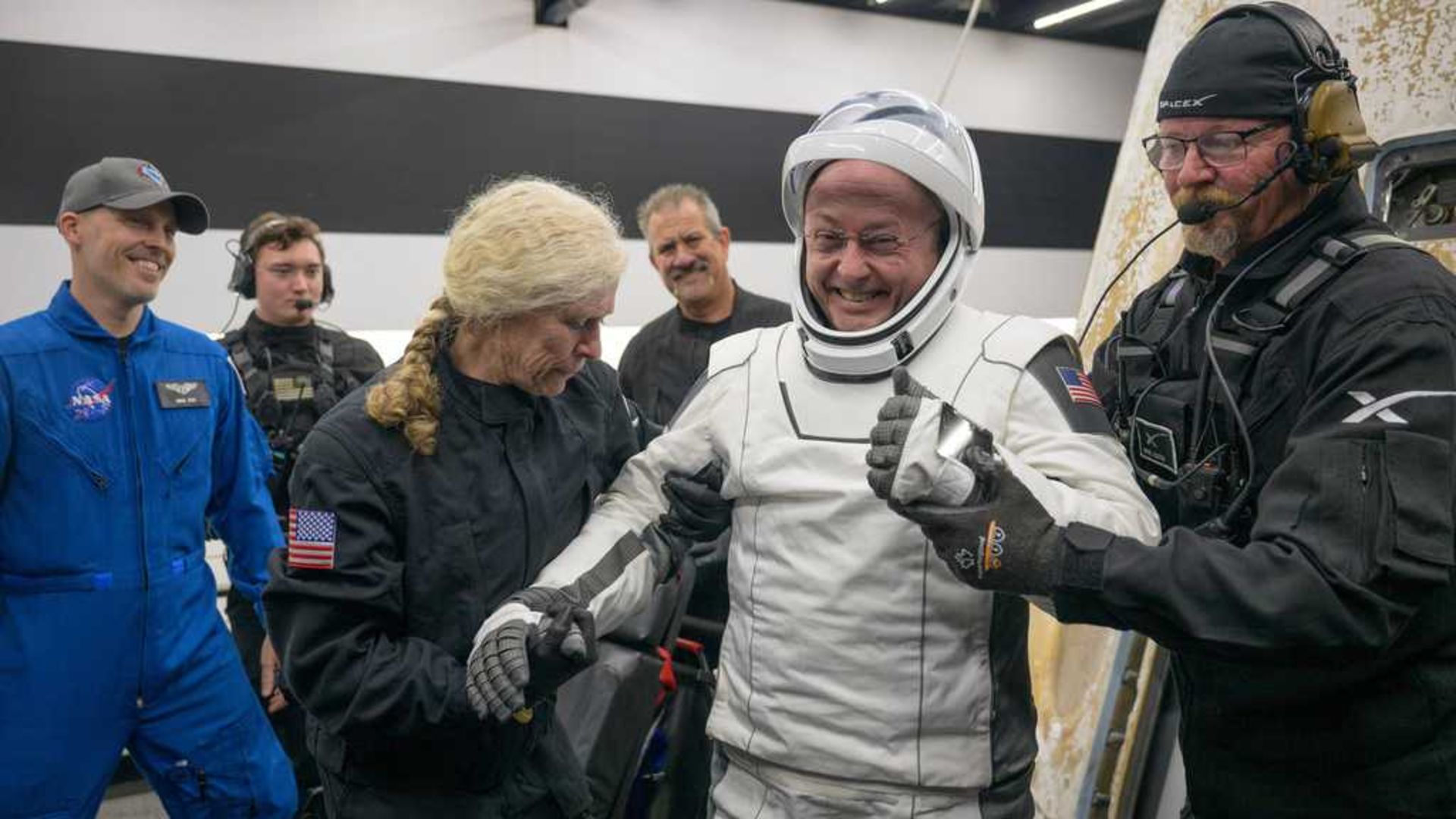
On January 15, eight days post-episode, NASA executed a strategic evacuation via a SpaceX Crew Dragon. This maneuver returned Fincke and three other crewmembers early to facilitate comprehensive terrestrial diagnostics. The use of a commercial partner for an unscheduled medical return validates the flexibility of current commercial crew contracts while exposing the logistical complexity of sudden departures.
The evacuation of four crewmembers for one medical necessity illustrates the integrated nature of modern spaceflight manifests. Due to launch and return cohort structures, a medical contingency for one crewmember often dictates the early return of the entire group. This constraint amplifies the impact of a single health crisis, resulting in a significant loss of scientific productivity and collective man-hours.
The reliance on SpaceX for emergency egress underscores the strategic shift toward commercial integration in Low Earth Orbit (LEO). While the successful execution demonstrates commercial infrastructure’s capability to address urgent medical needs, it also raises questions regarding the financial and contractual implications of mission-shortening events driven by medical contingencies.
Diagnostic Limitations and the Microgravity Variable: Unraveling the Anomaly
Despite exhaustive testing at the Johnson Space Center, the cause of Fincke’s transient aphasia remains unidentified, creating a significant diagnostic challenge. Doctors have ruled out common terrestrial causes, focusing investigation on the systemic effects of long-duration weightlessness. Fincke’s 549 cumulative days of spaceflight offer a unique dataset for analyzing the long-term physiological toll of orbital life.
The episode’s occurrence 5.5 months into his latest stay suggests a potential threshold for physiological stress not always apparent in shorter missions. NASA’s review of other astronauts’ medical records aims to identify similar, potentially under-reported, incidents. This data synthesis is crucial for determining if Fincke’s experience was an isolated anomaly or indicative of a broader, unrecognized risk factor in long-term orbital habitation.
The inability to pinpoint an etiology introduces strategic uncertainty for future mission assignments. Without a clear diagnosis, flight surgeons face challenges in clearing astronauts for subsequent missions, especially those involving high-stress environments like the lunar surface. This case highlights current space medicine limitations, where the lack of advanced, real-time diagnostic imaging and biochemical analysis on the ISS hinders immediate definitive diagnosis.
Strategic Implications for Deep-Space Exploration: Artemis and Beyond
The Fincke incident serves as a critical stress test for the medical assumptions underpinning the Artemis program and future Mars exploration. As NASA prepares for Artemis II, sending four astronauts around the Moon, the reality of deep-space medical emergencies becomes more acute. Unlike the ISS, with its hours-to-Earth return capability, lunar missions involve significantly higher isolation and transit times for emergency care.
The necessity of the first ISS medical evacuation underscores the urgent need for more robust, autonomous medical systems on deep-space vessels. A similar episode during lunar transit would present a catastrophic decision point: continue or abort. Fincke’s case demonstrates that even veteran astronauts with impeccable health records are susceptible to sudden, unexplained physiological failures compromising mission integrity.
This event will likely influence the design of medical suites for the Gateway station and Orion spacecraft, creating impetus to integrate advanced diagnostic tools operable independently of ground-based specialists. The strategic goal shifts from evacuation-based safety to in-situ stabilization and treatment, a prerequisite for any mission beyond LEO.
Institutional Risk Management and the Imperative for Data Transparency
NASA’s decision to review historical medical records signals a shift in institutional risk management. By identifying patterns in past missions, the agency seeks to quantify the “unknown unknowns” of spaceflight-induced neurological or vascular events. This process is vital for the astronaut corps’ long-term viability and ensures cumulative flight time does not lead to unmanaged health risks.
The transparency surrounding Fincke’s condition, while respecting privacy, is essential for the broader scientific and aerospace community. It enables commercial partners and international agencies to adjust their safety protocols and medical screening processes. This collective intelligence is key to mitigating the dangers of an environment for which the human body is not evolutionarily adapted.
Ultimately, the Fincke medical scare reinforces that human biology remains the most volatile component of space exploration. While hardware and software undergo rigorous testing, the human element demands a more adaptive, data-driven approach to safety. Lessons from this evacuation will directly inform medical screening and in-flight monitoring protocols for the next generation of lunar and interplanetary explorers.
Economic and Operational Consequences of Early Mission Termination
The premature end of a mission due to medical necessity carries substantial economic weight, primarily through the loss of planned research and unscheduled recovery operations. Each ISS day is a choreographed sequence of experiments and maintenance tasks funded by diverse entities. Early crew returns compromise the return on investment for specific experiments, delaying scientific advancement and potentially requiring budget reallocations.
Operationally, an early return creates a staffing vacuum that cannot be immediately filled, placing additional strain on remaining crewmembers who must absorb essential duties. Ripple effects extend to the launch manifest, potentially necessitating accelerated or reconfigured subsequent missions to restore full operational capacity.
This incident also highlights the critical importance of crew training redundancy. When a specialist like Fincke is evacuated, his specific skill sets, particularly for cancelled EVAs, are lost until a replacement can be launched. NASA’s ability to manage these disruptions attests to its robust contingency planning, yet the Fincke case demonstrates an increasingly thin margin for error as mission durations extend.
The Physiological Frontier: 500-Plus Days in Space and Cumulative Effects
Fincke’s extensive orbital history, totaling 549 days, places him in an elite group pushing long-duration spaceflight limits. His experience suggests microgravity’s physiological impact may be cumulative or manifest in ways not captured by standard pre-flight screenings. The investigation into his speech loss will likely examine the interplay of fluid shifts, intracranial pressure, and neurological function over extended periods.
The medical community is keen to determine if such episodes relate to Spaceflight Associated Neuro-ocular Syndrome (SANS) or other known conditions affecting the brain and eyes in orbit. If a link is established between cumulative space time and sudden neurological events, NASA might implement stricter limits on total career flight time. This would significantly impact the agency’s ability to leverage its most experienced astronauts for complex future missions.
As the industry progresses toward multi-year Mars missions, understanding the long-term biological cost of spaceflight transitions from a theoretical exercise to an urgent necessity. The Fincke case provides a rare, critical data point defining safety parameters for the next century of human space presence. The mystery of his sudden silence is a stark reminder that the frontier of space exploration is as much about the human body’s internal workings as it is about the cosmos’ vastness.