Corridor Disruption and HazMat Hazards on Interstate 81
A fatal multi-vehicle collision on Interstate 81 in Frederick County, Virginia, has underscored critical systemic vulnerabilities in highway infrastructure, hazardous material logistics, and tactical emergency management. The catastrophic incident claimed two lives and shuttered a primary logistical corridor on the Eastern Seaboard, spotlighting the outsized operational fallout that occurs when regional freight traffic converges with industrial payloads.
Collision Mechanics and Crossover Impact
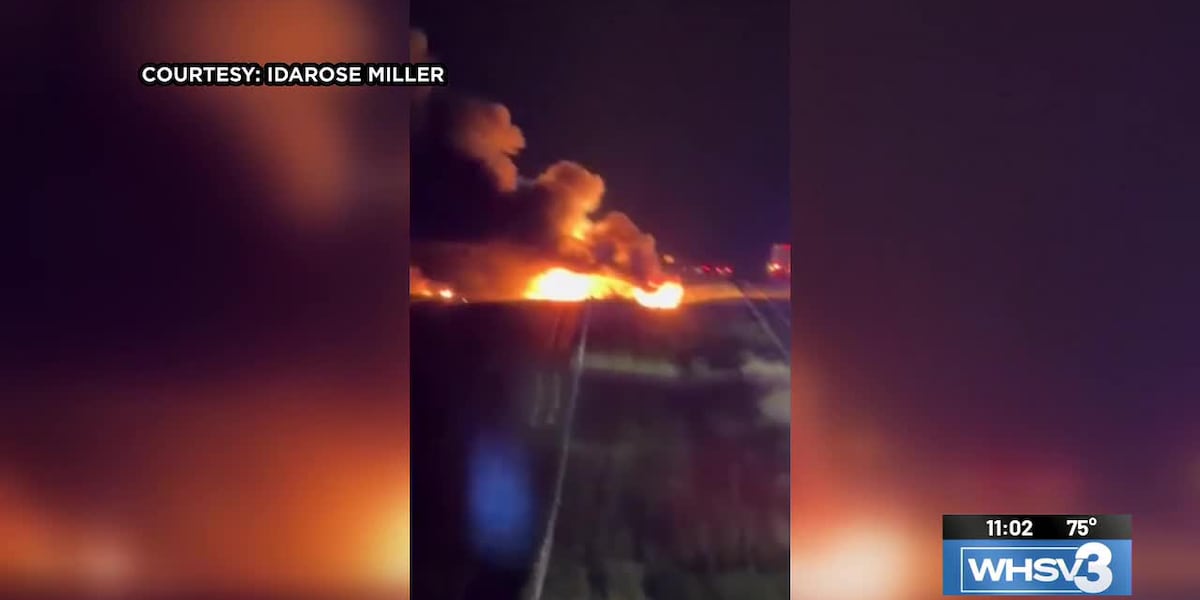
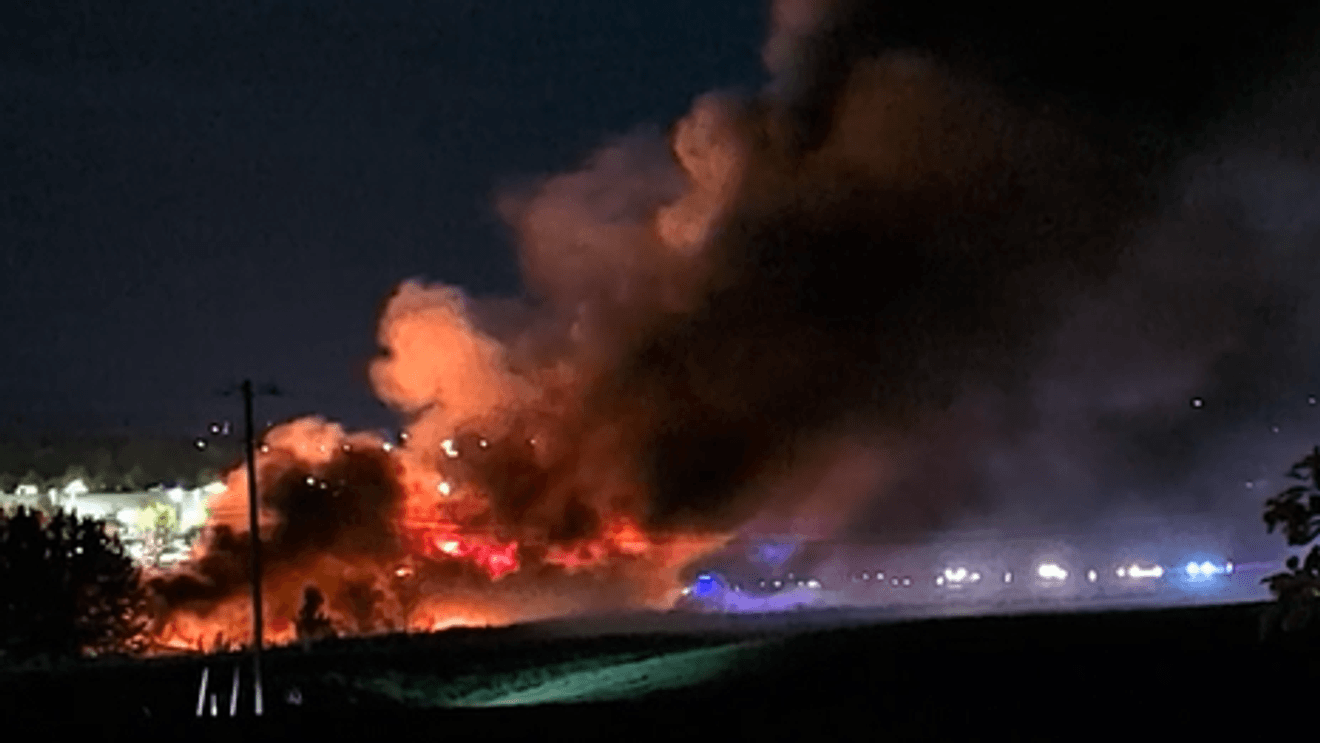
The sequence of events commenced when a passenger car failed to yield while merging into southbound traffic on I-81. A southbound semi-trailer truck struck the passenger vehicle, lost directional control, traversed the highway median, and collided with a northbound semi-trailer truck transporting pressurized oxygen cylinders.
The secondary impact triggered a rapid ignition sequence and catastrophic tank ruptures. The resulting blast and fire compromised emergency operations, visibly damaged responding Frederick County Sheriff’s Office vehicles, and necessitated extensive deployment of Virginia State Police and local emergency crews. While driver failure initiated the crash, the severity was amplified by the median crossover and subsequent detonation of compressed oxidizers.
Freight Corridor Vulnerability and Logistical Friction
Interstate 81 functions as a major north-south commercial artery, supporting heavy freight densities and just-in-time delivery models across multiple industries. The corridor’s complete disruption demonstrates how isolated logistical bottlenecks generate severe regional supply chain friction:
- Capacity Shocks: The immediate corridor closure forced commercial carriers onto secondary arterial networks, compounding regional congestion, transit delays, and fuel burn.
- Specialized Payload Vulnerabilities: Industrial and medical oxygen shipments operate within rigid delivery parameters. Loss of rolling assets and localized supply inventory impacts downstream industrial operations and healthcare supply chains.
- Contingency Limitations: The incident exposed the limited rerouting capacity along key Appalachian transit routes, where alternative infrastructure rarely matches interstate throughput.
First-Responder Tactical Risks and HazMat Protocols
The presence of Class 2 oxidizers introduced volatile kinetic and thermal hazards to the collision zone. The concussive blast that damaged emergency response vehicles highlights the severe exposure encountered by first responders during compressed gas incidents.
Tactical protocols in such incidents demand establishing expansive perimeter isolations to account for shrapnel projection and secondary rupture hazards. While vital for personnel preservation, these safety distances necessarily retard initial firefighting access and extrication workflows. The event signals a need to re-evaluate structural standoff protocols and vehicle blast mitigation during rapid-escalation HazMat operations.
Regulatory Exposure and Structural Defenses
With law enforcement pursuing charges against the driver of the merging vehicle, proximate legal liability is concentrated on operational error. However, the systemic consequences extend to broader regulatory and structural domains:
- FMCSA and HazMat Compliance: Regulatory scrutiny will evaluate carrier containment integrity, payload placarding, and route-selection protocols under Federal Motor Carrier Safety Administration (FMCSA) and Pipeline and Hazardous Materials Safety Administration (PHMSA) rules.
- Median Barrier Deficiencies: The truck’s penetration into opposing traffic lines accentuates ongoing policy debates regarding the adequacy of existing median barriers against heavy-vehicle cross-median trajectories.
- Financial and Insurability Pressures: Compounding property loss, hazardous payload destruction, and protracted highway gridlock will likely accelerate upward pressure on commercial carrier underwriting and liability premiums across the HazMat sector.