Milwaukee Brewers Clinch Playoff Berth: Dominance and Strategic Advantage
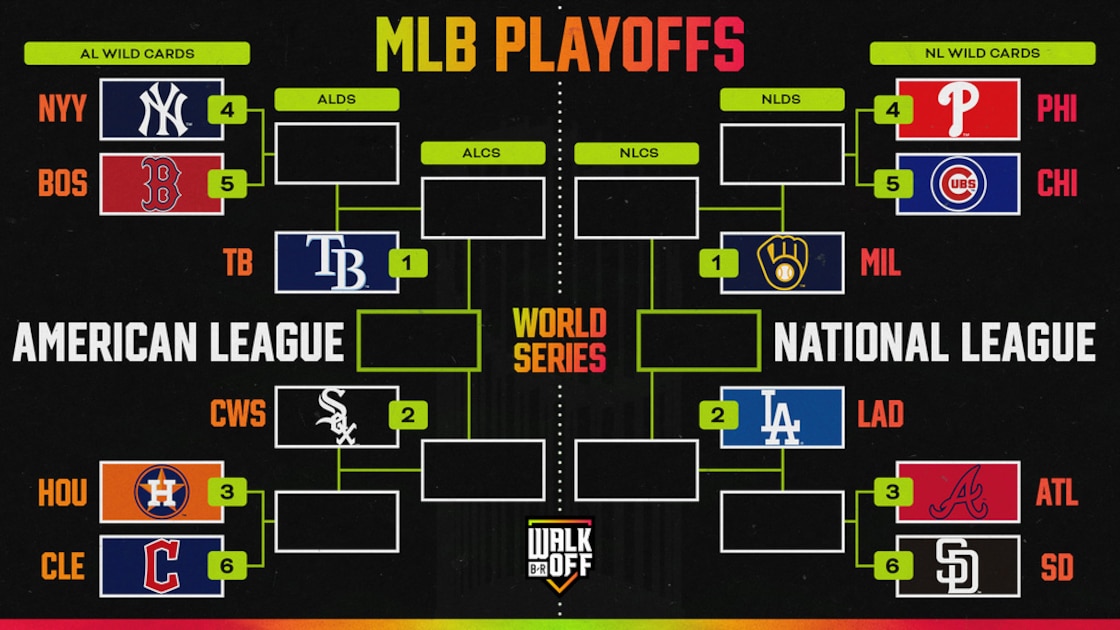
The Milwaukee Brewers formally secured their eighth postseason berth in nine seasons with an emphatic 20-0 victory over the Cincinnati Reds. This decisive win improved Milwaukee’s record to an MLB-best 92-56, solidifying a ten-game lead over the second-place Chicago Cubs in the National League Central. The clinching performance, following a pivotal series sweep against the Cubs, underscores Milwaukee’s sustained operational dominance and status as three-time reigning division champions.
This contemporary era marks a profound structural evolution for the franchise, which previously endured a twenty-six-year absence from postseason baseball. The consistent competitive stability achieved reflects refined roster maintenance, strategic talent development, and a culture of sustained execution across all tiers. This ten-game cushion over Chicago not only highlights a systemic gap within the division but also provides the front office and coaching staff with critical latitude to prioritize structural refinement and workload calibration over reactive, high-leverage desperation as October approaches.
Optimizing the Postseason Pitching Rotation: The May & Harrison Imperative
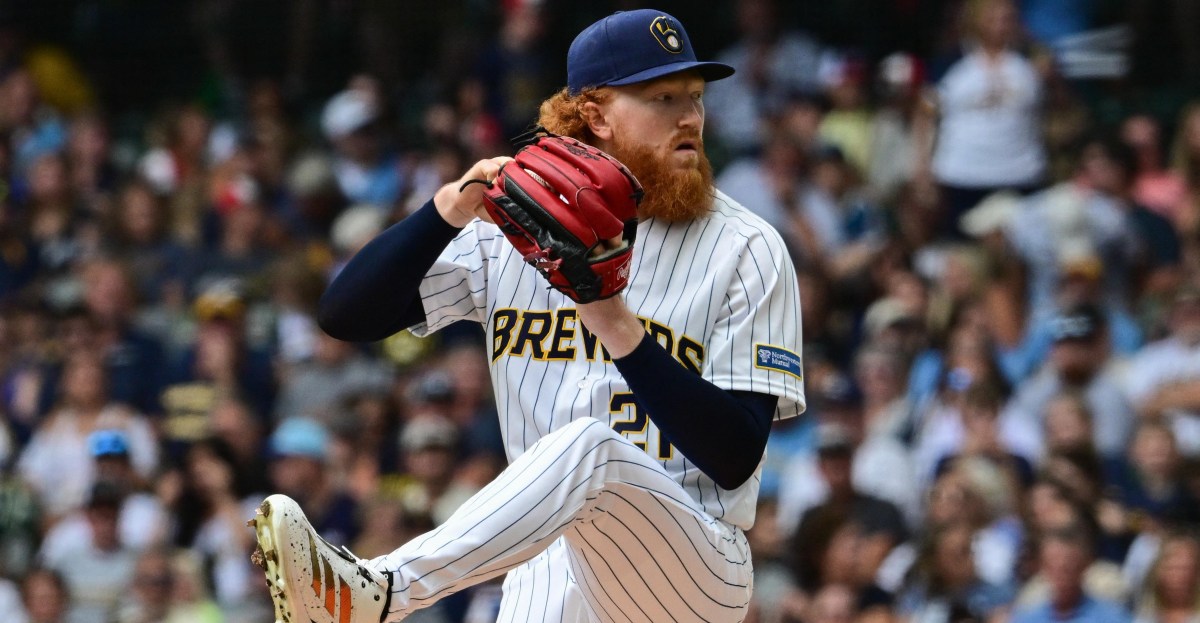
Despite the team’s commanding performance, significant internal evaluations persist regarding the optimal structure of the postseason pitching rotation. The Brewers’ strategic focus centers on clarifying specific rotation spots, currently open to competition among high-potential arms. Dustin May and Kyle Harrison represent the central variables in this critical assessment as the regular season concludes.
Dustin May, making his seventh start of the campaign against Cincinnati, had a crucial opportunity to establish leverage for an October assignment. Consistent late-season performance from either May or Harrison is imperative for providing coaching personnel with definitive clarity regarding rotation tiers, potential multi-inning relief roles, and overall bullpen management. Failure to establish definitive form before the postseason will necessitate organizational adjustments, potentially shifting reliance toward increased bullpen volume rather than traditional starter durability. Given that short series amplify pitching volatility, the organizational leverage gained from high-performing starting pitching directly dictates bullpen deployment strategies, allowing relief capital to be utilized strategically rather than as an emergency mitigation tool.
Strategic Flexibility: Milwaukee’s Edge in the Competitive MLB Landscape
Milwaukee’s ten-game divisional advantage grants the club unique tactical elasticity during late September, contrasting sharply with the intense, resource-depleting battles across other MLB divisions. In the American League East, the Tampa Bay Rays (88-59) maintain a precarious three-game lead over the New York Yankees (85-62). Similarly, the American League Central features a tight bottleneck with the Chicago White Sox (75-71) just 1.5 games ahead of the Cleveland Guardians (74-73).
The American League West also presents minimal margin for error, with the Houston Astros (75-73) holding a narrow 2.5-game edge over the Texas Rangers (72-75). These tightly contested divisional structures compel contending teams to deploy optimal roster capital daily, inhibiting the forward-looking rest and evaluation strategies currently available to Milwaukee. Operating with a secure playoff berth allows the Brewers’ managerial staff to structure starts and calibrate workloads specifically to address performance deficits and maximize physical readiness, pivoting from routine victory accumulation to diagnostic evaluation under major league conditions.
From Regular Season Rout to October Readiness: Final Adjustments
The disparity between a dominant 20-0 offensive output against a 69-77 Cincinnati roster and the high-leverage matchups of postseason baseball underscores the necessity of pitching predictability. Postseason baseball consistently compresses run differentials, placing outsized pressure on run prevention models and situational outs. Consequently, rotation depth remains the single most impactful variable determining whether regular season efficiency translates into sustained postseason series progression.
Milwaukee’s decisive clinching outcome establishes a clear baseline for their postseason entry profile. With division control secured and an MLB-best winning percentage established, institutional focus pivots entirely to optimizing the twenty-six-man postseason configuration. The comprehensive resolution of internal rotation battles will ultimately define the durability, strategic flexibility, and championship ceiling of Milwaukee’s operational campaign.