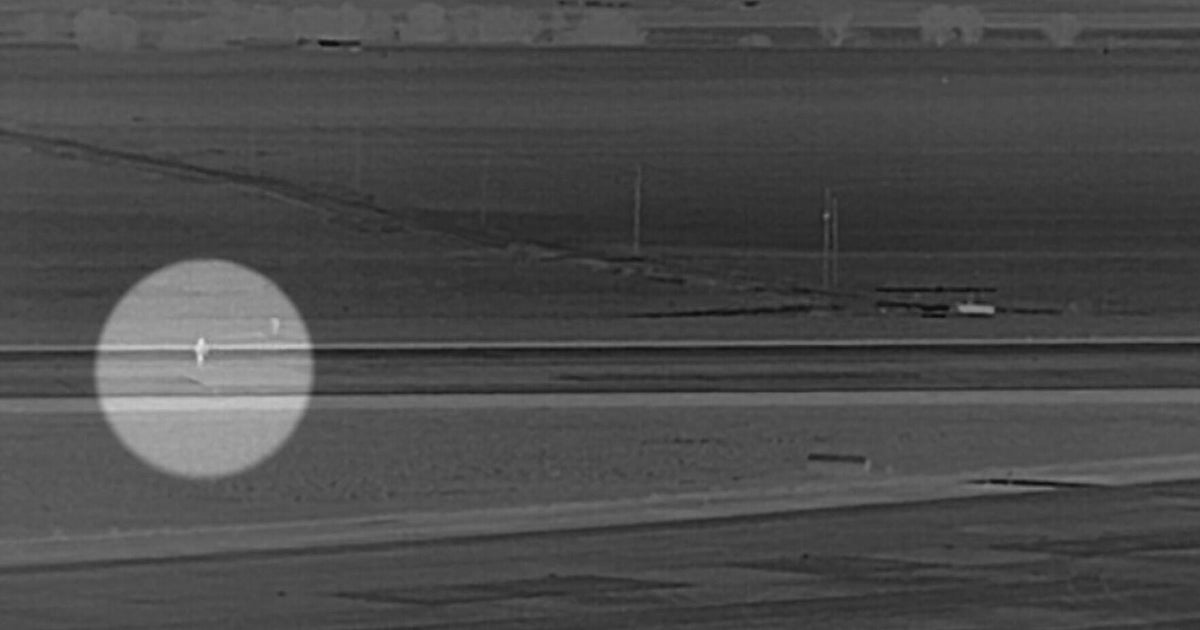
The fatal collision between Frontier Airlines Flight 4345 and a pedestrian at Denver International Airport (DIA) represents a significant breach of sterile area integrity. Occurring during a high-energy takeoff roll at approximately 11:19 p.m., this incident necessitates a critical review of the physical and electronic barriers mandated for FAA Part 139 certified airfields. The unauthorized transit from a perimeter fence to an active runway suggests a failure in real-time detection and rapid-response capabilities during a high-risk operational window.
NTSB Jurisdictional Thresholds and 49 CFR Part 830
The National Transportation Safety Board (NTSB) has not formally launched a full investigation, a decision governed by the legal definitions found in 49 CFR Part 830. Under these federal regulations, NTSB involvement is triggered by ‘substantial damage’ to the aircraft or ‘serious injury’ to occupants. A serious injury is defined by specific metrics: hospitalization exceeding 48 hours, major bone fractures, or internal organ damage. Consequently, the trauma experienced by passengers during the emergency evacuation may not trigger a federal probe unless medical outcomes meet these stringent statutory criteria.
Institutional Liability and Security Governance
Strategic implications for DIA are compounded by assertions from a retired Denver police officer regarding long-standing perimeter vulnerabilities. This shift in narrative transforms an isolated security breach into a potential systemic failure in risk management. For Frontier Airlines, the incident introduces complex operational exposure. While the strike was non-mechanical, the subsequent emergency evacuation on an active runway involves a calculated risk assessment of fire hazards and structural integrity that will face intense scrutiny from insurers and regulators.
Technological Imperatives in Perimeter Defense
The incident underscores the limitations of passive physical fencing when not augmented by integrated motion sensors, thermal imaging, or automated surveillance. The aviation industry is increasingly pivoting toward ‘ground-to-air’ incursion prevention, which, while statistically rarer than vehicle incursions, presents higher unpredictability. This event serves as a catalyst for major hubs to audit security infrastructure, moving from reactive barriers to proactive, sensor-driven detection systems to maintain passenger confidence and operational safety.