
Distribution Network Vulnerability and Grid Hardening
The recent atmospheric disturbance across South Central Texas, characterized by 70 mph straight-line winds, serves as a critical diagnostic of regional electrical distribution architecture. These velocities frequently exceed the operational tolerances of legacy utility assets, necessitating a shift from routine maintenance to emergency capital expenditure. The intersection of high-velocity gusts and urban forestry represents a systemic failure point; vegetation-induced circuit interruptions directly degrade grid uptime and localized economic output. Effective mitigation requires an accelerated transition toward grid hardening and undergrounding in high-density Austin-San Antonio corridors.
Economic Exposure: Kinetic Energy and Insurance Loss Ratios
The occurrence of golf-ball-sized hail introduces significant volatility into regional insurance and automotive sectors. Hail of this magnitude possesses the kinetic energy required to penetrate residential roofing membranes and cause immediate inventory devaluation in the automotive retail sector. For the insurance industry, these events trigger a compression of loss ratios, necessitating recalibrations of regional premium structures. The concentration of damage within the high-growth I-35 corridor amplifies the total capital required for property remediation, highlighting the need for more resilient building materials in storm-prone zones.
Urban Hydrology and Logistical Bottlenecks
Localized precipitation rates during the Level 3 event briefly overwhelmed municipal drainage systems, exposing the limitations of current urban hydrological management. Street flooding in low-lying intersections acts as a significant logistical bottleneck, disrupting the I-35 trade artery. For logistics stakeholders, these disruptions generate cumulative delays in North American supply chain schedules. These events provide essential empirical data for prioritizing future municipal bond allocations toward flood mitigation and smart-city sensor integration for real-time traffic redirection.
Institutional Risk Management and Temporal Variables
The Storm Prediction Center’s Level 3 designation mandated a synchronized institutional response, involving the pre-positioning of emergency assets and the activation of multi-channel public warning systems. The temporal alignment of the storm complex with Mother’s Day evening heightened the risk profile, as elevated holiday transit volumes increased public exposure to hazardous road conditions. The hospitality sector faced immediate operational disruptions, where risk-aversion strategies—such as early closures—were prioritized over short-term revenue to ensure staff and patron safety. The subsequent stabilization of the atmospheric environment allows for a rapid pivot toward structural recovery and debris management.
Systemic Recovery and Long-term Asset Protection
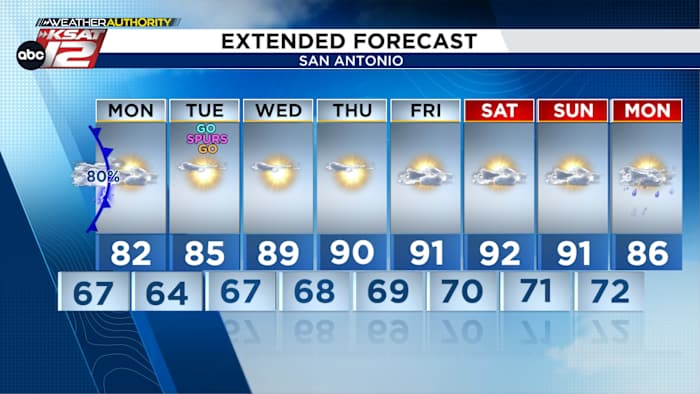
The transition to a stable, post-frontal air mass facilitates the restoration of the regional labor force and the completion of utility repairs. While heavy rainfall offers temporary relief to the Hill Country’s hydrological deficit, the trade-off involves topsoil erosion and agricultural loss. Long-term municipal planning must now account for the increased frequency of high-intensity straight-line wind events, which often impose broader damage footprints than localized tornadic activity. This requires a re-evaluation of building codes and municipal maintenance budgets to sustain the region’s canopy while protecting critical infrastructure assets.

Photo by rperucho on Pixabay.