The confirmed February 2027 premiere of The One Piece on Netflix represents a sophisticated structural realignment of Eiichiro Oda’s intellectual property. Produced by Studio Wit, the project transcends a standard visual remaster, functioning instead as a high-density narrative overhaul designed to remediate the pacing inefficiencies inherent in long-running shonen adaptations. By distilling approximately 50 chapters of the East Blue saga into a singular seven-episode season, the production signals a pivot toward the ‘prestige television’ model, favoring cinematic impact over episodic volume.
Pacing Optimization and Format Evolution
This adaptation strategy allocates approximately 300 minutes of runtime to the initial arc, culminating in the Baratie encounter. This suggests an average episode duration of 43 minutes—a departure from the traditional 22-minute broadcast slot. This transition enables a more coherent narrative flow, stripping away the ‘padding’ necessitated by the weekly production cycles of the original Toei Animation series. For stakeholders, this condensed format mitigates the ‘barrier to entry’ fatigue often cited by potential viewers intimidated by the franchise’s legacy episode count.
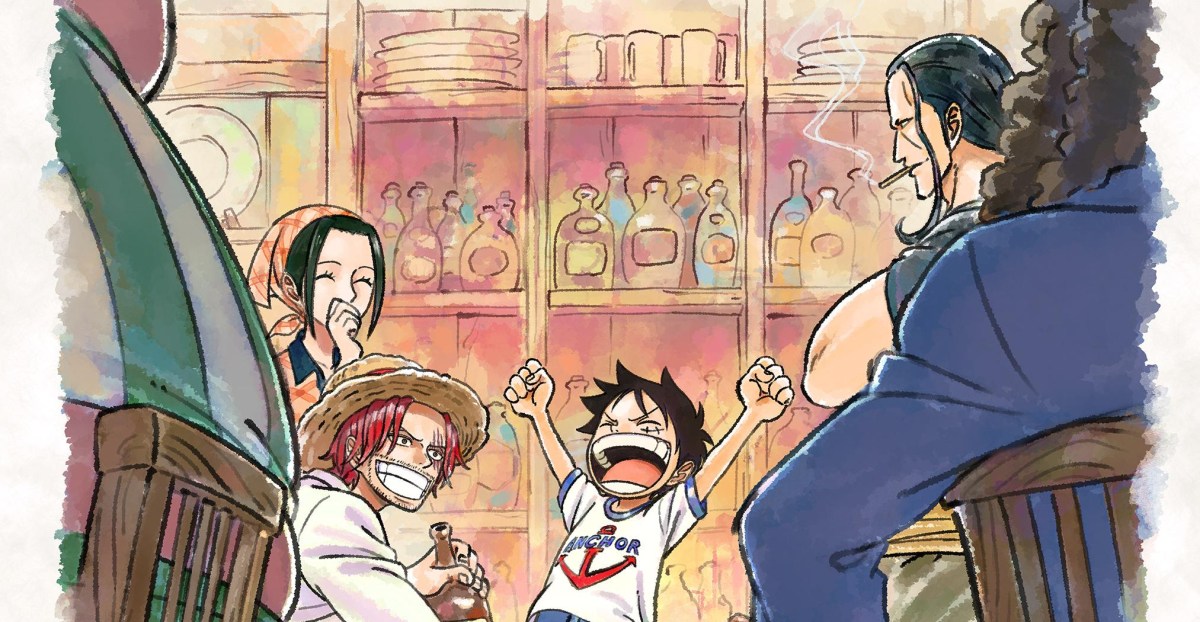
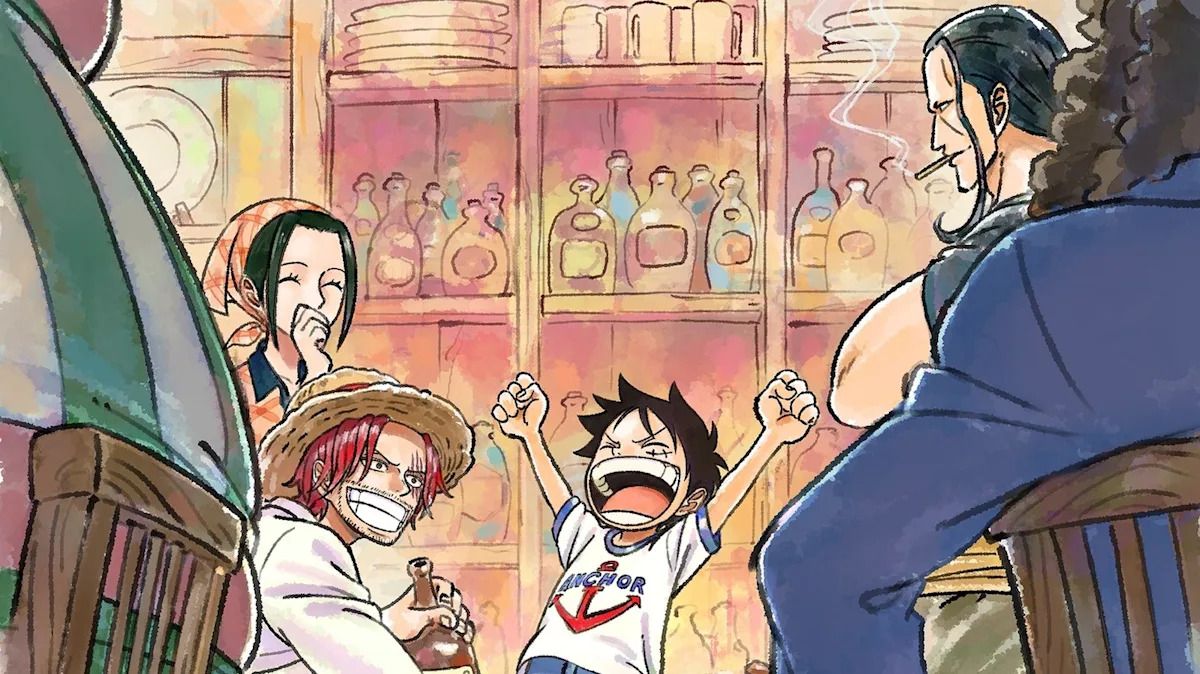
Studio Wit’s involvement introduces a technical philosophy centered on environmental storytelling and high-fidelity aesthetics. Preliminary concept art of Windmill Village indicates a focus on atmospheric depth and lighting at Party’s Bar, suggesting that the remake will prioritize emotional resonance and character-driven stakes. This visual direction attempts to capture the gravitas of Luffy’s formative relationship with the Red-Hair Pirates through a lens of cinematic realism rather than just kinetic action.
Institutional Synergy and Market Consolidation
Netflix’s dual role as financier and distributor underscores a broader effort to vertically integrate high-value Japanese IP within its global ecosystem. By offering both a live-action adaptation and a modernized animated remake, Netflix creates a closed-loop entry point for diverse demographics. This strategy effectively captures the full lifecycle of fan engagement, reducing platform churn and consolidating the brand’s presence across different media formats. The February 2027 launch window implies an intensive resource allocation, treating the production with the technical rigor of a feature film series rather than a standard television seasonal.
Industry Implications and Creative Risk
The decision to focus exclusively on the foundational East Blue chapters—highlighting the ‘unexpected kindness’ of the Red-Hair Pirates—serves as a calculated brand re-establishment. This thematic focus, represented through the nuanced characterization of Shanks and Benn Beckman, suggests a move toward psychological depth over the simplified tropes of early-era adventure series. The success of this 7-episode ‘prestige’ model may prompt a wider industry shift, encouraging investors to pivot from funding endless episodic content toward concentrated, high-quality blocks that yield higher engagement metrics.
However, the compression of several distinct sub-arcs into a 300-minute window presents significant editorial challenges. Maintaining the sense of scale and world-building while executing rapid transitions between Windmill Village and the Baratie requires sophisticated narrative economy. Ultimately, The One Piece serves as a test case for whether legacy shonen can be successfully repackaged as a streamlined, high-impact product without losing the adventurous spirit that defined the original work.