Atmospheric Mechanics and Systemic Volatility
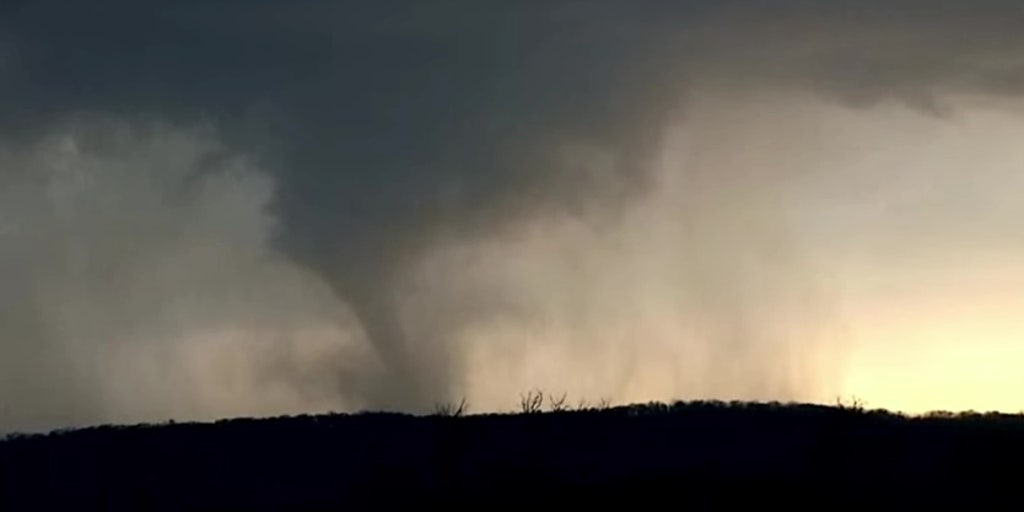
The emergence of a 1,500-mile atmospheric corridor across the Central United States signifies a profound escalation in regional risk profiles. Driven by a persistent meridional dip in the jet stream, this ‘conveyor belt’ mechanism facilitates the rapid transport of low-pressure systems from the Northwest into moisture-rich central environments. The resulting NOAA Storm Prediction Center Level 3 designation acts as a critical operational trigger for stakeholders, signaling a high probability of concentrated severe convective events—including hurricane-force winds and significant hail—that threaten the continuity of energy grids and national supply chains.
For the 700-mile core corridor stretching from Oklahoma City to Wisconsin, the risk is not merely meteorological but logistical. The inclusion of the Chicago metropolitan hub within this high-intensity zone introduces cascading economic vulnerabilities. As a nexus for air, rail, and ground freight, any disruption in Chicago triggers systemic friction across the broader North American trade network, forcing strategic decision-makers to weigh the high costs of preemptive shutdowns against the potential for catastrophic asset loss.
Hydrological Saturation and Design Thresholds
This severe weather sequence is compounding an existing hydrological crisis: the Midwest’s wettest spring on record. Subsurface soils have reached total saturation, effectively eliminating their natural buffering capacity and converting precipitation directly into immediate surface runoff. This lack of lag time places immense pressure on drainage systems and flood control structures, many of which were engineered for historical precipitation patterns that no longer reflect contemporary volatility.
In Michigan and Wisconsin, the convergence of water-logged terrain and melting snowpack has rendered the environment incapable of containing even moderate rainfall. The Muskegon River’s ascent to record levels exemplifies this systemic strain. As floodwaters surpass major thresholds in over 20 locations, the limitations of aging infrastructure become evident. The transition from routine water management to emergency crisis intervention—characterized by mandatory evacuations and high-risk water rescues—highlights a growing gap between historical design standards and modern climatic realities.
Economic Exposure and Institutional Resilience
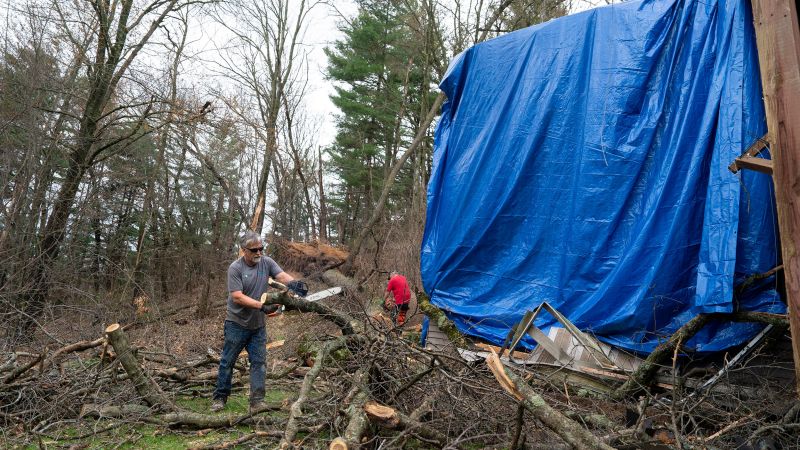
The human and economic toll of this weather pattern is significant. Fatalities from secondary hazards, such as the lightning strike in Waukesha, Wisconsin, underscore the necessity of robust institutional safety protocols that extend beyond tornado warnings. Furthermore, the repetitive nature of these storms—striking regions like Texas, Kansas, and the Midwest in rapid succession—exhausts municipal budgets and degrades the operational depth of emergency management agencies.
From an industrial perspective, hurricane-force gusts and ‘monster’ hail present severe risks to the renewable energy sector and overhead transmission infrastructure. Utilities must navigate the financial burden of prepositioning repair crews while managing widespread outages. Simultaneously, rising river levels create long-term bottlenecks for river-based commerce, diverting heavy cargo to already-strained rail and trucking networks. Strengthening systemic resilience will require a multi-year recovery effort and a fundamental reassessment of capital investments to harden infrastructure against recurring high-volume hydrological events.