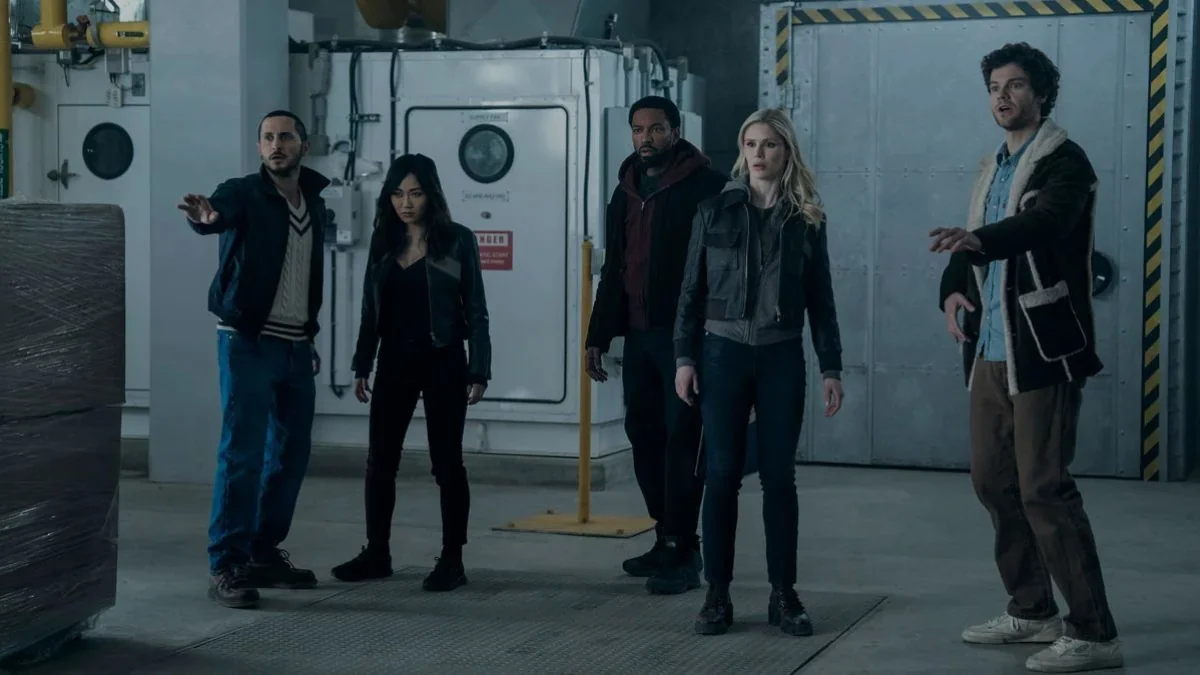
The concluding chapter of Amazon Prime Video’s The Boys represents a high-stakes stress test for modern franchise management. The series currently navigates a zero-sum conflict between providing a definitive resolution to a flagship IP and the institutional imperative to pivot viewers toward the burgeoning Vought Rising prequel. This tension manifests as a dilution of the primary narrative arc, where character development is frequently sidelined to accommodate the structural requirements of corporate synergy.
The Opportunity Cost of Synergetic Erosion
Integrating Vought Rising into the final season’s architecture introduces a significant opportunity cost regarding narrative momentum. By reallocating screen time to establish the historical foundations of the Seven, the production risks decelerating the endgame’s velocity. Amazon’s strategy treats the existing audience as a transferable asset, attempting to migrate brand loyalty from a standalone story to an interconnected ecosystem. However, this shift risks alienating a viewership that invested five seasons into a specific resolution, only to find the focus shifting toward a secondary product.
Public dissatisfaction, often directed at lead actor Antony Starr, serves as a proxy for a deeper structural critique: the perception that narrative integrity is being compromised for long-term capital retention. In a saturated streaming market, the high cost of customer acquisition drives platforms to embed spin-off DNA directly into their most successful properties. Yet, if the primary story feels like a promotional vehicle, the resulting brand erosion may undermine the very franchise it intends to build.
Institutional Capture: The Homelander Hegemony
Narratively, the elevation of Homelander to a state-level autocrat transforms the series from a corporate satire into a study of systemic institutional capture. This shift necessitates a strategic complexity that exceeds traditional vigilante tropes. By centralizing absolute power within a single antagonist, the show creates a narrative bottleneck. Every detour into prequel-adjacent world-building is viewed by the audience as a friction point, delaying the inevitable confrontation between the Butcher and the Homelander presidency.
Jensen Ackles’ Soldier Boy functions as a critical operational variable in this dynamic. As a bridge between the Vought legacy and the current crisis, he acts as a ‘pressure valve,’ providing the high-impact engagement necessary to sustain interest during slower structural transitions. His presence is a calculated asset, used to mitigate the risks associated with the season’s dual mandate of closure and expansion.
Operational Failures: Algorithmic Spoiler Leaks
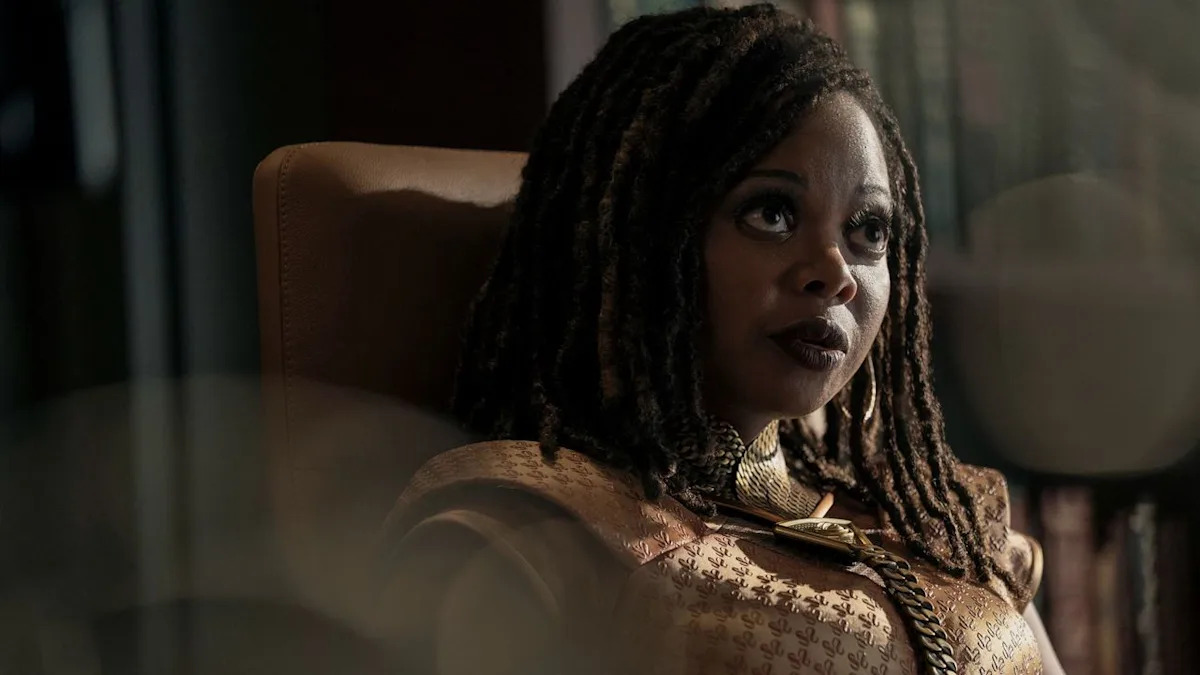
A significant disconnect in Amazon’s digital supply chain was recently exposed when the Prime Video homepage inadvertently leaked a major plot development. The inclusion of a TV spot featuring Sister Sage alongside Billy Butcher suggests a fundamental realignment of the show’s power dynamics. For a production that leverages ‘shock value’ as a core market differentiator, this operational failure represents a substantial loss of intellectual property value.
In the ‘surprise economy’ of modern streaming, the platform’s inability to synchronize marketing assets with content delivery creates a systemic vulnerability. The potential alliance between Sage—the show’s primary strategist—and the protagonists represents a massive transfer of intellectual capital within the narrative. When such a pivot is revealed through a technical oversight rather than a climactic payoff, it diminishes the impact of the final season’s strategic stakes.
Fan Sentiment as a Diagnostic of Structural Health
The vocal backlash regarding episode pacing and the perceived focus on Vought Rising serves as a real-time diagnostic of the show’s structural health. The transition from a binge-watch model to a weekly Wednesday release amplifies this scrutiny; every narrative detour is analyzed for seven days, making ‘filler’ content harder to justify. Amazon’s gamble is that the brand’s cynical, high-concept identity can withstand narrative dilution in exchange for a robust, multi-year pipeline.
Ultimately, The Boys Season 5 is a vehicle for capital movement within the Amazon MGM Studios ecosystem. The goal is the conversion of a finite audience into a sustainable consumer base for a suite of spin-offs. Whether this season provides a satisfying conclusion or serves merely as a marketing bridge will determine if Amazon has created a durable franchise or a cautionary tale about the perils of prioritizing corporate synergy over narrative finality.