The Intersection of Professional Athletics and Public Image
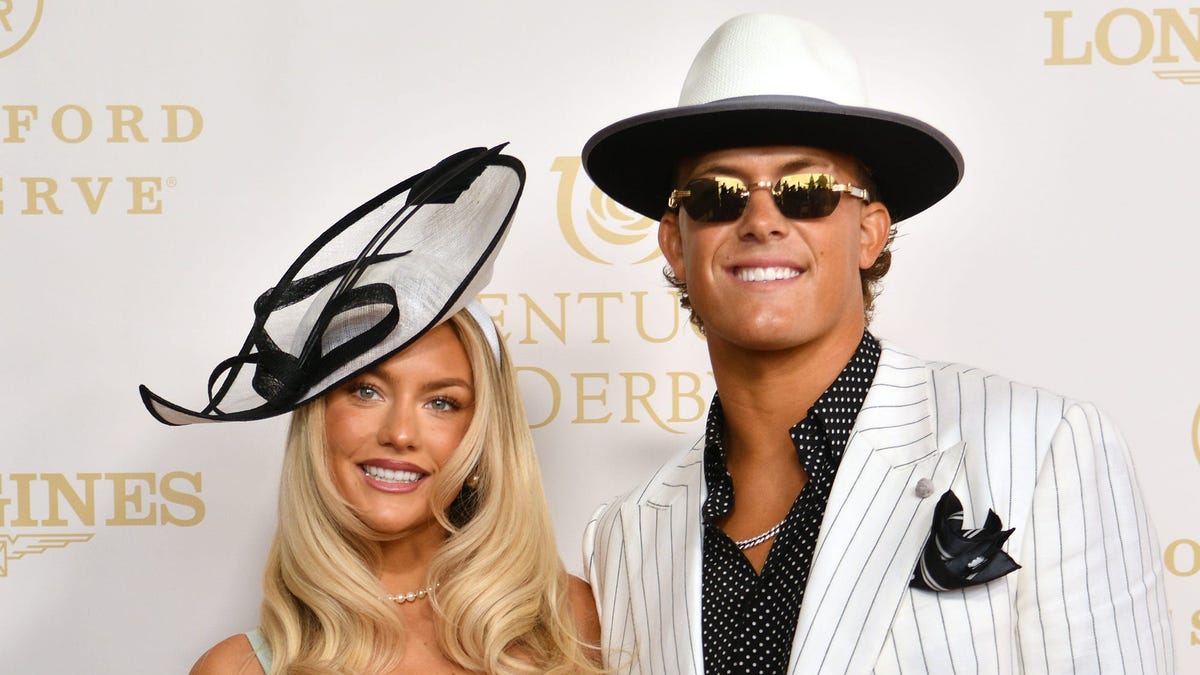
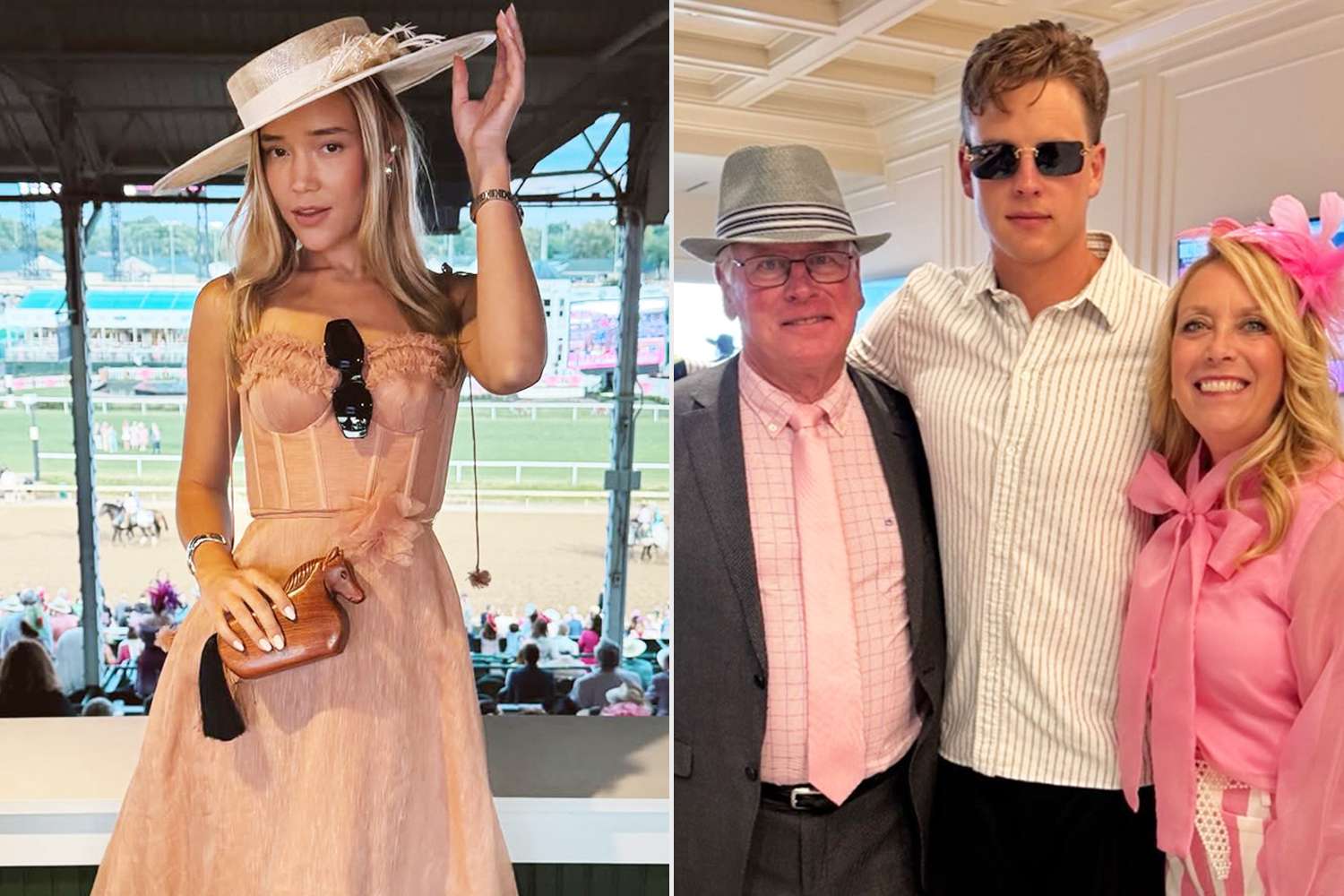
The 152nd Kentucky Derby functioned as a high-visibility intersection for professional sports and influencer culture. The attendance of Cincinnati Bengals quarterback Joe Burrow, alongside influencer Olivia Ponton, underscores the deepening integration of NFL personnel into broader luxury lifestyle ecosystems. This convergence highlights a widening friction between institutional expectations and the evolving, autonomous branding strategies of modern professional athletes.
Sartorial Deviance vs. Legacy Norms
The Kentucky Derby has long enforced a rigorous, albeit informal, dress code favoring heritage high-fashion. Men are historically expected to wear tailored suits with classic patterns, while women’s millinery remains a pillar of the aesthetic landscape. Burrow’s selection of a light pink suit paired with a gray T-shirt and a maroon fedora challenged these norms. While technically compliant, the ensemble was categorized by traditionalists as underdressed, serving as a signifier of a broader shift in how athletes navigate events that demand visual conformity.
The Strategic Evolution of Athlete Branding
As athletes increasingly function as multi-platform media entities, their fashion choices reflect a calculated pivot toward relatability rather than deference to legacy-driven standards. Burrow’s approach indicates that the traditional ‘fashion icon’ status is being re-evaluated; for this demographic, authentic brand power is derived from individualistic expression rather than adherence to archaic event requirements. This collective trend among NFL players suggests a growing movement toward a relaxed professional aesthetic that disrupts the Kentucky Derby’s historic role as a site of elite sartorial performance.
Institutional Implications and Media Discourse
The media scrutiny surrounding this transition reflects the high stakes of athlete visibility in the digital age. By opting for a curated but casual public presence, athletes are successfully controlling their narratives while simultaneously testing the cultural cachet of legacy institutions. This development necessitates an industry-wide re-examination of how event organizers maintain prestige in an era where celebrity participants hold greater influence than the venues themselves.
Socio-Economic Drivers of Change
The normalization of casual attire at high-status events is symptomatic of a blurring distinction between professional and leisure dress. For the NFL, this evolution provides a dual-faceted reality: it fosters greater accessibility for a younger fan base while risking alienation of traditionalist stakeholders. The 2026 Derby confirms that the power dynamic between institutional legacy and modern sports-entertainment branding is increasingly favoring the latter.