Strait of Hormuz Transit Resumes Under Military Escort Amid Escalating Tensions
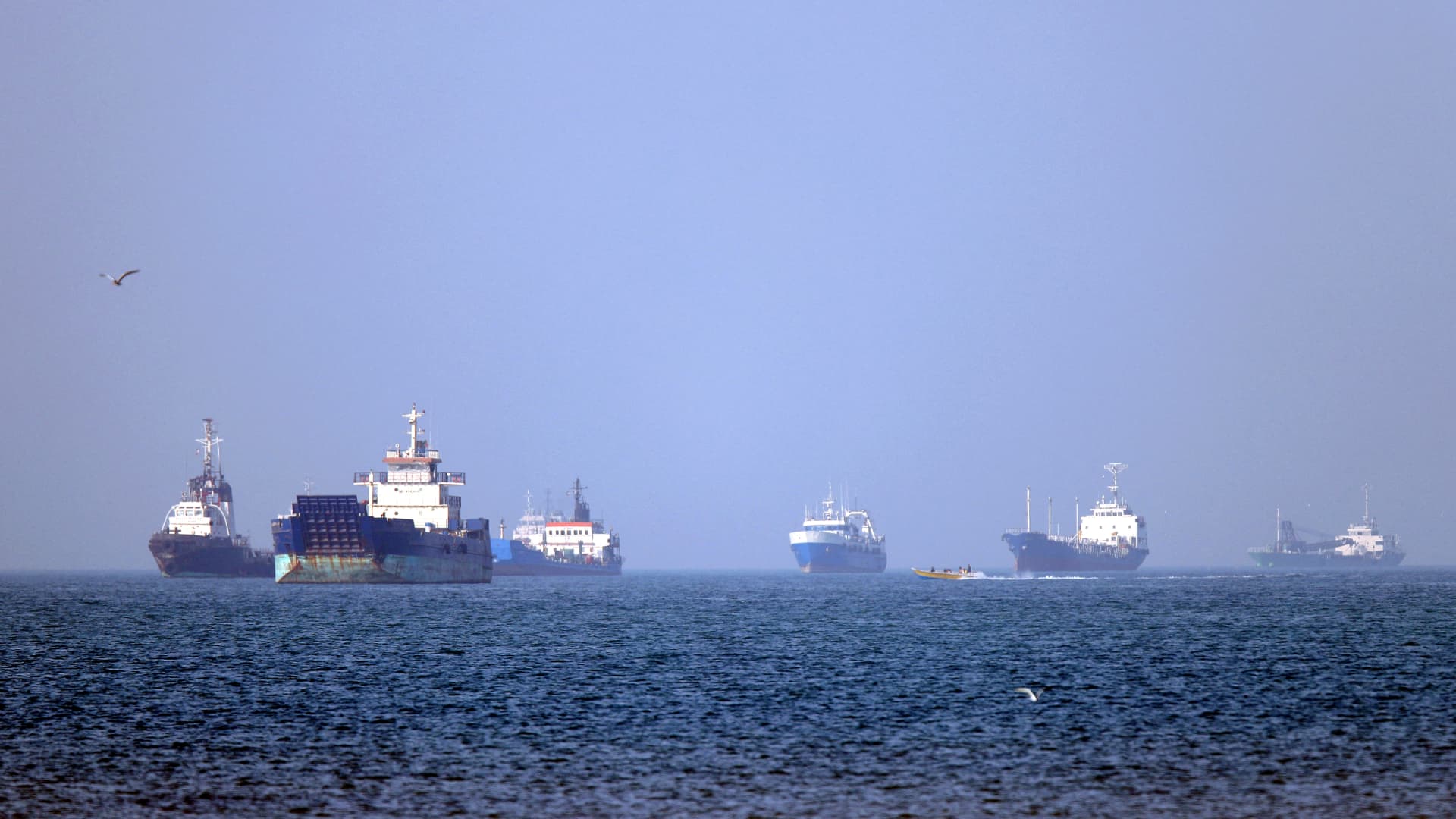
Danish shipping giant Maersk confirmed its commercial vessel, the Alliance Fairfax, successfully transited the Strait of Hormuz under U.S. military protection. Operated by Maersk Line Limited subsidiary Farrell Lines, the U.S.-flagged ship completed its journey safely, with all crew reported unharmed. This marks a critical step in reopening a vital global energy chokepoint, which saw shipping traffic nearly halt following the February 28 outbreak of U.S. and Israeli-led hostilities against Iran.
Dubbed “Project Freedom” by President Donald Trump, the operation aims to secure passage for commercial vessels stranded by Iran’s de facto closure of the strait, a narrow waterway connecting the Persian Gulf and the Gulf of Oman. Approximately 20% of the world’s oil and gas production typically transits this passage, highlighting its immense strategic and economic significance. The successful transit of the Alliance Fairfax, alongside two other U.S.-flagged merchant vessels confirmed by U.S. Central Command (CENTCOM), indicates a potential shift in operational control of this critical maritime route.
Direct Confrontation Underway in Strategic Waterway
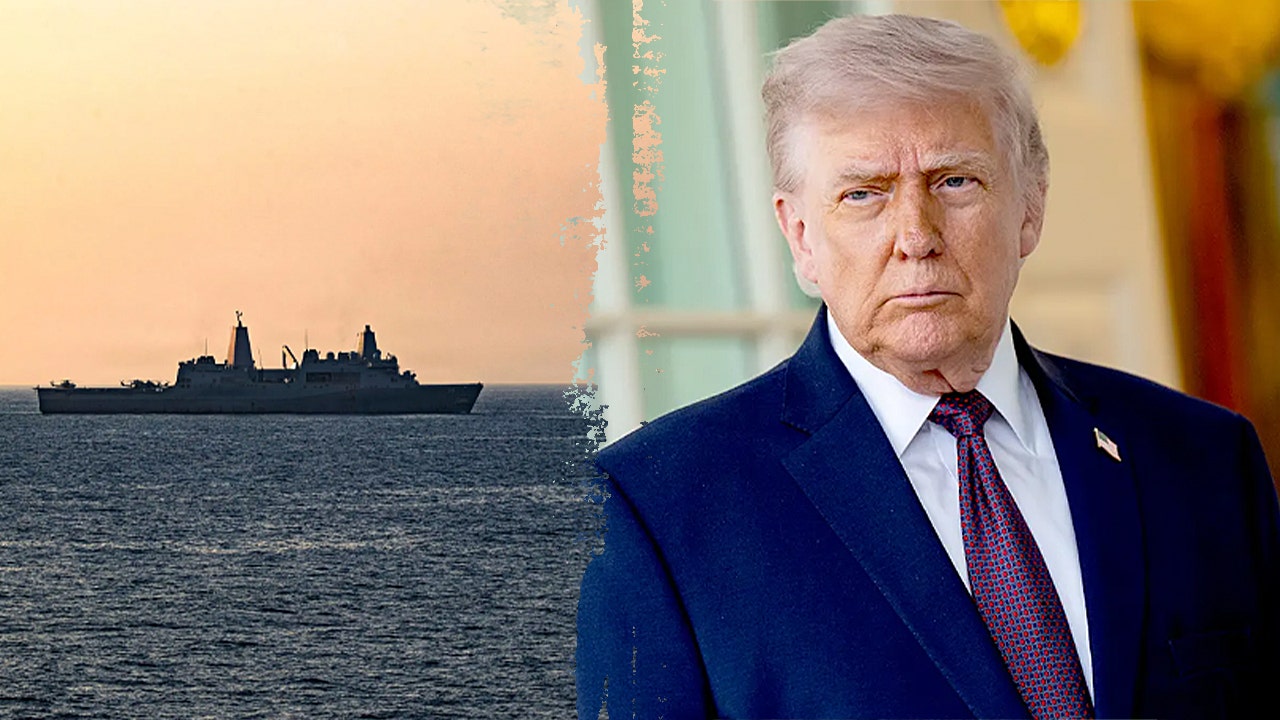
The U.S. military’s endeavor to reopen the Strait of Hormuz occurs within a high-threat environment, with American forces actively intercepting Iranian missiles and drones. U.S. Navy guided-missile destroyers are deployed in the region, providing direct escort and protection for commercial shipping. This active defense posture underscores the immediate, ongoing confrontation with Iranian forces, who have threatened to target any foreign military presence within the strait.
CENTCOM’s confirmation of U.S.-flagged merchant vessels transiting under “Project Freedom” directly challenges Iranian assertions that such efforts are “baseless.” Iranian officials have issued stark warnings, stating any foreign military presence will be targeted, thereby intensifying the direct confrontation over control of this vital maritime artery. The situation represents a direct test of sovereignty and operational dominance in a globally critical transit zone.
Trump’s Rhetoric Amplifies Geopolitical Stakes
President Donald Trump issued an unequivocal warning: any Iranian strike on U.S. vessels would be met with overwhelming retaliatory force, vowing Iran would be “blown off the face of the earth.” This aggressive posturing, communicated via social media, significantly escalates geopolitical stakes, framing the operations as a direct confrontation with potentially catastrophic consequences. The rhetoric amplifies existing tensions and signals a high-stakes commitment to maintaining open passage.
Concurrently, a senior Iranian commander threatened that American forces would be targeted if they “approach and enter” the strait. This exchange of threats highlights the situation’s volatility, where miscalculation or escalation could rapidly draw the nations into open conflict. The strategic implications for regional stability and global energy markets are profound, given the strait’s crucial role in oil and gas transportation.
Strategic Implications for Global Energy Markets and Shipping
The resumption of traffic through the Strait of Hormuz, even under military escort, is a critical development for global energy markets. Prolonged closure or disruption of this waterway directly impacts oil and gas prices, supply chain stability, and the profitability of Persian Gulf energy producers. The U.S. initiative, while offering immediate relief for stranded vessels, signifies a strategic commitment to maintaining freedom of navigation, with significant economic and geopolitical ramifications.
For shipping companies like Maersk, transiting the Strait of Hormuz is paramount for operational continuity and fulfilling contractual obligations. Reliance on U.S. military protection underscores the inherent risks of operating in the region and highlights the complex interplay between commercial interests and geopolitical security. Elevated insurance premiums and financial burdens associated with such transits will likely reflect the heightened risk profile, impacting global trade costs.
Competitive Landscape and Future of Maritime Security
The “Project Freedom” initiative and accompanying military operations represent a significant U.S. strategic maneuver to assert control over a vital global chokepoint. This action aims not only to secure immediate transit for commercial vessels but also signals a broader intent to counter Iranian influence and maritime assertiveness in the Persian Gulf. The competitive dynamic between the U.S. and Iran for regional dominance is starkly illustrated by ongoing operations and retaliatory threats.
The successful, albeit contested, reopening of the Strait of Hormuz could set a precedent for future maritime security operations in contested waterways. It demonstrates a major naval power’s capacity to enforce freedom of navigation while highlighting the significant risks and potential for escalation inherent in such interventions. Long-term implications for international maritime law, the role of naval power in securing global trade, and the strategic balance in the Middle East will be closely scrutinized by global powers and industry stakeholders.
Iran’s Strategic Response and Escalation Potential
Iran’s rejection of U.S. claims and explicit threats to target foreign military presence signal a strategic intent to contest U.S. dominance in the Strait of Hormuz. This response likely aims to project strength, deter further U.S. military involvement, and potentially rally domestic support and regional allies. The Iranian leadership faces a delicate balance between asserting sovereignty and avoiding full-scale conflict with the United States.
The threat to target U.S. forces if they “approach and enter” the strait suggests a deterrence strategy relying on asymmetric warfare and missile strikes. This approach leverages Iran’s capabilities to inflict significant costs on perceived aggressors, complicating strategic calculations for U.S. military planners. The situation remains fluid, with rapid escalation potential contingent on the actions and reactions of both sides.
Broader Geopolitical Repercussions and Stakeholder Exposure
Events in the Strait of Hormuz carry far-reaching geopolitical repercussions beyond the immediate U.S.-Iran confrontation. Regional powers, including Saudi Arabia and the United Arab Emirates, are closely monitoring the situation, as their economic stability and security are directly linked to oil flow through the strait. Sustained disruption or escalation could significantly destabilize the Middle East.
International stakeholders, including global energy consumers, financial markets, and allied nations, are exposed to the volatility generated by these events. Fluctuations in oil prices, potential supply disruptions, and heightened regional conflict risk directly impact economic growth and stability worldwide. The U.S. military intervention, while aimed at securing passage, also draws international attention to broader strategic competition and its potential global consequences.
The Role of Information and Narrative Control
Conflicting narratives surrounding the Strait of Hormuz operations, with Iran dismissing U.S. claims as “baseless,” highlight the critical role of information and narrative control in modern geopolitical conflicts. Both sides actively shape public perception and international opinion through official statements, social media, and state-controlled media. This information warfare component is as crucial as military operations in determining strategic outcomes.
The U.S. military’s use of social media for announcements, alongside President Trump’s direct communication via Truth Social, exemplifies contemporary strategic messaging. Iran’s official pronouncements and threats serve to bolster its image as a resilient regional power capable of challenging U.S. influence. The effectiveness of these competing narratives in influencing domestic audiences, regional actors, and the international community remains a key factor in the ongoing strategic contest.
Long-Term Implications for Maritime Trade and Security Frameworks
The sustained U.S. military presence and active escort operations in the Strait of Hormuz signal a significant shift in the Persian Gulf’s security architecture. This intervention underscores the vulnerability of critical global trade routes to geopolitical instability and major powers’ willingness to employ military force to ensure their security. The long-term implications for established maritime trade and international security frameworks are substantial.
The precedent set by “Project Freedom” could influence future responses to similar chokepoint vulnerabilities worldwide. It raises questions about the sustainability of such military interventions, the potential for mission creep, and the long-term costs of maintaining freedom of navigation in contested waters. Strategic decisions made in response to this crisis will shape the future of maritime security and the global economic order.