Forensic Resolution of a Century-Old Maritime Loss
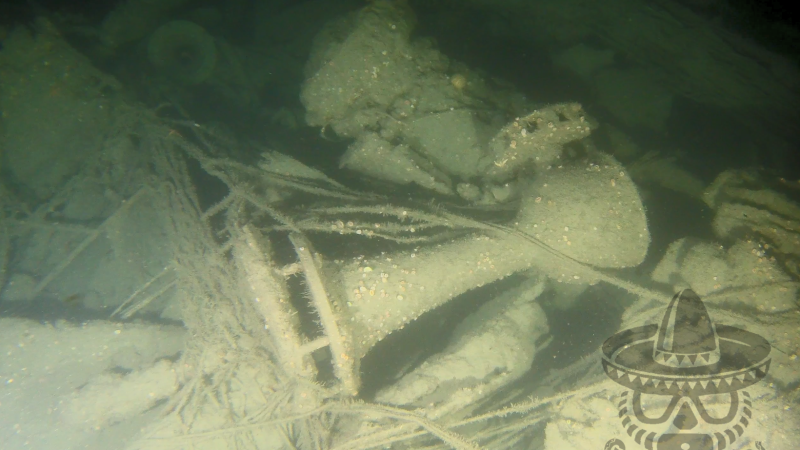
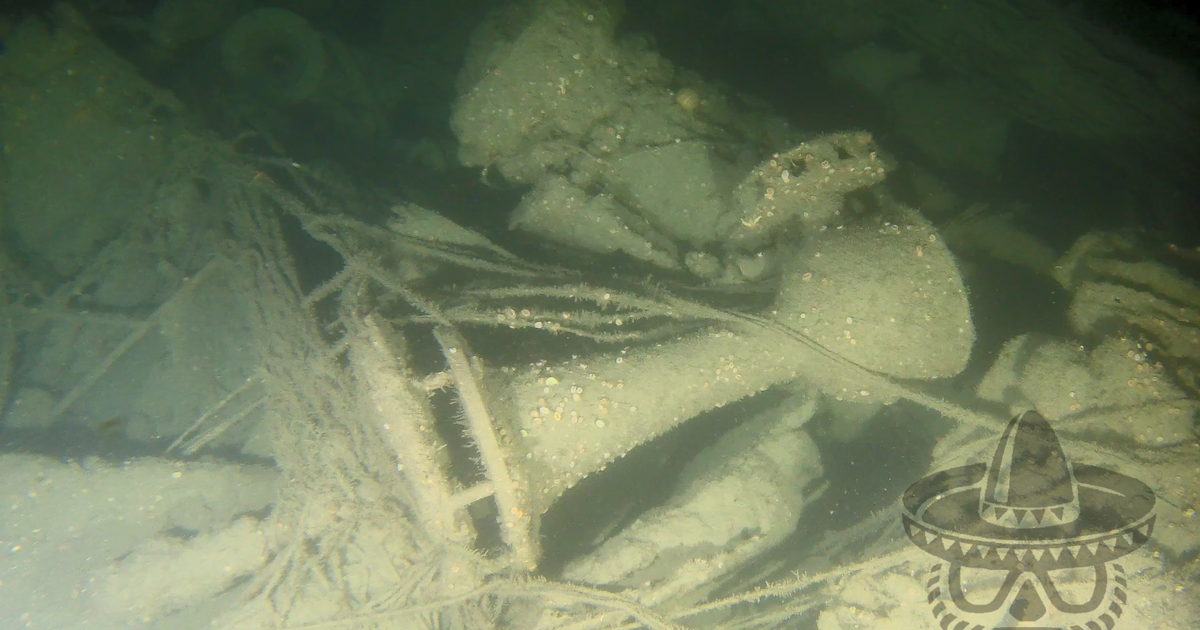
The identification of the United States Coast Guard Cutter (USCGC) Tampa wreckage off the Cornwall coast represents a definitive closure to the most significant American naval catastrophe of World War I. Resting at a depth of 91 meters (300 feet), the site serves as the final repository for 131 service members. This discovery transitions the event from an archival casualty record to a tangible archaeological site, facilitating a deeper analysis of early 20th-century submarine warfare and vessel vulnerability.
Technical Methodology and Sub-Surface Logistics
The Gasperados Dive Team executed a three-year technical campaign characterized by rigorous bathymetric surveys and high-risk saturation diving. Operating 50 miles offshore, the unit utilized specialized gas mixtures to manage nitrogen narcosis and decompression obligations inherent at 300-foot depths. The search integrated 1918-era German U-boat logs with contemporary sonar mapping, pinpointing the impact site within the volatile Bristol Channel. This successful recovery underscores the evolving capability of private technical units to resolve sovereign maritime mysteries formerly beyond the scope of traditional salvage.
Tactical Analysis of the 1918 Torpedo Strike
Historical reconstruction of the September 26, 1918, sinking indicates a tactical execution by the German submarine UB-91. The Tampa, silhouetted against the horizon, was struck amidships, triggering a catastrophic loss of buoyancy. The vessel foundered in approximately three minutes, a speed suggesting immediate structural failure that precluded the deployment of life-saving equipment. This event occurred during a high-tempo phase of convoy escort duty, where the Tampa had successfully protected 18 previous transatlantic transitions before its fatal encounter.
Sovereign Immunity and the Legal Status of War Graves
The wreckage is now categorized as a war grave under the principle of sovereign immunity, establishing strict international legal protections against unauthorized interference. Although located within British territorial waters, the vessel remains the property of the United States. Future site management will prioritize non-invasive documentation, adhering to the Sunken Military Craft Act and comparable international protocols to preserve the site’s integrity while honoring the 131 personnel interred there.
Institutional Legacy and Strategic Continuity
For the U.S. Coast Guard, the Tampa’s discovery validates the service’s historical combat utility and sacrifice. The cutter was one of six deployed for ocean-going escort duties, and its loss remains a singular outlier in the service’s WWI operational history. By anchoring the historical narrative to a physical location, researchers can now provide descendants with definitive closure, transforming a century of institutional memory into a documented monument of maritime service.