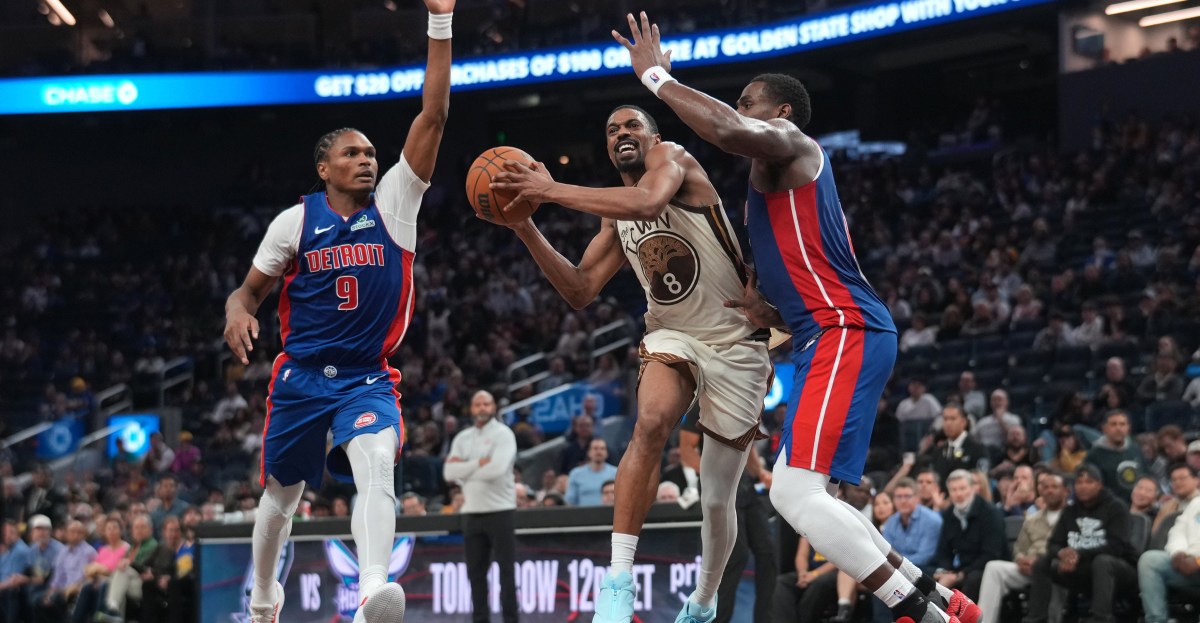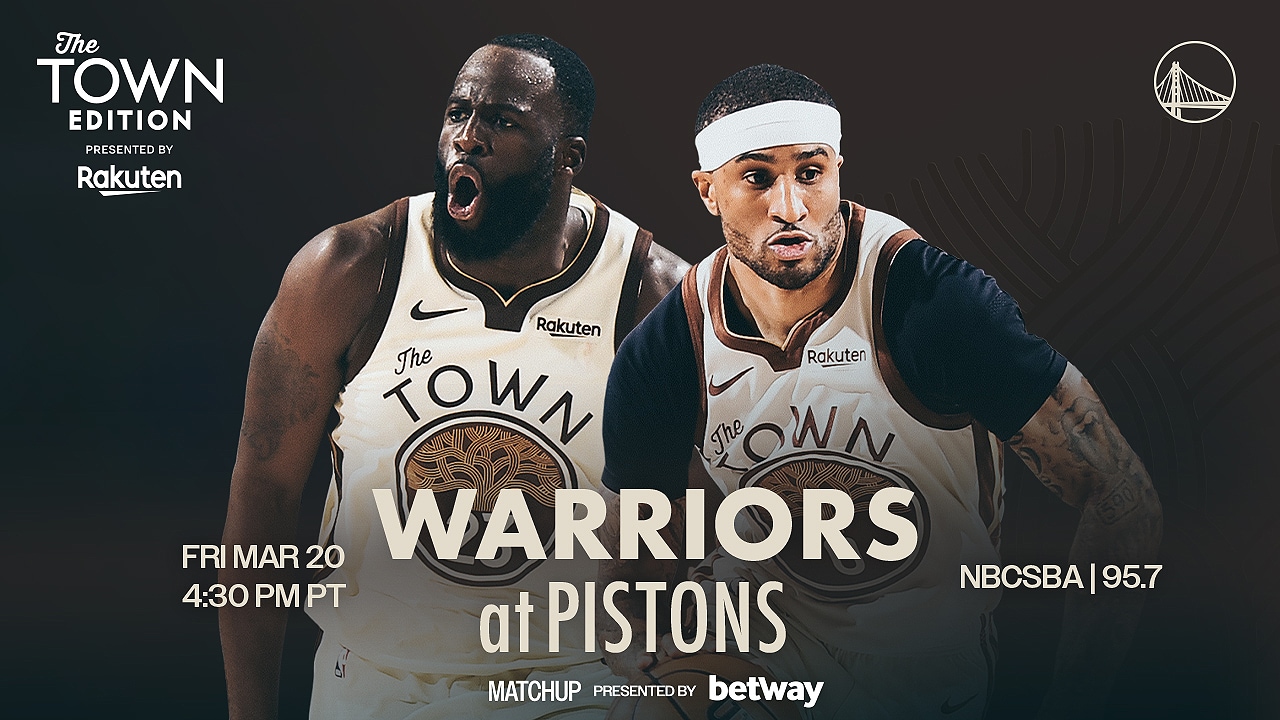
The forthcoming game between the Detroit Pistons and the Golden State Warriors is analytically defined by the simultaneous critical depletion of both teams’ primary offensive architects, necessitating a fundamental recalibration of competitive strategy.
Shifting Competitive Calculus: Offensive Gravity Nullified
Cade Cunningham’s absence, confirmed due to a collapsed lung, establishes a hard constraint on Detroit’s offensive ceiling, immediately pivoting the team’s performance viability onto defensive proficiency.
Recent performance volatility—specifically the second-quarter offensive stagnation against Washington despite a strong start—demonstrates the structural fragility of the Pistons’ offense without Cunningham’s primary creation burden.
This forces Detroit into a non-negotiable reliance on defensive metrics to maintain competitiveness; the offensive framework is inherently predisposed to regression without their main playmaker.
Conversely, the Warriors face an equivalent challenge. Steph Curry’s absence fundamentally degrades their offensive gravity and the high-efficiency threat matrix they impose on opponents.
Performance Leverage in a Short-Handed Context
Curry’s mitigation levels the playing field, reducing Golden State’s capacity for high-volume scoring that typically compensates for defensive lapses against lesser teams. This elevates the contest to a direct test of organizational depth and tactical discipline.
For Detroit, this fixture carries significant weight; within a challenging segment of the schedule, securing a victory against a similarly compromised opponent is operationally vital for bolstering confidence in interim schemes.
The outcome hinges on Detroit’s capacity to enforce defensive stability—the only reliable lever—to offset the predictable offensive regression inherent in Cunningham’s absence, a hurdle highlighted by their recent execution inconsistencies.
Operational Benchmarks: Defensive Execution as the Floor
The Warriors, without their foundational scoring gravity, are expected to transition to a ball-movement heavy, conservative offensive structure, emphasizing opportunistic scoring over isolation plays.
This demands hyper-disciplined defensive rotations and communication from the Pistons’ perimeter defenders, as the Warriors’ systemic structure retains the capacity to exploit momentary defensive confusion.
The imperative for Detroit is maximizing defensive attrition. Any lapse translates directly into an unsustainable deficit, as offensive production remains structurally capped. The margin for error on defense is virtually zero.
Organizational Resilience and Data Points for Future Valuation
Successfully navigating this injury spell, particularly securing wins against winnable fixtures, validates depth chart investments and the coaching staff’s ability to implement effective emergency schemes.
Failure to capitalize suggests significant performance regression, impacting mid-season evaluation timelines.
For Golden State, Curry’s unavailability tests the readiness of secondary leadership structures and accelerates the development curve for high-usage ancillary players. This unplanned exposure yields critical data for front-office assessments regarding roster construction and trade priorities.
Competitive Context: The ‘Battle of the Backups’
The narrative centers on the efficiency and reliability of non-star contributors. Success is determined by depth chart comparisons: which team’s secondary players demonstrate superior tactical discipline and lower turnover rates under pressure.
Detroit’s ability to close against Washington suggests closing talent exists, but sustaining that focus against a team with the Warriors’ institutional pedigree demands heightened execution consistency.
The immediate strategic hurdle for Detroit is overcoming the systemic breakdown pattern identified in the previous game’s second quarter under sustained pressure.
Long-Term View: Volatility vs. Depth
While singular focus is on this result, the cumulative impact of star injuries reveals the efficacy of roster construction philosophies. High reliance on singular talents breeds volatility; balanced contribution models exhibit superior resilience.
This game functions as a micro-experiment testing how well each franchise has insulated itself against high-value player unavailability. The result informs perceptions of each team’s true floor for the remainder of the season.
The explicit acceptance that ‘sluggish offense’ is the baseline for Detroit mandates a defensively superior performance relative to season averages to secure victory. The strategic goal shifts from outscoring to out-grinding the opponent through attrition.