Narrative Rigor vs. Operational Velocity
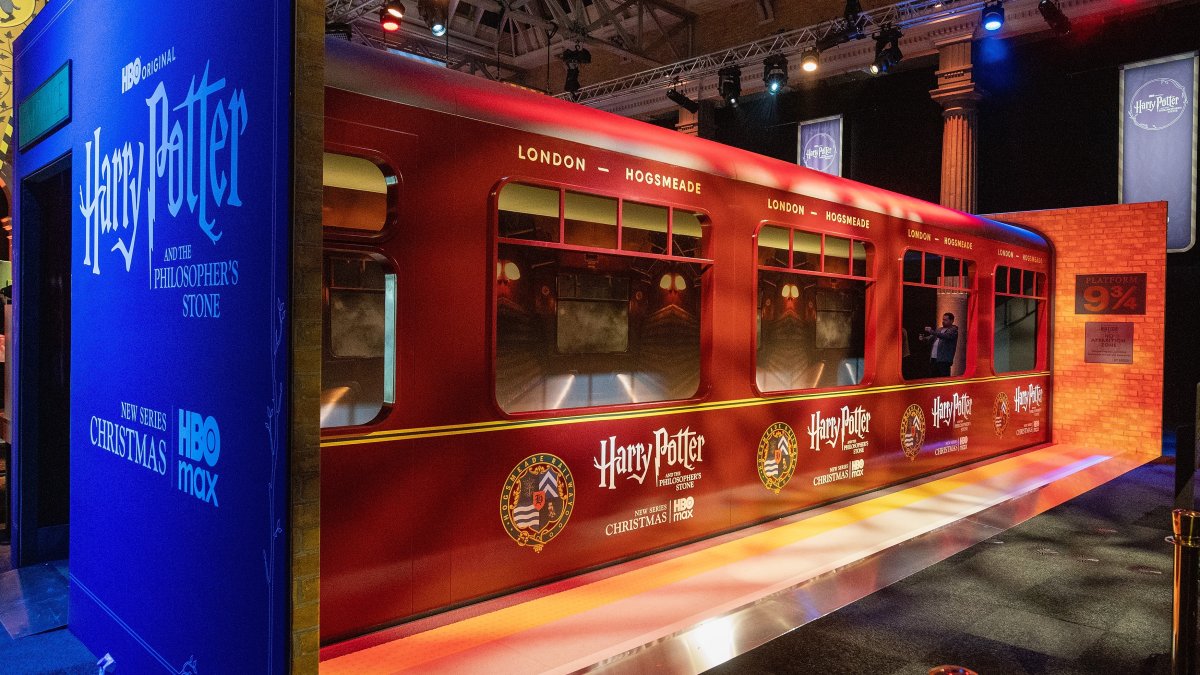
The production of HBO’s Harry Potter series has entered a phase of structural recalibration as it transitions into the *Chamber of Secrets* narrative. While Season 1 is finalized for a December 25 premiere, the subsequent installment is experiencing systemic friction at Leavesden Studios. Warner Bros. executives have reportedly prioritized narrative fidelity over production speed, resulting in the rejection of initial scripts and a mandatory redrafting phase to ensure brand integrity.
Talent Acquisition and High-Stakes Recasting
The production’s casting strategy reflects a shift toward established dramatic pedigree. International Emmy winner Billy Barratt has been secured to portray the young Tom Riddle, a role requiring significant psychological depth to anchor the season’s antagonist origins. Furthermore, BAFTA winner Lenny Rush will provide the performance basis for Dobby, signaling HBO’s intent to treat CG-integrated characters with the same critical weight as live-action roles.
Operational continuity faced disruption with the role of Ginny Weasley, where Bonnie Hill replaces Season 1’s Gracie Cochrane due to unforeseen circumstances. More notably, the role of Gilderoy Lockhart has seen a high-profile pivot; initially linked to Nicholas Hoult, the role will now be portrayed by Kit Harington following scheduling conflicts. This transition highlights the volatility of talent commitments when primary production windows fluctuate.
Fiscal and Labor Implications of Script Bottlenecks
The executive decision to scrap existing drafts has delayed the principal photography start date from August to October. This two-month slippage carries substantial capital implications and has reportedly triggered internal labor instability. Reports indicate that crew members are not being compensated during the rewrite hiatus, leading to potential attrition as specialized technicians seek alternative employment to mitigate loss of income.
This delay tests the robustness of the Leavesden production ecosystem. In the competitive landscape of prestige television, a widening gap between seasons can dilute audience retention and disrupt long-term marketing cycles. For Warner Bros. Discovery, the series represents a foundational intellectual property asset where the cost of perfectionism—manifesting here as production chaos—is weighed against the risk of a sub-standard adaptation.
Strategic Outlook
As the production targets the new October window, the focus shifts to stabilizing the technical workforce and finalizing the revised scripts. The ability to pivot from Nicholas Hoult to Kit Harington suggests a resilient casting infrastructure, yet the underlying labor dissatisfaction remains a critical risk factor. The project remains a high-stakes litmus test for the studio’s capacity to manage its most valuable franchise under intense public and financial scrutiny.