Strategic Imperatives: Navigating Systemic Vulnerability
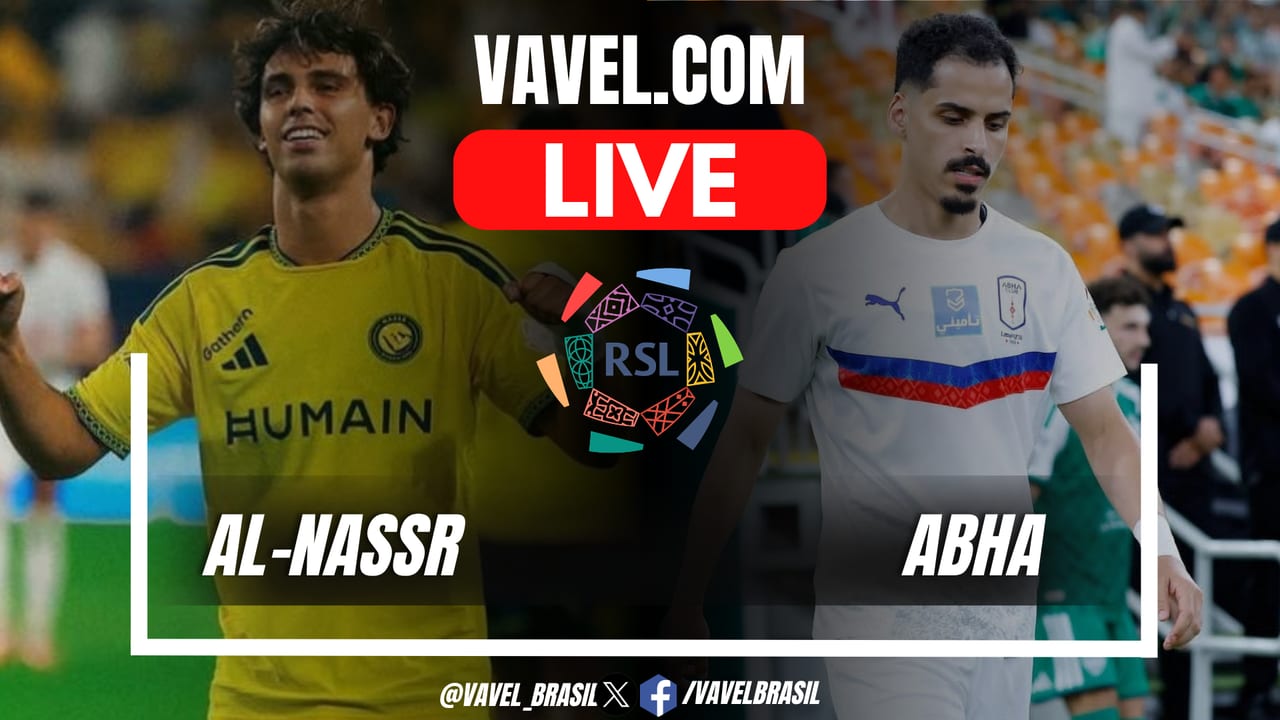
Al-Nassr’s current Saudi Pro League campaign has entered a phase of high-stakes tactical recalibration. The enforced absence of elite international profiles has exposed the inherent fragility of squad depth, compelling manager Ange Postecoglou to pivot from established fluid systems to a more pragmatic, resource-contingent framework. Currently positioned third with 12 points, the club remains within striking distance of Al-Hilal and Al-Qadsiah; however, the three-point deficit—compounded by an inferior matches-played ratio—leaves zero margin for further operational error.
Tactical Deconstruction: Offensive and Midfield Reconfiguration
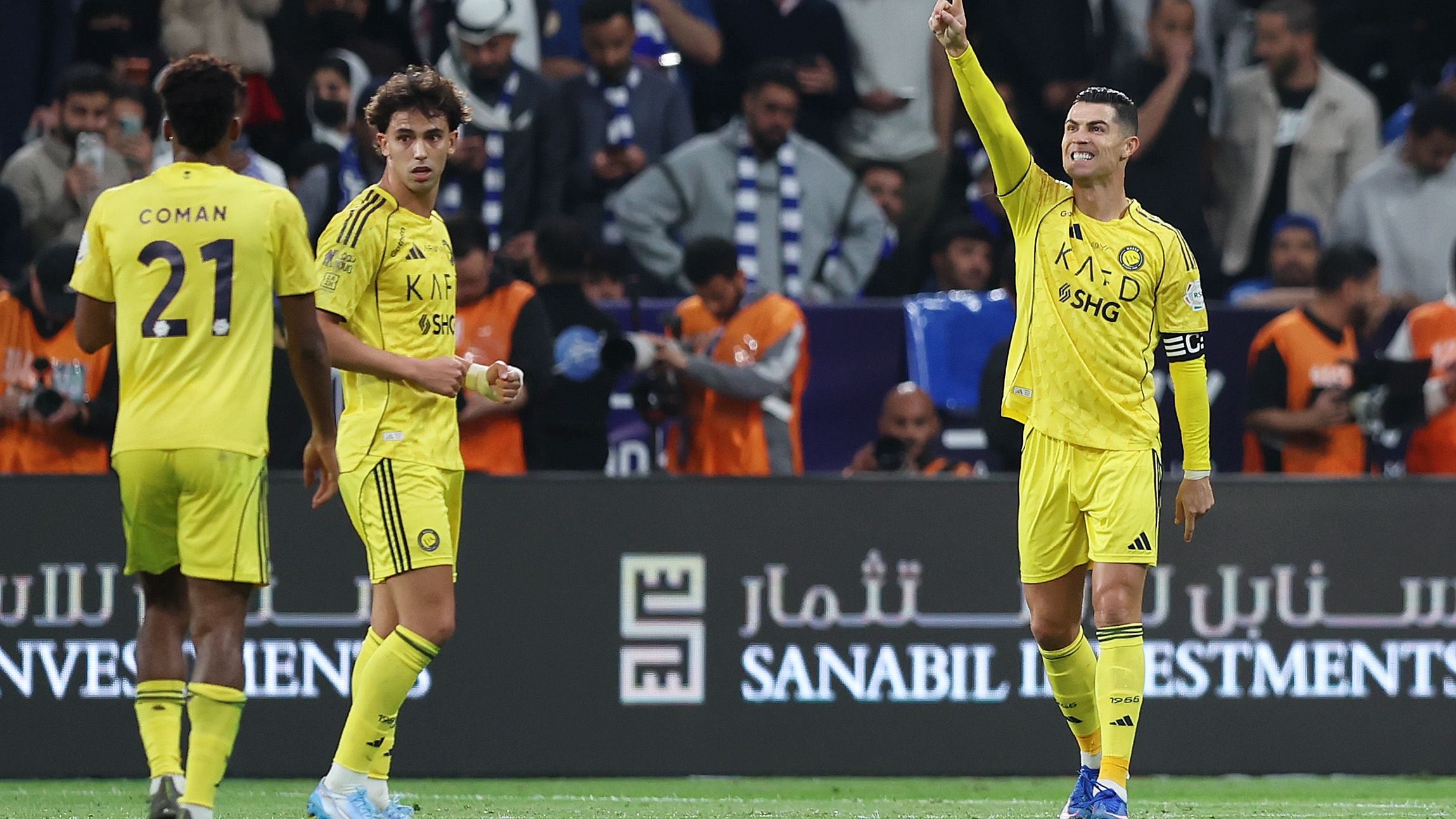
The simultaneous unavailability of Joao Felix (suspension) and Kingsley Coman (injury) has effectively decapitated Al-Nassr’s primary creative engines. Felix’s absence removes a vital link between the transition and finishing phases, while Coman’s injury neutralizes the squad’s verticality and width on the right flank. This personnel deficit necessitates a fundamental shift in the attacking hierarchy.
Postecoglou’s decision to integrate Abdullah Al-Hamdan as a strike partner for Cristiano Ronaldo represents an attempt to manufacture synergy through localized domestic talent. While this pairing offers a different physical profile, it lacks the established telepathy of the preferred frontline, potentially increasing the scoring burden on Ronaldo and reducing the team’s overall expected goals (xG) efficiency.
Centrally, the inclusion of Abdullah Al-Khaibari alongside Sammy Costa is a defensive safeguard designed to stabilize the pivot. However, this configuration risks slowing the pace of transition. Against low-block opponents, the lack of a high-volume playmaker in the Felix mold could result in stale possession and predictable patterns of play.
Defensive Stabilization and Integration Mechanics
The defensive unit sees a significant veteran reintroduction with Inigo Martinez partnering Mohamed Simakan. Following Abdulelah Al-Amri’s injury, this duo must reconcile Martinez’s positional intelligence with Simakan’s recovery speed to mitigate counter-attacking threats. The efficacy of this partnership will be the primary determinant of Al-Nassr’s ability to sustain high defensive lines without sacrificing structural integrity.
Competitive Context and Psychological Momentum
The recent 2-1 loss to Al-Ittihad serves as a diagnostic tool for the squad’s current limitations, abruptly halting a four-match winning trajectory. While a statistical profile of 13 goals scored against five conceded suggests a robust baseline, the inability to secure points in high-leverage matches highlights a need for greater psychological resilience. The upcoming fixture against Abha, currently at the bottom of the table, is less a test of quality and more a test of professional discipline. A failure to dominate would signal deeper systemic issues beyond mere personnel absences.
Long-Term Strategic Implications
For Al-Nassr’s stakeholders, these disruptions are an litmus test for the club’s recruitment and development strategies. The performance of rotational players during this period will dictate future transfer window priorities. In an increasingly competitive Saudi Pro League—defined by massive capital injection and the influx of global icons—the ability to maintain performance levels during periods of squad attrition is the true hallmark of a championship-caliber institution. Postecoglou’s management of this crisis will define the narrative of his tenure and Al-Nassr’s season trajectory.