Strategic Implications of Series Extension in NBA Playoffs
The Houston Rockets successfully extended their first-round playoff series against the Los Angeles Lakers, securing a 115-96 victory in Game 4 at the Toyota Center. This win prevents an immediate sweep, shifting the series dynamic from a potential conclusion to a high-stakes, continued contest. The outcome highlights critical vulnerabilities for both franchises, particularly concerning roster depth and reliance on superstar talent during elimination scenarios.
For the Rockets, avoiding elimination in Game 4 provides a necessary psychological reset and validates strategic adjustments made in response to significant roster challenges. The victory, achieved without superstar Kevin Durant for the third consecutive game, demonstrates the potential for emerging talent to step into high-leverage roles. This performance offers a crucial data point for long-term franchise planning, evaluating the capabilities of developing players under playoff pressure.
The Superstar Dilemma: Lakers’ Operational Risk and Roster Depth Challenges
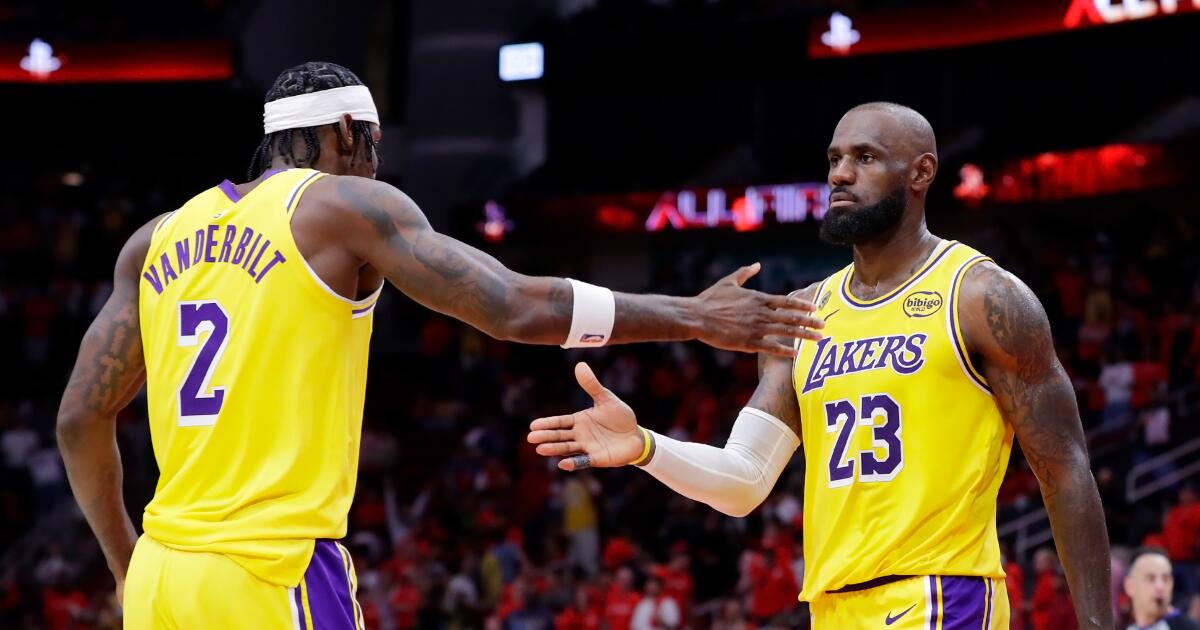
The series has been defined by the strategic challenges posed by key player injuries and absences. The Lakers entered Game 4 relying heavily on LeBron James, with Luka Dončić and Austin Reaves sidelined. This reliance on a single primary playmaker creates significant operational risk, particularly in high-stakes playoff environments where opposing defenses can focus their efforts on neutralizing the primary threat. The Lakers’ inability to close out the series in Game 4, despite holding a commanding lead, underscores the strategic vulnerability inherent in a top-heavy roster structure.
The operational challenges for the Lakers were exacerbated by mid-game disruptions. The ejection of Deandre Ayton in the third quarter, who had contributed 19 points and 10 rebounds, forced immediate strategic adjustments. Ayton’s sudden departure highlighted the importance of roster depth and preparedness for unexpected events. The subsequent performance of Jaxson Hayes, tasked with replacing Ayton, further exacerbated the Lakers’ challenges, as Hayes quickly accumulated four fouls in the third quarter. This scenario illustrates the cascading effects of mid-game disruptions, where the loss of one key player exposes vulnerabilities in the secondary rotation. For a team already dealing with injuries to key players like Reaves and Dončić, these operational challenges significantly diminish competitive leverage.
Depth and Adaptation: Rockets’ Resilience and Emerging Talent
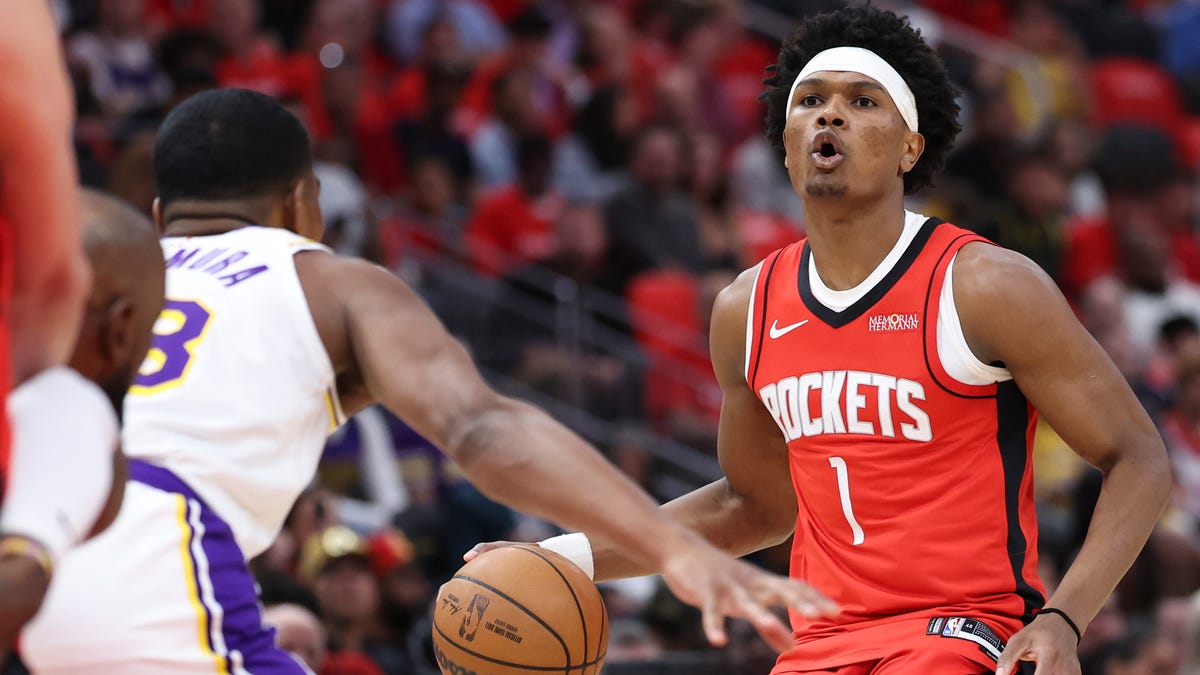
Conversely, the Rockets’ situation, while challenging due to Durant’s absence, forced a different strategic approach centered on collective resilience. The team’s reliance on emerging players like Amen Thompson, who led the team with 23 points in Game 4, demonstrates a different model of strategic flexibility. Thompson’s performance, shooting 10-of-16 from the field, provides a critical data point for evaluating the team’s depth and future competitive trajectory. This forced adaptation highlights the strategic value of developing versatile players capable of performing under pressure when primary options are unavailable.
The Rockets’ near-victory in Game 3, followed by their successful Game 4 performance, suggests that the team maintained competitive focus despite the pressure. The Lakers’ reliance on late-game heroics in Game 3, rather than dominant performance throughout, indicated potential strategic weaknesses that the Rockets were able to exploit in Game 4. The contrast in Game 4, where James finished short of a double-double with 10 points and nine assists, highlights the strategic limitations of relying heavily on one player for consistent high-level output against a resilient opponent.
Financial and Strategic Implications of Series Extension
The extension of the series to a Game 5 carries significant financial and strategic implications for both franchises and the league. Each additional playoff game generates substantial revenue through ticket sales, merchandise, and media rights. For the Rockets, hosting Game 5 provides an unexpected financial boost and increases the value of their media exposure during the playoffs. This financial incentive aligns with the competitive goal of extending the series, even if the ultimate outcome remains uncertain.
From a strategic perspective, the extension provides valuable experience for emerging players like Amen Thompson. Performing effectively in high-pressure elimination games accelerates player development and increases their perceived value within the league. For the Lakers, the failure to close out the series quickly increases competitive pressure and potentially impacts player fatigue, which becomes a critical factor in subsequent rounds. The strategic decision-making process for both teams regarding player load management and rotation adjustments will be heavily influenced by the unexpected extension of the series. The series extension forces both teams to re-evaluate their strategies and competitive positioning for the remainder of the playoffs.