
Operational Disruption at the Pacific Gateway
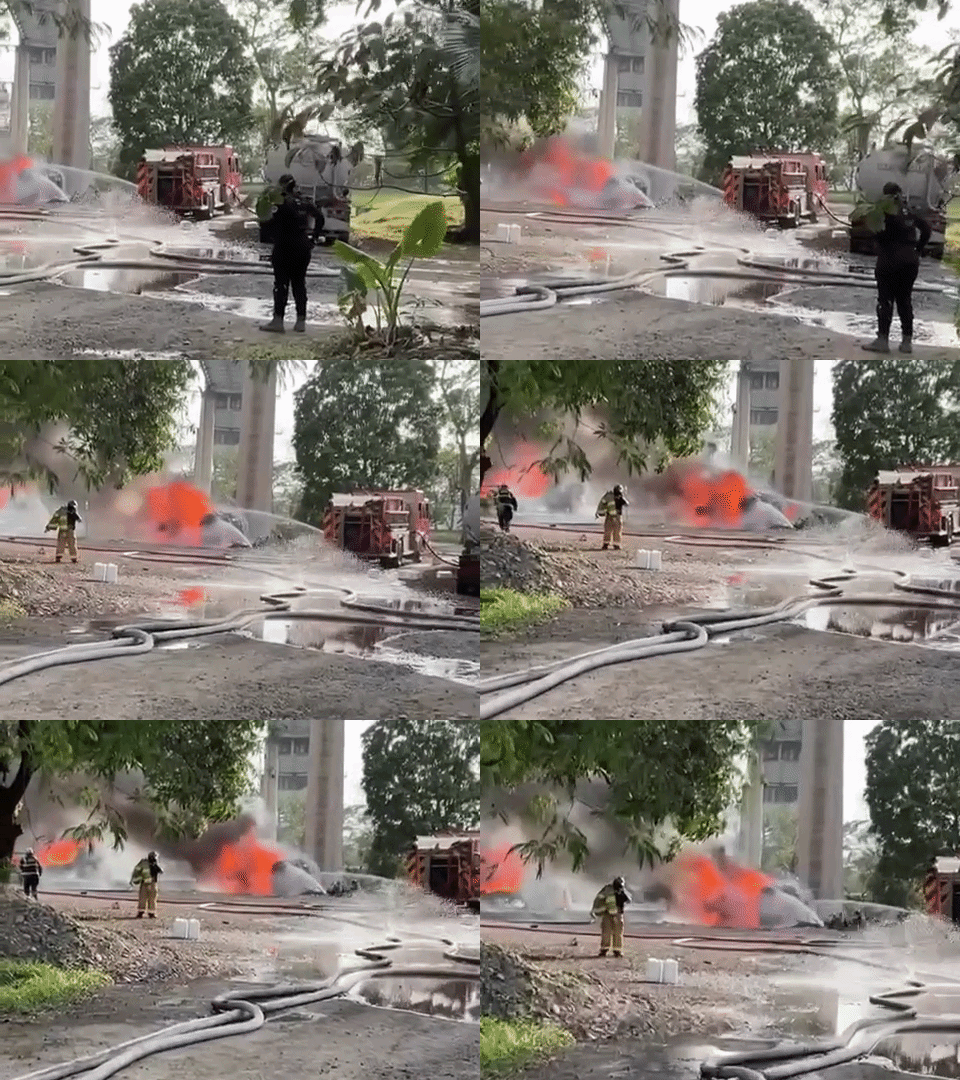
The Bridge of the Americas—a vital 1,654-meter link spanning the Pacific entrance to the Panama Canal—remains indefinitely closed following a catastrophic fire at an adjacent Balboa fuel facility. The incident, triggered by the ignition of multiple tanker trucks, generated extreme thermal energy, necessitating an immediate suspension of all transit.
This closure disrupts a critical node in regional logistics, as the bridge acts as a primary artery for both commercial and civilian transit. The incident highlights systemic vulnerabilities when high-density industrial zones are situated within the operational footprint of essential transport infrastructure.
Structural Integrity and Risk Mitigation
The Ministry of Public Works has commenced a specialized pathological inspection to quantify the impact of intense heat on the bridge’s structural load-bearing capacity. This diagnostic procedure is mandatory to verify that the fire did not compromise the integrity of the span’s steel and concrete components.
Authorities have adopted a conservative risk management posture, opting to restrict traffic until technical assessments confirm that the infrastructure is safe for resumption. This precautionary measure reflects an institutional commitment to avoiding catastrophic failure in a high-stakes, high-traffic environment.
Institutional Response and Safety Protocols
Bomberos Panama reported that the initial fuel fire induced secondary explosions, creating dense smoke plumes that severely restricted visibility and hindered containment. The rapid escalation of the event forced civilians to abandon vehicles on the roadway, underscoring the inherent volatility of managing fuel logistics near public transit corridors.
The ongoing investigation will scrutinize the regulatory framework governing hazardous material storage in the La Boca area. This inquiry is essential to determine if existing safety protocols are robust enough to mitigate the risks posed by co-located industrial activities near vital state assets.
Strategic Implications for Global Trade
The Panama Canal serves as a linchpin of global maritime commerce; consequently, any local infrastructure failure creates immediate cascading effects on supply chain efficiency. The Bridge of the Americas functions as a critical support link, enabling the flow of personnel and goods essential to canal operations.
Stakeholders in the maritime and logistics sectors are monitoring the situation to quantify potential delays in land-based support. The temporal extent of the closure will remain the primary variable in determining the economic impact on the regional logistics network.
Conclusion on Infrastructure Resilience
This incident functions as a case study in the risks of industrial proximity to public infrastructure. The requirement for a forensic structural analysis emphasizes the high cost of potential oversights in infrastructure management. Ultimately, the resolution of this crisis will depend on the Ministry’s ability to conduct a rigorous safety verification while maintaining transparency regarding regional traffic alternatives.
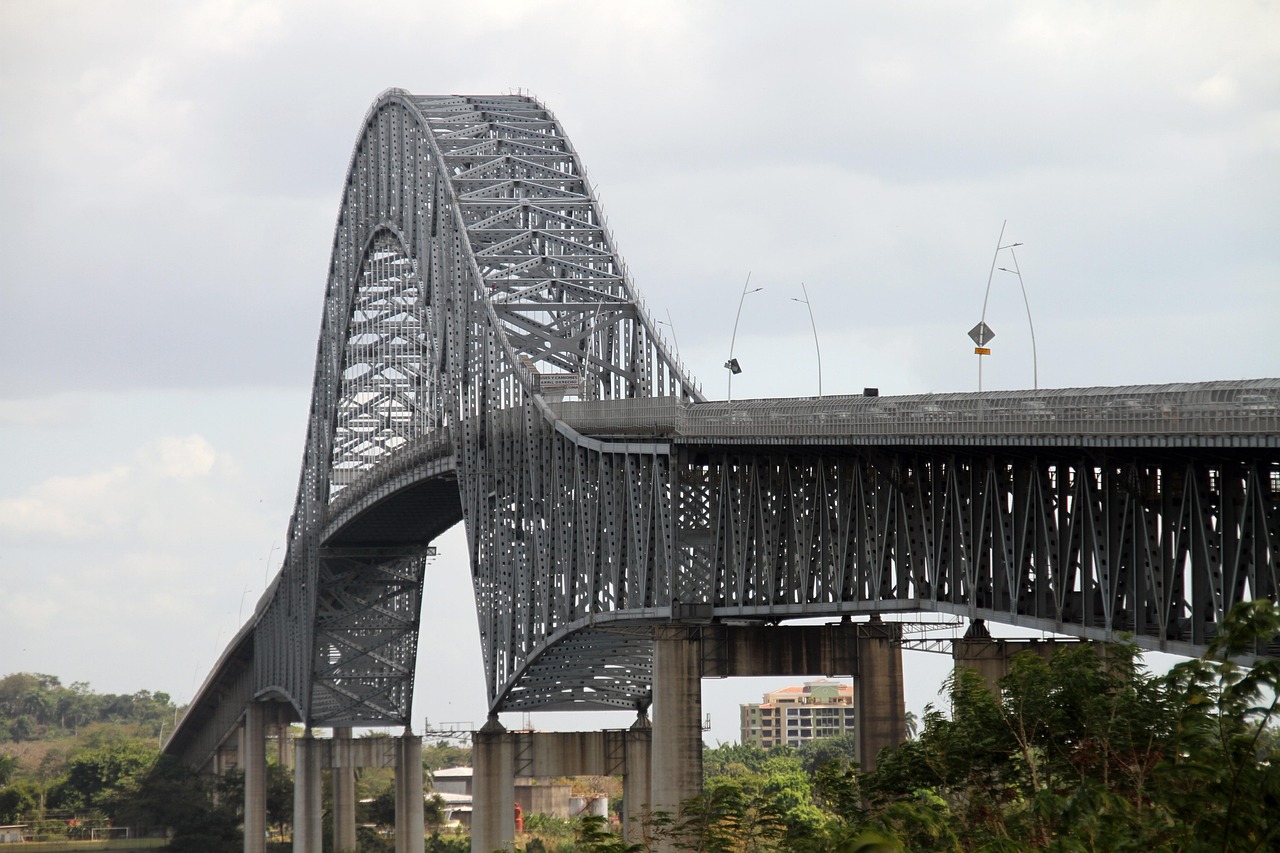
Photo by MonicaVolpin on Pixabay.