Macro-Level Volatility: Organizational Pressure in San Francisco
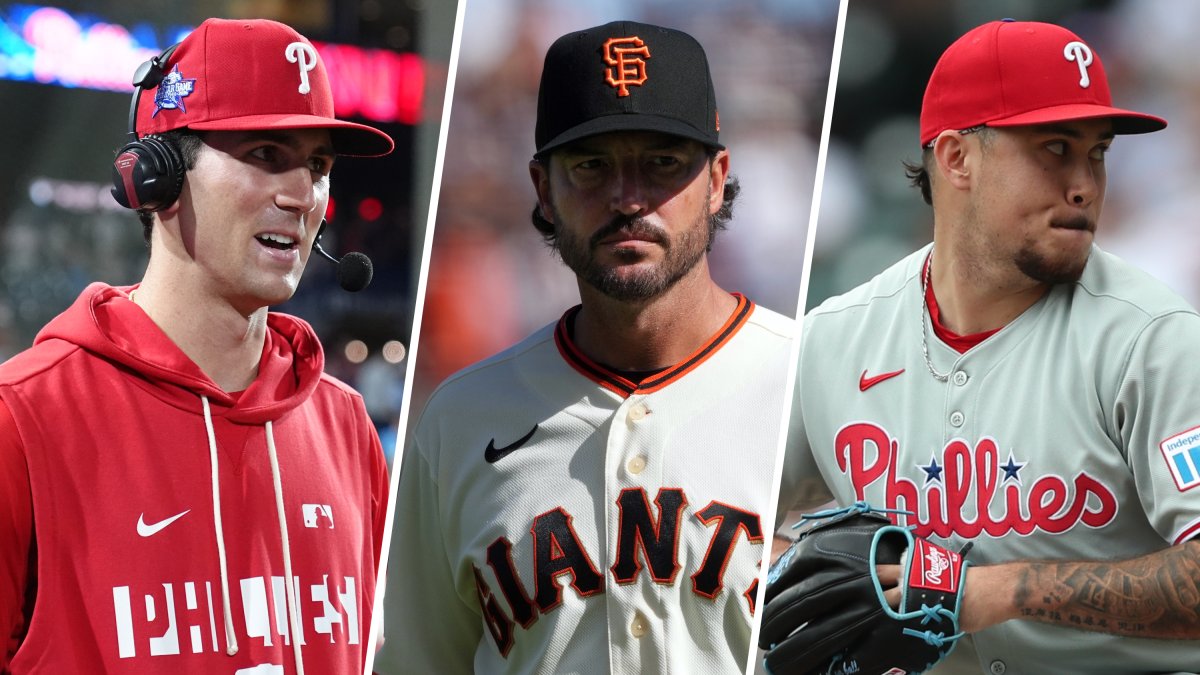
The San Francisco Giants enter their three-game set against the Philadelphia Phillies at a statistical nadir. Currently 3-7 overall with a 1-6 home record, the franchise faces an immediate test of operational consistency under first-year manager Tony Vitello. While the Phillies (5-4) arrive with momentum from series wins against lower-tier opponents, their transition from high-altitude Denver to the heavy sea-level air of Oracle Park introduces a physiological variable that often suppresses offensive output. For San Francisco, this series is a critical diagnostic period for a veteran-heavy roster currently performing at historically low efficiency levels.
The Pitching Laboratory: Houser’s Technical Command vs. Painter’s Ceiling
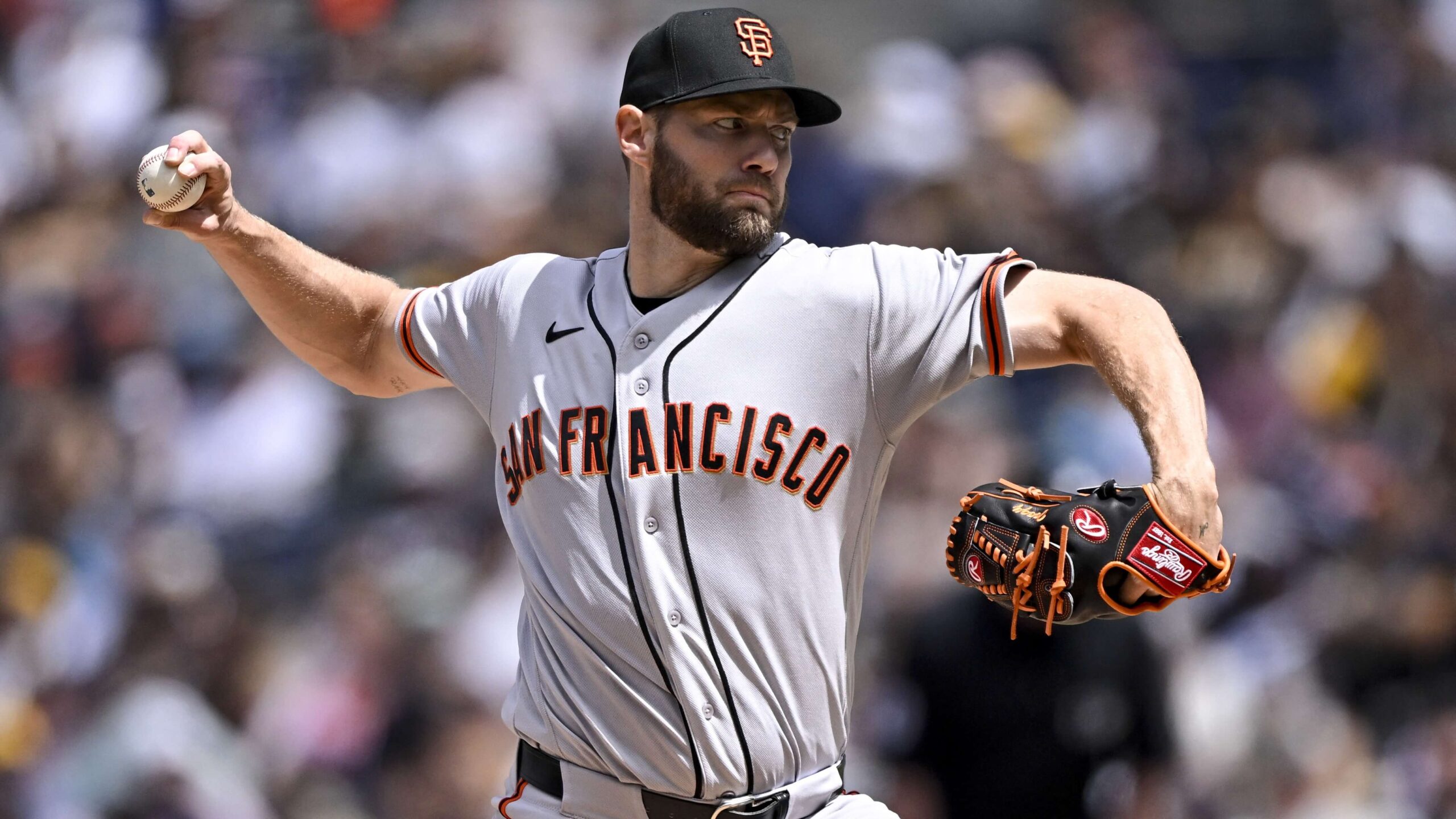
The series opener features a compelling contrast in pitching profiles. Adrian Houser anchors the Giants’ rotation, supported by a 117 Pitching+ metric that suggests elite technical command despite a 1-start sample size. His ability to induce weak contact aligns with Oracle Park’s expansive dimensions, yet success remains contingent on defensive stabilization; of the three runs allowed in his debut, only one was earned, indicating a variance that must be corrected. Houser must navigate a Phillies lineup that, while volatile on the road, possesses the power to exploit any lapse in secondary offering location.
Conversely, Andrew Painter represents the Phillies’ highest-leverage developmental asset. In his second MLB start, Painter seeks to replicate an 8-strikeout debut characterized by high-velocity vertical carry and a sophisticated whiff rate. The strategic challenge for the rookie involves maintaining efficiency through the second and third passes of a Giants order that, despite its slump, contains high-IQ veterans like Matt Chapman and Rafael Devers. The matchup hinges on whether Painter’s strikeout-heavy profile can neutralize a Giants offense that is currently failing to generate meaningful barrel rates.
Structural Analysis of Offensive Atrophy
The Giants’ offensive metrics through ten games are statistically anomalous. A team OPS of .561 and a league-worst 33.9% hard-hit rate reflect a systemic failure in timing and contact quality. With zero players exceeding a .680 OPS among those with 30+ at-bats, the stagnation is universal rather than isolated. This lack of authoritative contact—evidenced by a 3.3% barrel rate—renders the Giants’ home-field advantage inert, as Oracle Park necessitates high-exit velocity to clear the gaps.
Philadelphia faces its own hurdles, specifically the ‘Colorado hangover.’ Historically, teams exiting high-altitude environments experience a temporary regression in bat speed and pitch recognition. If the Phillies’ offense remains dormant following their 4-1 loss in Denver, they risk allowing Houser to dictate the tempo of the game. However, the Phillies’ path to victory lies in exploiting San Francisco’s current inability to produce runs via situational hitting, placing the burden of performance entirely on the Giants’ pitching staff.
Managerial Imperatives and Market Valuation
Tony Vitello’s tactical flexibility is being tested early. With high-contact acquisitions like Luis Arráez and Jung Hoo Lee struggling to find the gaps, Vitello may be forced to utilize more aggressive platooning or baserunning maneuvers to manufacture runs. On the opposing bench, the Phillies must balance the long-term health of Painter with the immediate need to secure road wins in a competitive NL East. Betting markets currently price the Giants as slight +105 underdogs, a valuation that assumes a regression to the mean for a lineup featuring Chapman and Adames, despite the absence of recent hard-hit data to support such an optimistic pivot.