
Macro-Operational Re-calibration: The April 5 Pivot
The scheduled reactivation of the One Piece anime on April 5 signifies a sophisticated operational shift within the Toei Animation ecosystem. Rather than a mere production pause, the post-Egghead Island hiatus functioned as a strategic interval to recalibrate supply-side logistics with global demand. By concluding the previous cycle on a high-stakes cliffhanger, the franchise utilized the downtime to consolidate its audience, driving secondary consumption of legacy content and reinforcing the series’ 25-year market hegemony.
Intellectual Property Valorization and Narrative Assets
The strategic deployment of high-impact narrative milestones—specifically the ‘Joy Boy’ revelation and the ‘Gear 5’ transformation—serves as the foundation for the series’ current intellectual property (IP) strength. These elements are not merely plot points but appreciating cultural assets that sustain viewer engagement during production gaps. This hiatus allowed the global fanbase to internalize these shifts, effectively increasing the ‘narrative capital’ of the series before transitioning into the high-complexity environment of Elbaf.
The Elbaf Arc: From Speculative World-Building to Vertical Escalation
The transition to Elbaf represents a vertical escalation in the story’s structural stakes. For over two decades, Elbaf has existed as a dormant narrative thread; its activation now serves as a catalyst for long-term viewer retention. This move transforms historical world-building into active plot resolution, ensuring the series remains a dominant force by rewarding multi-generational investment while maintaining accessibility for newer demographics captured during the Wano and Egghead cycles.
Economic Moats and Longevity Strategy
One Piece’s 25-year tenure acts as a formidable competitive moat. The franchise’s core thematic anchor—’inherited will’—mirrors its own institutional stability, allowing it to navigate a volatile entertainment market. This continuity provides a de-risked environment for merchandising, licensing, and transmedia collaborations, as the emotional investment of the consumer base is less susceptible to the boom-and-bust cycles typical of shorter-lived seasonal anime.
Multimedia Synergy: Aina The End and Brand Expansion
The integration of contemporary cultural figures, notably the collaboration with Aina The End, exemplifies a sophisticated cross-media promotional strategy. Synchronizing the anime’s return with high-profile music industry releases expands the brand’s reach into peripheral markets. This synergy enhances the franchise’s prestige, creating diverse entry points for consumers and reinforcing the brand’s relevance within the broader global pop-culture landscape.
Operational Resilience: The Future of the Straw Hat Legacy
Ultimately, the April 5 return demonstrates the operational resilience of the One Piece brand. By translating abstract concepts of adventure into a concrete, loyal consumer base, the franchise has secured a position of stability in the global media market. The Elbaf Arc is not merely the start of a new chapter; it is a reaffirmation of a business model that prioritizes long-term narrative integrity and world-building as primary drivers of commercial success.
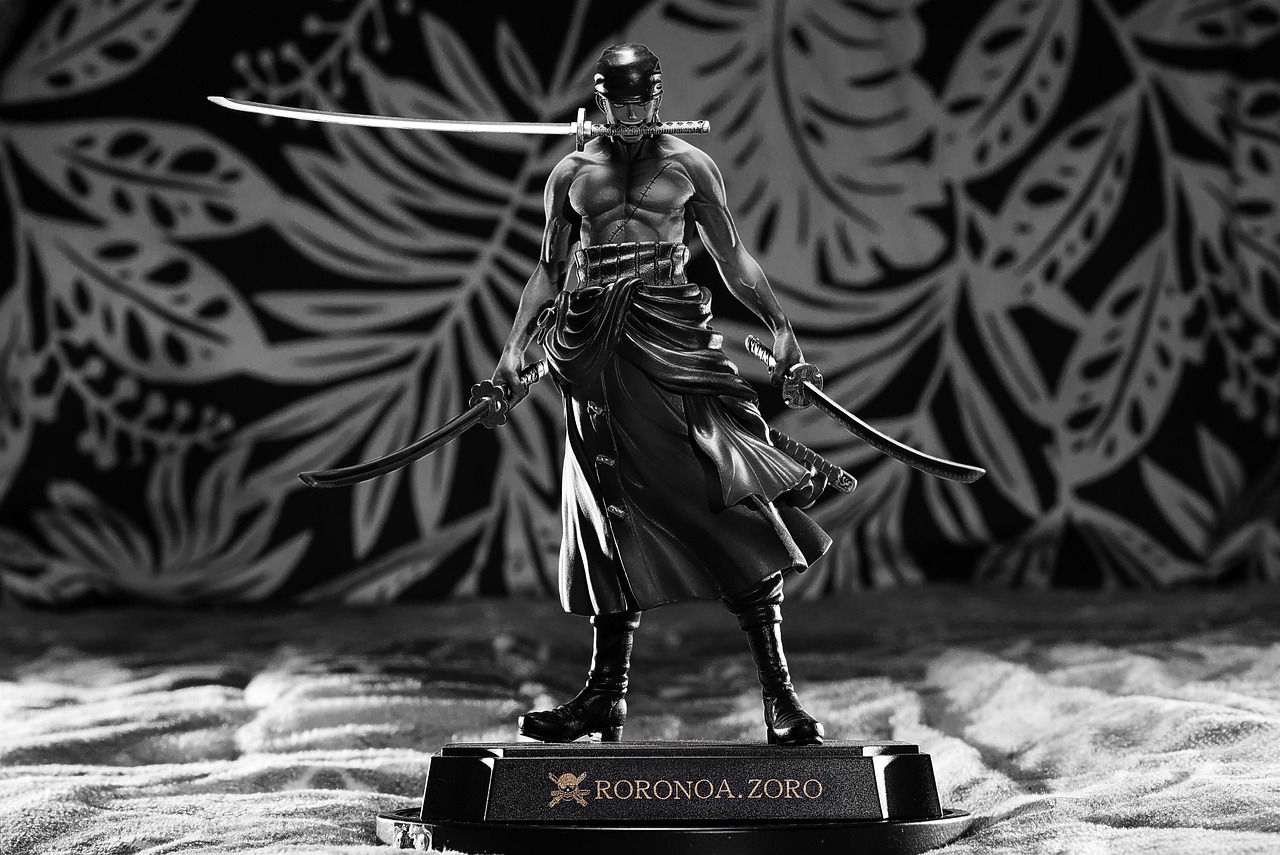
Cover photo by mianyan555 on Pixabay.