Incident Overview and Initial Findings
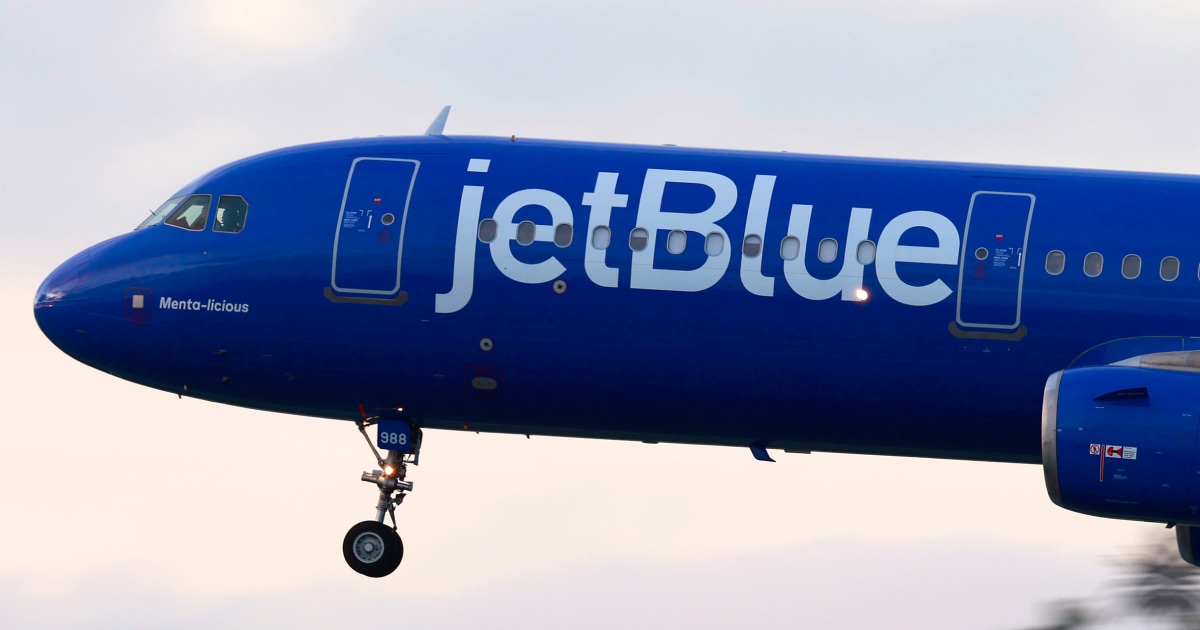
A JetBlue Airways flight, operating as Flight 948 from Las Vegas, reported a mid-air collision with an Unmanned Aerial System (UAS) during its final approach to John F. Kennedy International Airport (JFK). The encounter occurred at an altitude of approximately 3,000 feet, with the pilot describing the impact point directly above the cockpit during a turn, roughly two miles from cleared landing. The flight successfully landed at Terminal 5 without requiring emergency services, and post-flight inspections by JetBlue revealed no signs of structural or mechanical damage. The absence of visible damage suggests the impacting object was likely a lightweight consumer drone, a critical detail for the Federal Aviation Administration’s (FAA) ongoing investigation.
Expanding Drone Activity and Airspace Management Challenges
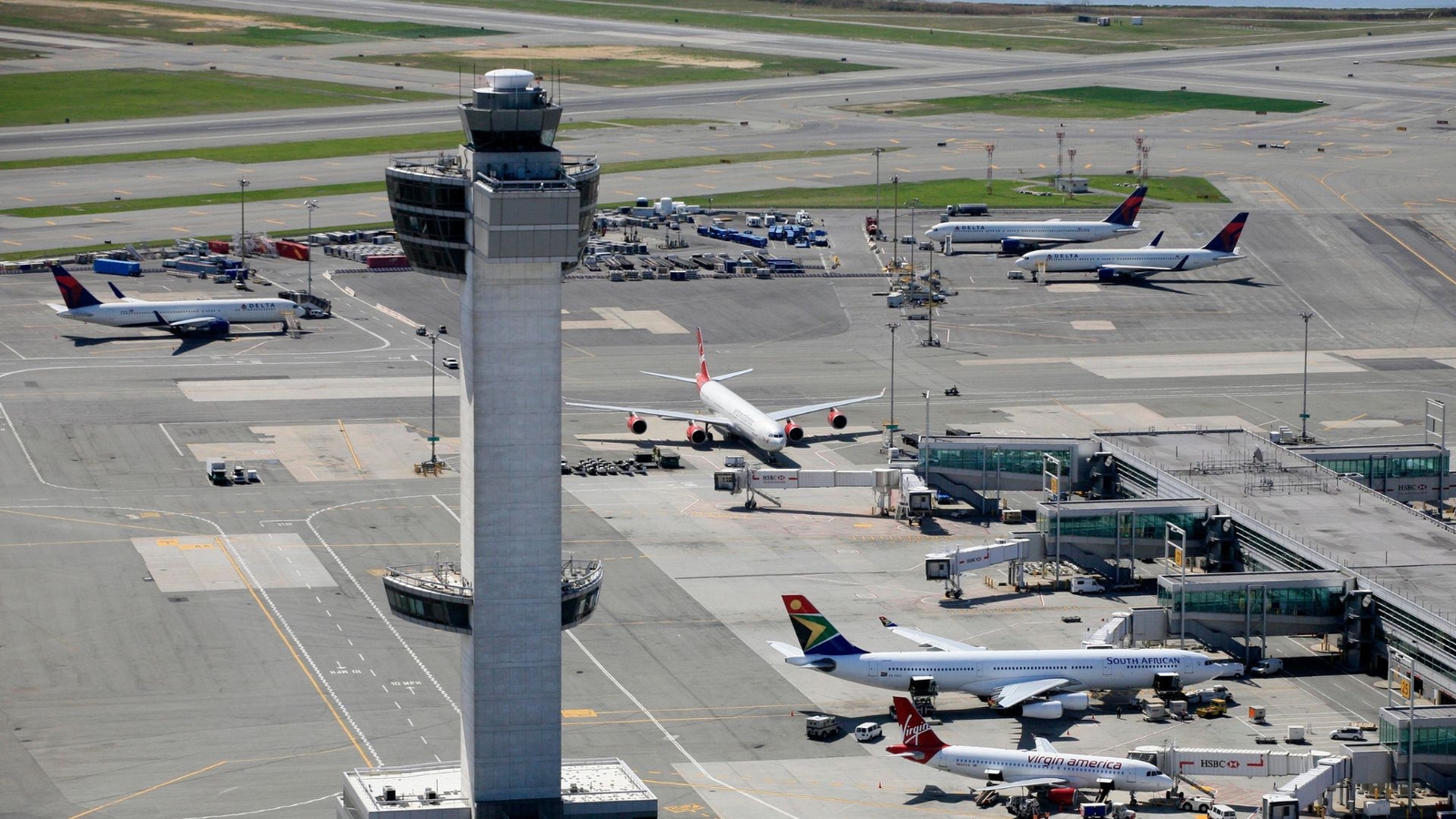
This incident underscores a persistent and growing issue: the increasing frequency of unauthorized drone operations in proximity to major airports. The FAA routinely logs over 100 monthly reports of drone sightings near airports nationwide, highlighting systemic challenges in enforcing restricted airspace. The recent JFK encounter, coupled with a similar report involving a United Airlines flight at Newark Liberty International Airport (EWR), emphasizes the recurring nature of these airspace incursions. Such events necessitate a critical re-evaluation of how commercial aviation stakeholders and regulatory bodies manage the convergence of civilian airspace and the rapid proliferation of consumer drone technology.
Institutional Response and Future Safety Protocols
JetBlue has pledged full cooperation with federal authorities, providing flight data and pilot testimony to aid the FAA’s investigation into the drone’s origin and nature. The FAA views this incident as a crucial data-gathering opportunity to assess the adequacy of current drone detection and enforcement mechanisms. The agency’s subsequent policy decisions may influence the integration of enhanced drone detection technology at major hubs, as current reliance on pilot reporting remains a reactive rather than proactive safety measure. The airline’s operational integrity was maintained, with the aircraft returned to service following its inspection.
Strategic Implications for Aviation Security and Regulation
The persistent threat of unauthorized drone sightings near commercial flight paths poses significant risks, including potential structural damage and engine ingestion. As drone technology becomes more accessible and sophisticated, the financial and operational burden of risk mitigation extends to both public and private sectors. Airlines face the challenge of balancing the costs of increased inspections and potential flight path adjustments against the imperative of maintaining stringent safety standards in congested urban airspaces. The outcome of the FAA’s investigation is anticipated to shape future safety protocols, potentially driving the adoption of more aggressive enforcement strategies and advanced surveillance technologies at critical airports, with broad implications for the aviation industry and drone manufacturers alike.
The Evolving Landscape of Urban Airspace Oversight
The recurrence of these incidents indicates that current regulatory frameworks are being outpaced by the rapid adoption of drone technology. Policymakers face increasing pressure to develop robust, real-time tracking and interdiction capabilities to safeguard vital flight corridors from unauthorized interference. The long-term consequences for both the aviation sector and the drone manufacturing industry hinge on effective policy development and technological implementation to ensure the secure integration of UAS into national airspace.