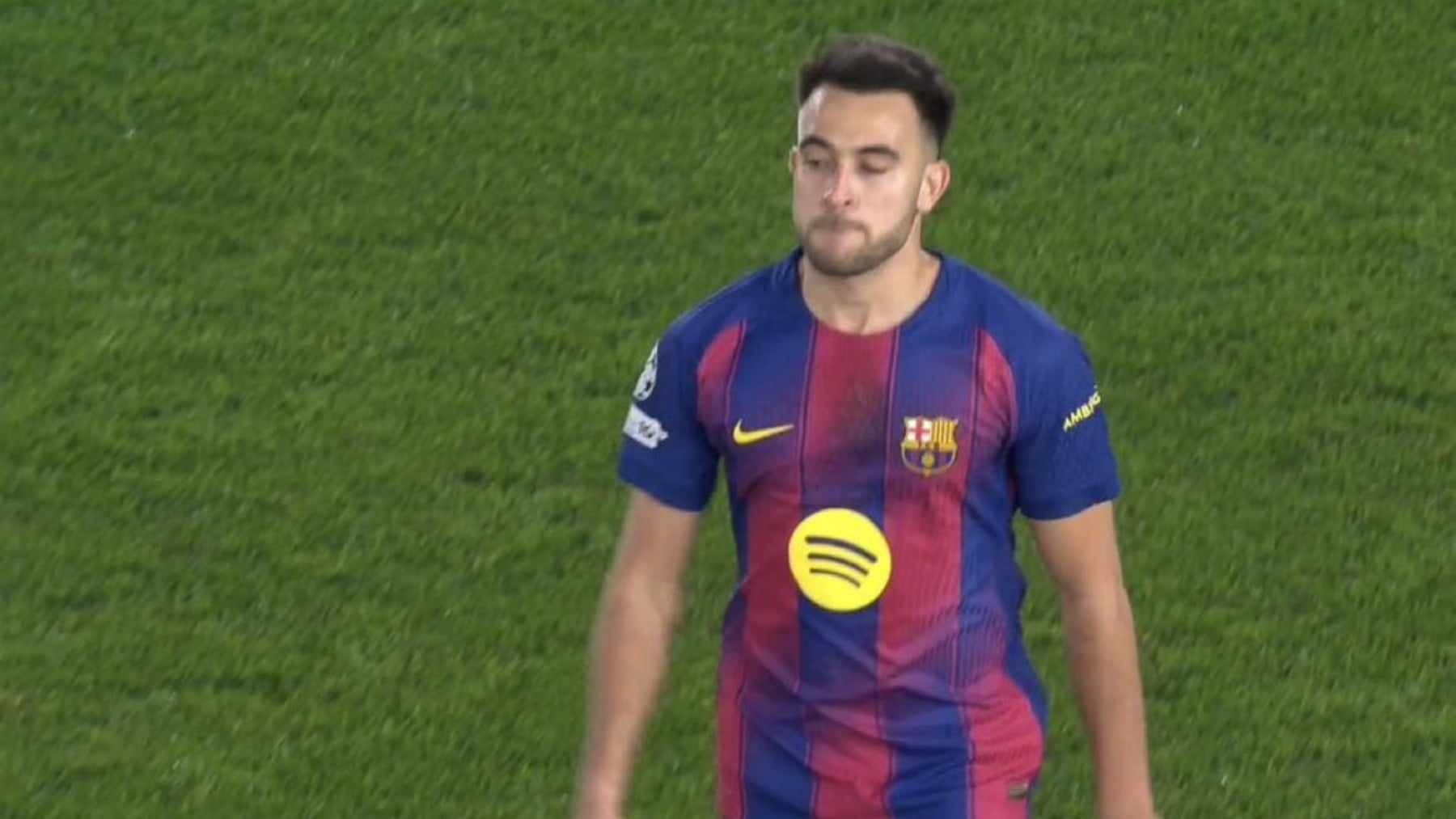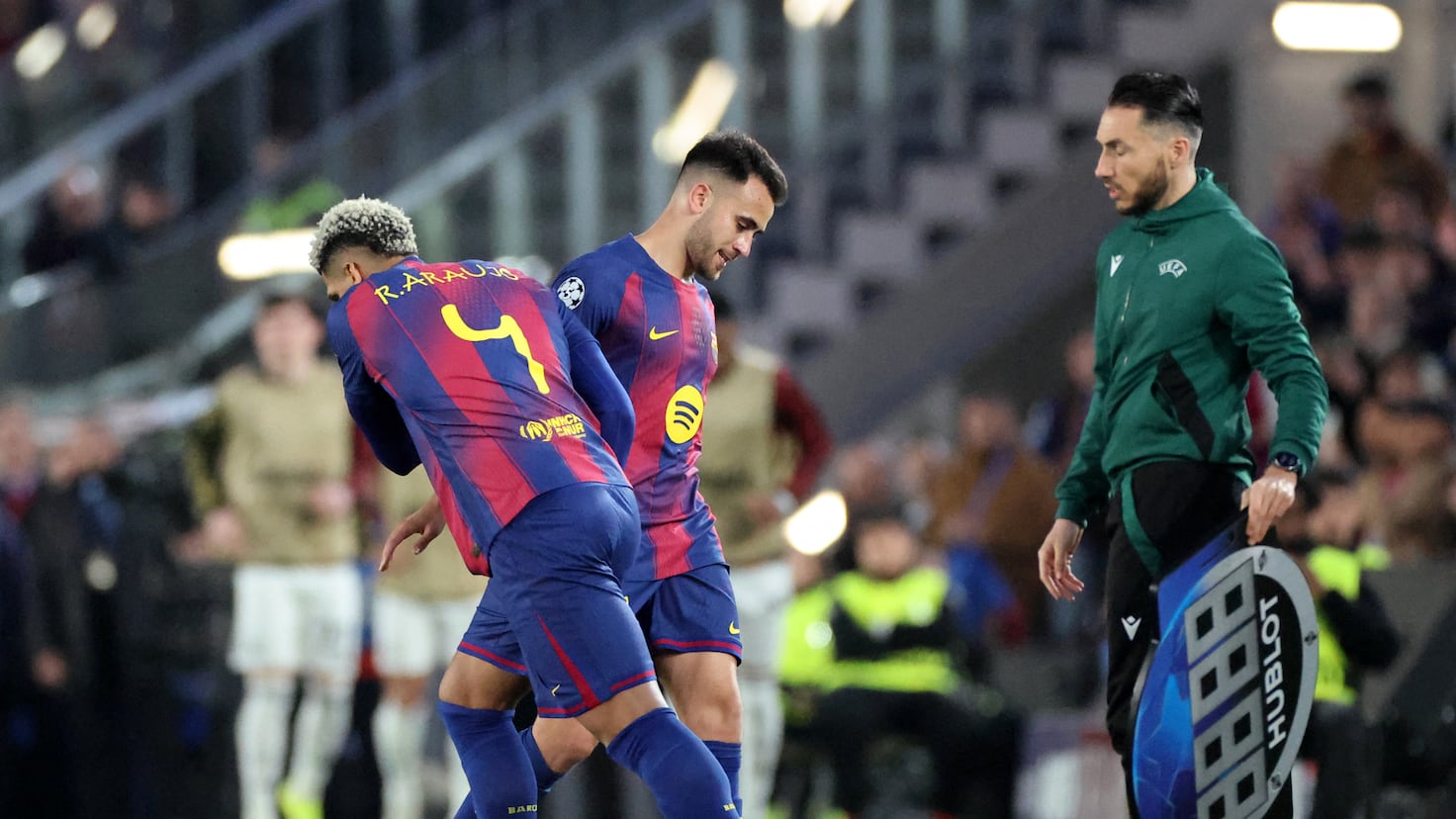
The tactical integrity of FC Barcelona suffered a catastrophic blow during the second leg of the Champions League Round of 16 against Newcastle United. Eric García, deployed as a makeshift right-back to compensate for existing absences, was forced to withdraw after just 20 minutes following a recurrence of a persistent hamstring injury. This setback serves as a critical indictment of the club’s return-to-play protocols and underscores a period of extreme structural vulnerability for Hansi Flick’s side.
The High Stakes of Premature Reintegration
García’s inclusion in the starting XI was a calculated gamble that failed to account for physiological readiness. Having missed recent fixtures against Sevilla and the first leg of the Newcastle tie, his immediate deployment in a high-intensity continental knockout environment proved premature. By prioritizing García’s tactical intelligence over medical caution, the coaching staff inadvertently triggered a relapse that now sidelines a high-value asset during the season’s most demanding phase.
The operational impact was immediate and disruptive. Ronald Araujo was thrust into the match without an adequate warm-up, a transition that heightened secondary injury risks and destabilized the defensive line’s leadership. While Araujo assumed the captaincy, the sudden shift in personnel compromised the team’s synchronization, leaving them susceptible to Newcastle’s rapid transition-based offense.
Defensive Depletion and the High-Line Risk
Barcelona’s defensive crisis is compounded by the simultaneous unavailability of Jules Koundé and Alejandro Balde. The lack of specialized lateral defenders has forced a reliance on makeshift configurations, severely limiting the team’s ability to maintain its signature high defensive line. Newcastle exploited this lack of cohesion; Anthony Elanga’s second goal, facilitated by a turnover from Lamine Yamal and an assist from Gordon, highlighted the consequences of a disorganized offside trap.
While young talents like Bernal offered offensive relief—scoring via a Gerard Martín assist—these contributions were neutralized by defensive fragility. The reliance on developmental prospects to solve veteran-level problems in the Champions League indicates a thinning margin for error as the club navigates domestic and European commitments with a depleted backline.
International Consequences and Professional Trajectory
The timing of the injury is particularly damaging for García’s international standing. With Luis de la Fuente set to announce the Spanish National Team squad this Friday, this recurrence effectively removes García from the selection pool. For a player vying for a definitive spot in the 2026 World Cup roster, losing this window of international exposure reduces his competitive leverage and forces the national team to explore more durable defensive alternatives.
This relapse will likely prompt an internal medical audit at Barcelona. The disconnect between clinical clearance and match-day performance suggests a systemic issue in load management. For the club, the financial stakes are equally high; defensive instability threatens their progression in the Champions League, a primary revenue stream essential for long-term fiscal stability. As the season enters its final stretch, the management of remaining defensive assets like Araujo will dictate whether Barcelona can sustain its competitive ambitions or succumb to physical attrition.