Tottenham Hotspur enters the decisive UEFA Champions League Round of 16 second leg against Atlético Madrid facing significant tactical impediments due to a confluence of key personnel losses, compounding the substantial three-goal aggregate deficit from the first fixture in Spain.
Critical Squad Attrition Undermines Tactical Flexibility
Interim manager Igor Tudor’s strategic options are severely curtailed ahead of the clash at the Tottenham Hotspur Stadium. The unavailability list impacts crucial positional anchors:
- Joao Palhinha: Confirmed absence due to injury sustained late in the first leg, removing the primary defensive midfield pivot.
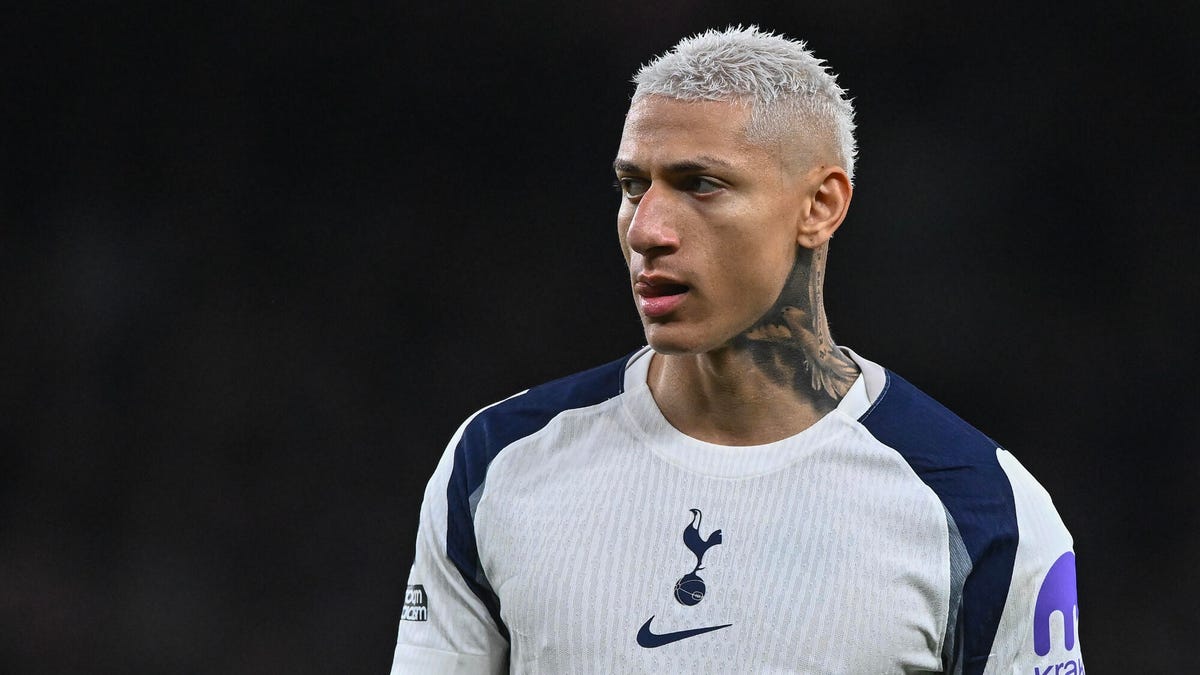
- Richarlison: Unavailable due to suspension (accumulated yellow cards), eliminating a primary forward outlet against a disciplined Atlético defense.
- Souza & Yves Bissouma: Both ruled out due to ineligibility, creating systemic gaps in the central unit requiring deployment of less match-ready combinations.
This attrition forces Tudor to utilize a player pool closely mirroring that of the recent draw with Liverpool, suggesting minimal scope for high-intensity tactical rotations required for a comeback mandate.
Doubts Over Gallagher and Solanke Jeopardize Offensive Depth
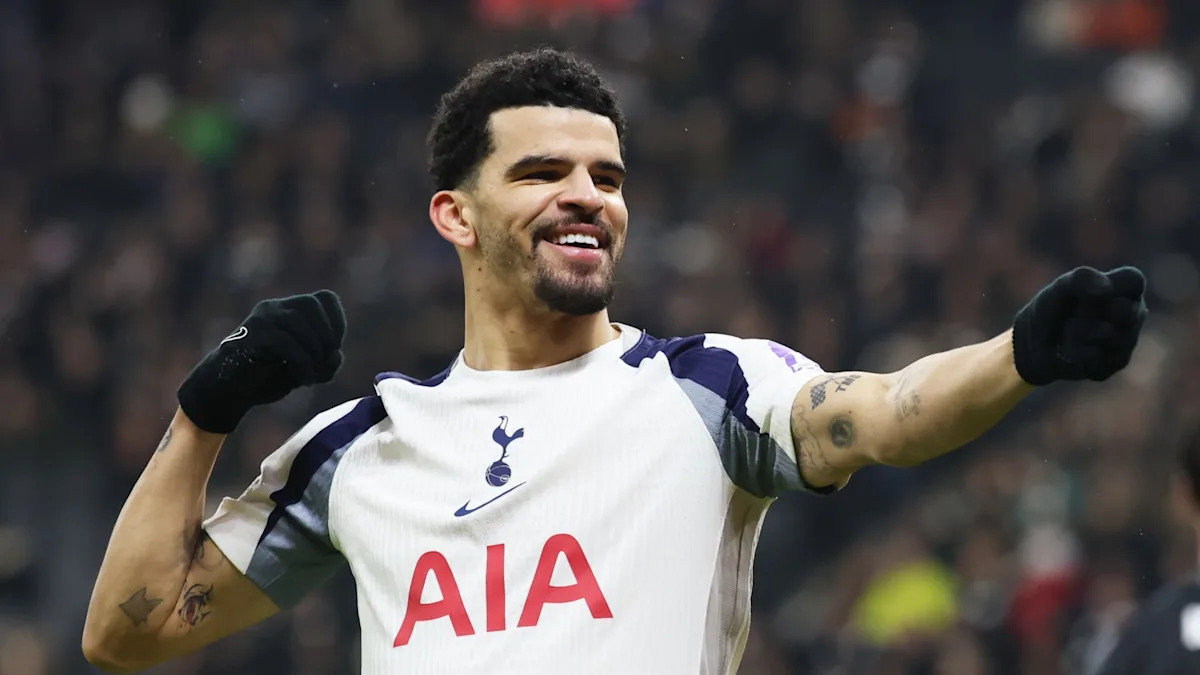
Further compounding selection issues are the doubtful statuses of Conor Gallagher (virus) and Dominic Solanke (minor physical issues). Should both be unavailable, the team loses vital transitional creativity (Gallagher) and a focal point for offensive hold-up play (Solanke), limiting options against Atlético’s compact defensive block.
Strategic Analysis of the First-Leg Defeat
The 5-2 aggregate deficit is a psychological and numerical hurdle. The rapid early collapse in Madrid (trailing 4-0 after 22 minutes) exposed fundamental vulnerabilities in defensive coordination and high-leverage decision-making.
The early substitution of goalkeeper Antonin Kinsky following errors and defensive miscommunication involving Micky van de Ven highlights structural frailties under immediate pressure. While Porro and Solanke secured two vital away goals, the match directly caused the subsequent concussion-related absences of Cristian Romero and Joao Palhinha.
Injury Rehabilitation vs. Performance Demands
The simultaneous impacts on Romero and Palhinha underscore the physical cost of the first match. Romero’s partial training participation suggests a focused rehabilitation for a defensive leader, contrasting with Palhinha’s isolated work, indicating disparate recovery timelines for two vital components. Tudor must weigh immediate selection necessity against the long-term fitness risk of rushing players post-trauma.
Atlético’s Stability vs. Spurs’ Instability
This UCL fixture occurs amid Tottenham’s ongoing domestic struggle in the Premier League relegation battle. The performance disparity between domestic survival efforts and continental ambition highlights structural inconsistencies under the current management.
Atlético Madrid arrives with superior recent form (one loss in eight competitive fixtures), suggesting tactical resilience directly contrasting Tottenham’s internal personnel disruption. Their strategy will pivot to disciplined game management, absorbing early Tottenham pressure and exploiting inevitable attacking voids.
Operational Imperatives for a Historic Turnaround
Tudor’s mandate is defined by the capacity to engineer a historic comeback despite resource scarcity. The required strategic pivot shifts from aiming for tactical superiority to maximizing efficiency from limited personnel, demanding an aggressive, high-risk offensive posture.
The necessity of rapid goal scoring dictates that the initial 20 minutes will be crucial. Any failure to breach the defense quickly risks anxiety permeating the home crowd, an emotional state Atlético is adept at capitalizing on. The structural home advantage is thus contingent upon immediate offensive execution, severely complicated by the identified personnel absences impacting creative and transitional output.