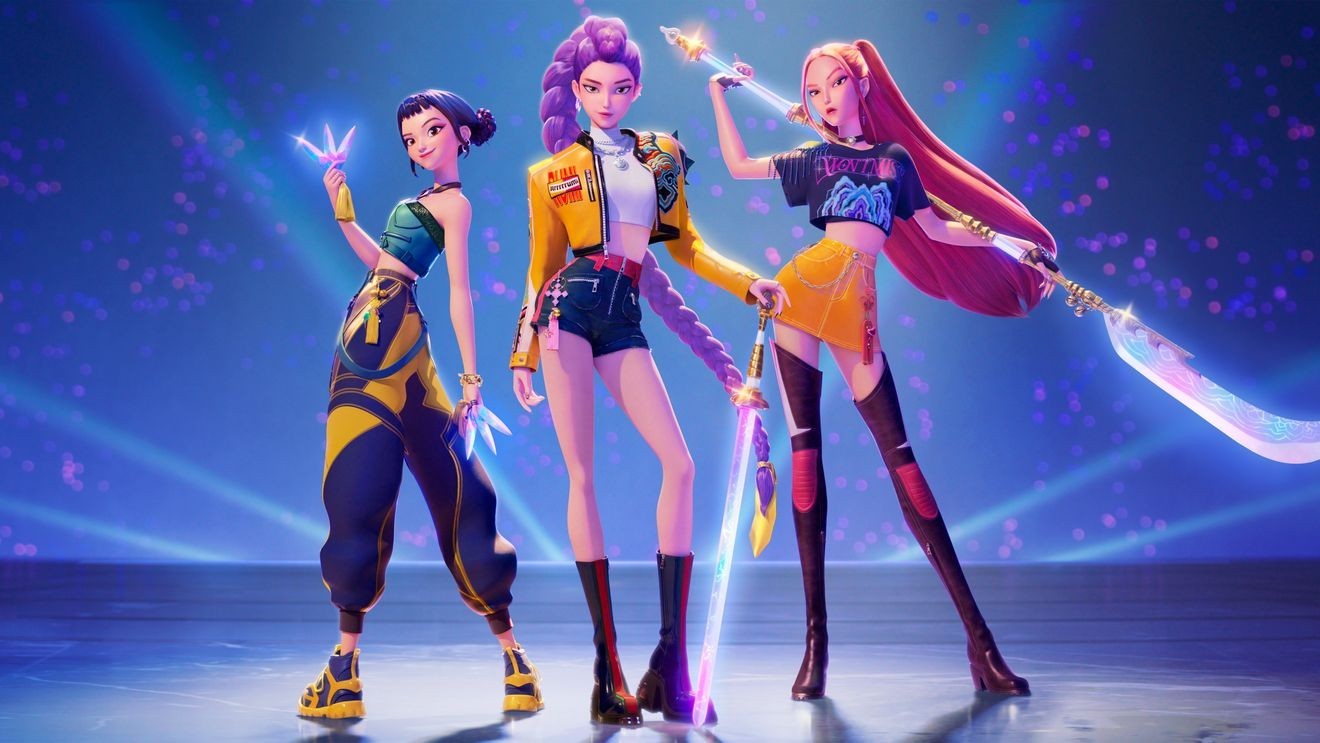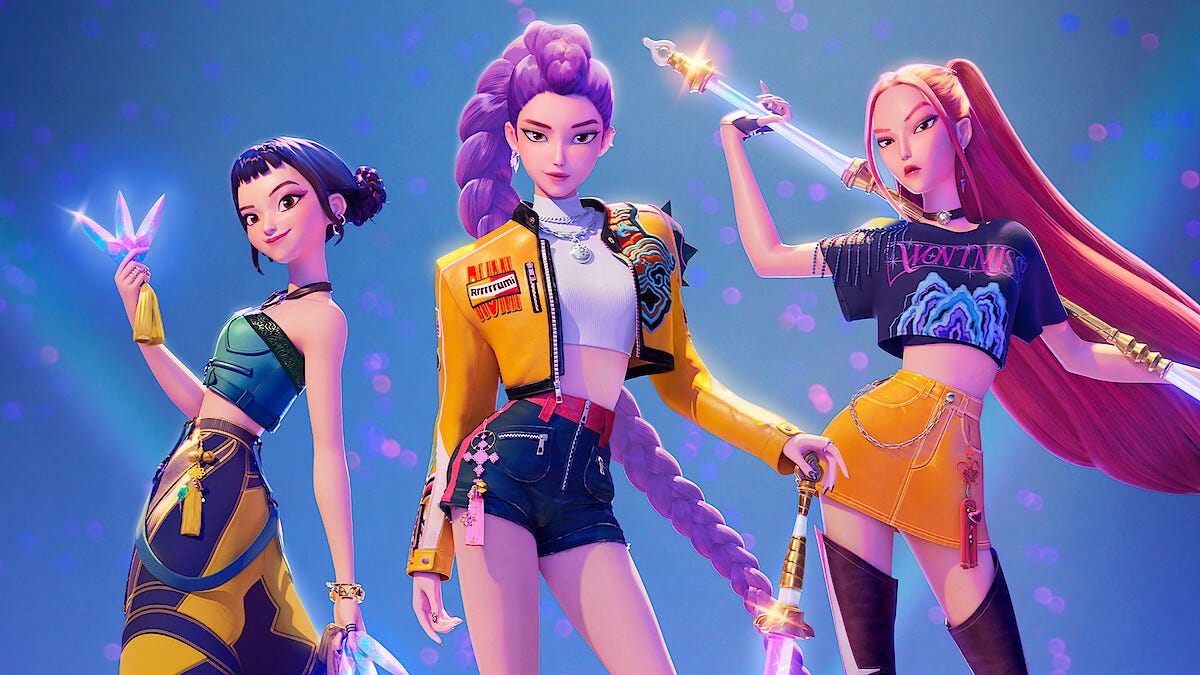
Netflix has authorized the expansion of its high-performing animated IP, K-Pop Demon Hunters, signaling a transition toward aggressive franchise securitization. This strategic pivot follows the original film’s emergence as the platform’s most-watched animated feature, a KPI that validates the high-yield potential of blending musical intellectual property with prestige animation. By tethering directors Maggie Kang and Chris Appelhans to a multi-year writing and directing agreement, Netflix is actively mitigating creative attrition and ensuring narrative continuity in an increasingly volatile streaming ecosystem.
Strategic Talent Retention and Cultural Capital
The multi-year arrangement with Kang and Appelhans shifts Netflix’s operational model from transactional, project-based hiring to institutional creative leadership. This commitment suggests that the K-Pop Demon Hunters IP is viewed as a foundational asset rather than a singular hit. For the creative leads, this stability facilitates long-term world-building and the maintenance of the stylistic integrity that secured the original’s critical acclaim. Maggie Kang’s focus on authentic Korean representation serves as a strategic differentiator, allowing Netflix to leverage localized cultural nuances to capture a globalized audience segment without diluting the brand’s artistic core.
Synergistic Monetization and Audio-Visual Integration
The franchise’s economic viability is underpinned by a sophisticated model of cross-platform monetization. The chart-topping performance of the lead single, ‘Golden,’ on the Billboard Global 200 illustrates the vertical integration of the film and music industries. This creates a self-reinforcing marketing loop: music streaming metrics drive platform viewership, which in turn boosts digital music sales. This synergy significantly reduces the marginal cost of customer acquisition for the upcoming sequel, as the built-in audience remains engaged through secondary sonic channels.
Furthermore, the original film’s award trajectory—including a Grammy, a Golden Globe, and an Oscar nomination—serves as a high-value endorsement that elevates the property into the realm of prestige media. These accolades function as critical performance indicators (CPIs), justifying increased capital allocation for production and marketing. The critical consensus, reflected in its 91% Rotten Tomatoes score, positions the sequel as a low-risk, high-reward investment for Netflix’s animation division.
Operational Lifecycle and Market Pacing
Drawing from the 2021–2025 development cycle of the first film, the sequel is expected to adhere to a high-intensity production timeline that prioritizes technical fidelity over immediate delivery. Netflix’s disciplined approach to the sequel’s release schedule indicates a focus on maintaining the franchise’s premium status. To manage the extended development phase, the platform is utilizing physical media releases, such as the Criterion Collection DVD and Blu-ray, to preserve brand relevance and provide a tangible touchpoint for a digital-first demographic.
Competitive Positioning and Institutional Validation
The partnership with the Criterion Collection marks a rare instance of archival validation for a streaming-native title. This move transitions the film from ephemeral ‘content’ to permanent ‘cinema,’ providing Netflix with a defensive hedge against digital asset devaluation. By establishing K-Pop Demon Hunters as a contemporary classic, Netflix secures a competitive advantage over traditional studios, proving its ability to scale culturally specific narratives into enduring global franchises. The sequel will likely serve as the vanguard of this ‘sequel era,’ focusing on the Huntrix group to capitalize on existing character equity and reduce creative friction in future iterations.