Analysis of Day 11 Performance Volatility and Medal Shifting Dynamics
The intermediate phase of the Milano Cortina 2026 Winter Games highlights significant divergence in national performance trajectories, evidenced most sharply in women’s figure skating and men’s freestyle Big Air.
Figure Skating: Technical Execution vs. Component Scores
The US figure skating contingent faces an immediate strategic inflection point. Amber Glenn’s 13th-place standing post-short program, primarily attributed to a critical, high-value jump error, necessitates near-flawless execution in the free skate merely to salvage a top-ten finish. This deficit underscores the non-recoverable weight of technical errors in the short program segment.
Conversely, Alysa Liu’s third-place buffer offers the US a tangible hardware pathway. Isabeau Levito’s 8th place reflects an accumulation of minor execution deductions rather than a singular catastrophic error.
Contrastingly, Japanese skaters (Ami Nakai, Mone Chiba) demonstrated superior program stability. Nakai’s clean technical profile prioritized execution security. Chiba Mone’s performance, utilizing non-traditional musical interpretation, suggests a coaching emphasis on maximizing program component scores—a successful hybrid strategy when technical base value is secured.
Freestyle Skiing: Risk Assessment in Big Air
The men’s Big Air final illustrated the fine margin between gold and silver. Norway’s Tormod Frostad secured gold by strategically holding a decisive, high-scoring run until the final attempt, maximizing pressure on the field.
Mac Forehand’s silver medal resulted from an aggressive late-stage technical escalation (scoring 98.25), signifying a calculated risk that fell marginally short. The depth of US freestyle (Podmalseki 4th, Ralph 5th) confirms strong talent pipelines, yet exposes a gap in converting high potential into definitive podium finishes against peak international performance.
Overall Medal Tally Shifts and Program Efficiency Gaps
Norway has established a dominant benchmark with 31 total medals, indicating early success across diverse, high-yield disciplines. The US remains third with 21 medals, necessitating immediate recalibration toward securing high-value remaining events.
Speed Skating and Bobsled: Systemic Failure to Peak
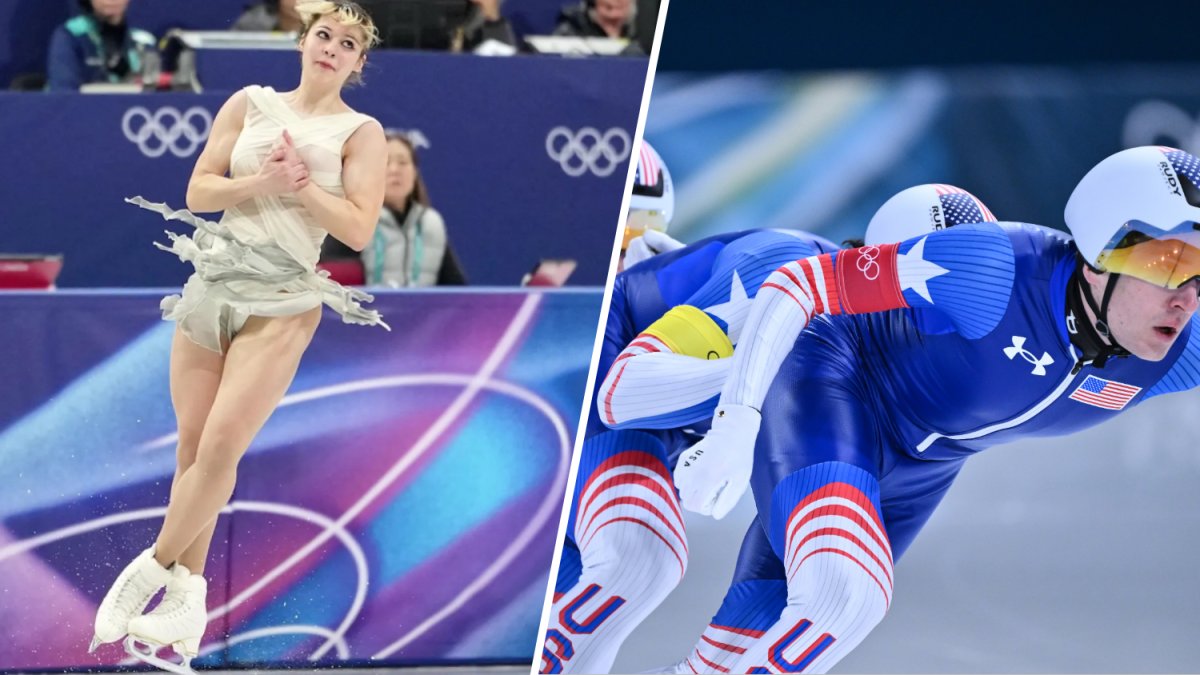
The pursuit team events revealed critical operational deficiencies. The US men’s speed skating silver against Italy, where the Italian team broke the US national record, suggests a failure in optimizing race-day pacing against a rival hitting peak form precisely during the final.
Similarly, the US women’s failure to medal in Final B against Japan confirms execution instability in high-leverage elimination rounds. The fourth-place finish in two-man bobsled mirrors this trend—near podium performance indicative of systemic inability to decisively outperform established international medal contenders.
Forward Trajectory: Hockey and Weather Impact
The immediate focus pivots to the men’s hockey quarter-final against Sweden, a must-win scenario that contrasts sharply with figure skating’s recovery potential. This elimination match is a primary determinant of US hardware expectations.
Logistical disruption from heavy snow in Livigno, postponing women’s snowboard slopestyle, introduces an exogenous variable. Schedule compression from this and other weather-related delays demands enhanced athletic resilience and adaptive logistical support from National Olympic Committees.
Concluding Metrics and Competitive Benchmarks
Norway’s diversified strength provides insulation against single-event underperformance. The US performance profile shows excellent depth (multiple top-five finishes) but a concerning deficit in converting these into gold medals against established rivals. The progression into elimination rounds (hockey, curling tiebreakers, short-track sprints) will dictate the final medal table distribution, amplifying the stakes for synchronized team events like relays.