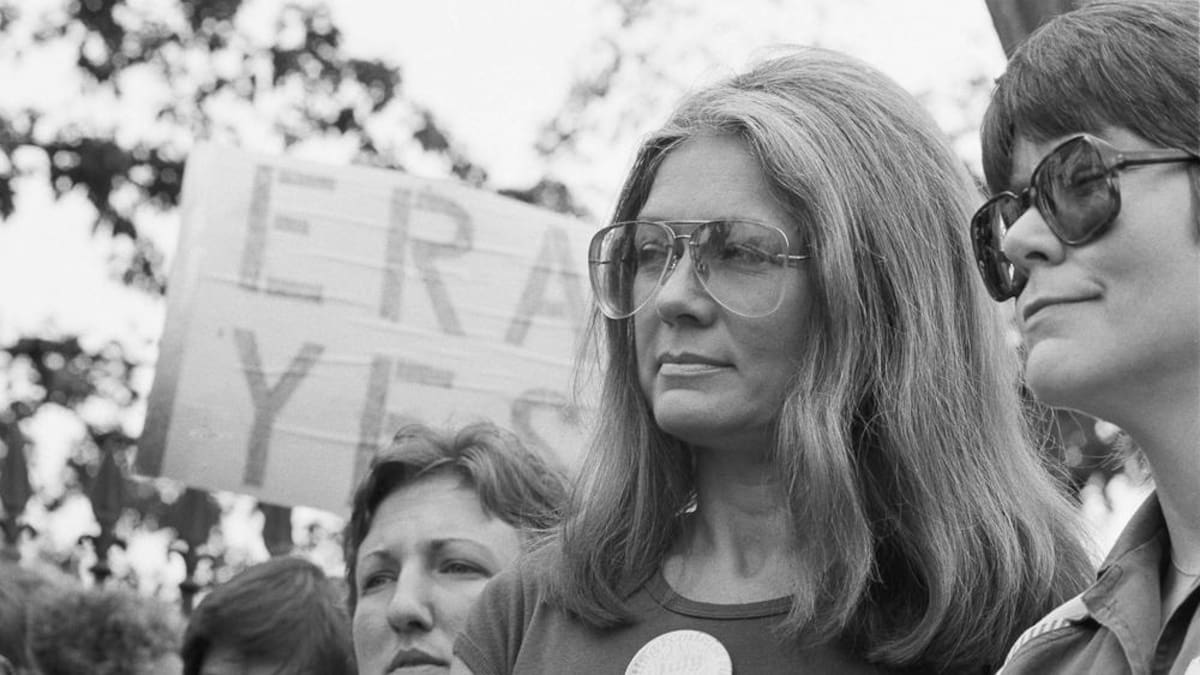
The passing of Gloria Steinem at age 92 concludes a nearly century-long tenure that fundamentally restructured the intersection of gender, labor, and political agency. Her death signals a pivotal transition for the social justice movements she helped institutionalize, shifting the burden of advocacy from personal charisma to established organizational frameworks.
Institutionalizing Grassroots Advocacy
Steinem’s career was defined by a strategic evolution from journalistic observation to the construction of durable institutional infrastructures. By acting as a primary catalyst for movements targeting reproductive autonomy and workplace stratification, she successfully migrated social discourse from the periphery of public life to the center of legislative and corporate policy. This shift ensured that feminist goals were not merely cultural trends, but embedded structural requirements within modern governance.
The dissemination of her passing via official digital channels underscores a sophisticated management of historical legacy. This controlled narrative alignment reflects her lifelong commitment to transparency and the intentional use of media as a tool for movement stability.
Spatial Governance: The Architecture of Horizontal Dialogue
A critical, yet often overlooked, operational contribution was Steinem’s implementation of ‘Talking Circles.’ By repurposing her private residence as a site for decentralized communication, she challenged traditional hierarchical power dynamics. This model prioritized horizontal exchange and psychological safety, creating a blueprint for modern peer-to-peer advocacy networks now utilized by global NGOs to foster grassroots leadership.
This strategic utilization of domestic space effectively blurred the distinction between the private sphere and the public political arena. These circles functioned as incubators for radical intellectual development, ensuring that marginalized perspectives were synthesized into broader strategic planning rather than being excluded by top-down leadership structures.
Economic Structuralism and Labor Reform
Steinem’s advocacy regarding workplace inequality addressed the materialist foundations of gender oppression. Her focus on structural wage gaps and discriminatory hiring moved beyond symbolic representation toward a demand for total financial autonomy. The long-term impact of this work is evident in the current regulatory frameworks governing corporate diversity, where gender equality is increasingly framed as a prerequisite for economic efficiency.
Furthermore, her integration of domestic violence prevention with economic stability initiatives forced a systemic reevaluation of the legal protections afforded to women. By identifying the intersection of physical safety and financial independence, Steinem’s work targeted the economic cycles that perpetuate systemic abuse.
Intellectual Property as Cultural Leverage
The scheduled release of her memoir, An Unexpected Life, on September 22, serves as a final act of strategic intellectual leverage. The publication provides a primary source for the internal dynamics of 20th-century activism and offers a roadmap for the 21st-century evolution of the movement. By timing the release to follow her passing, the text functions as a foundational document for historical synthesis, ensuring her reflections are integrated into the academic and political record of social change.
The Resilience of Institutional Continuity
As leadership transitions to entities like the National Organization for Women and Gloria’s Foundation, the movement faces a test of organizational resilience. Steinem’s leadership model—grounded in the empowerment of the collective rather than the centralization of authority—was designed to be self-sustaining. The future of her legacy now rests on the ability of these institutions to navigate a complex geopolitical landscape while maintaining the core principles of equity and justice she championed for decades.