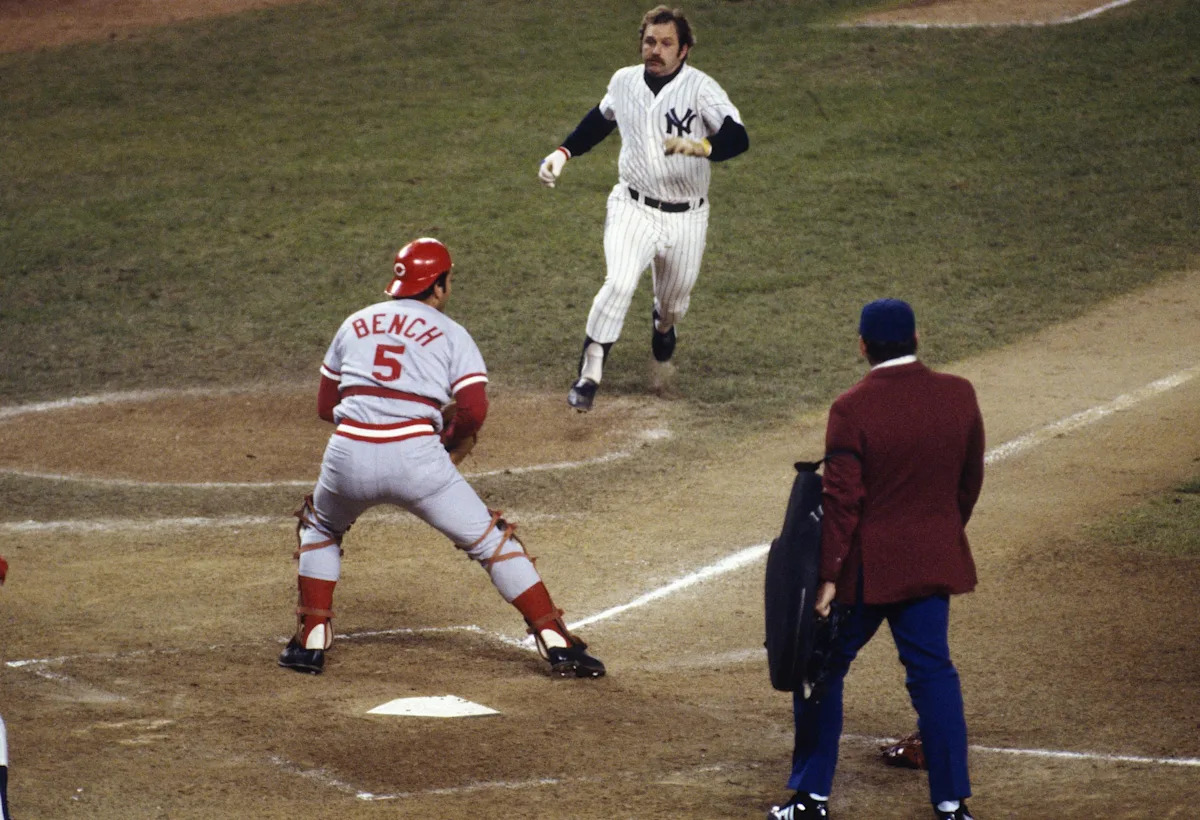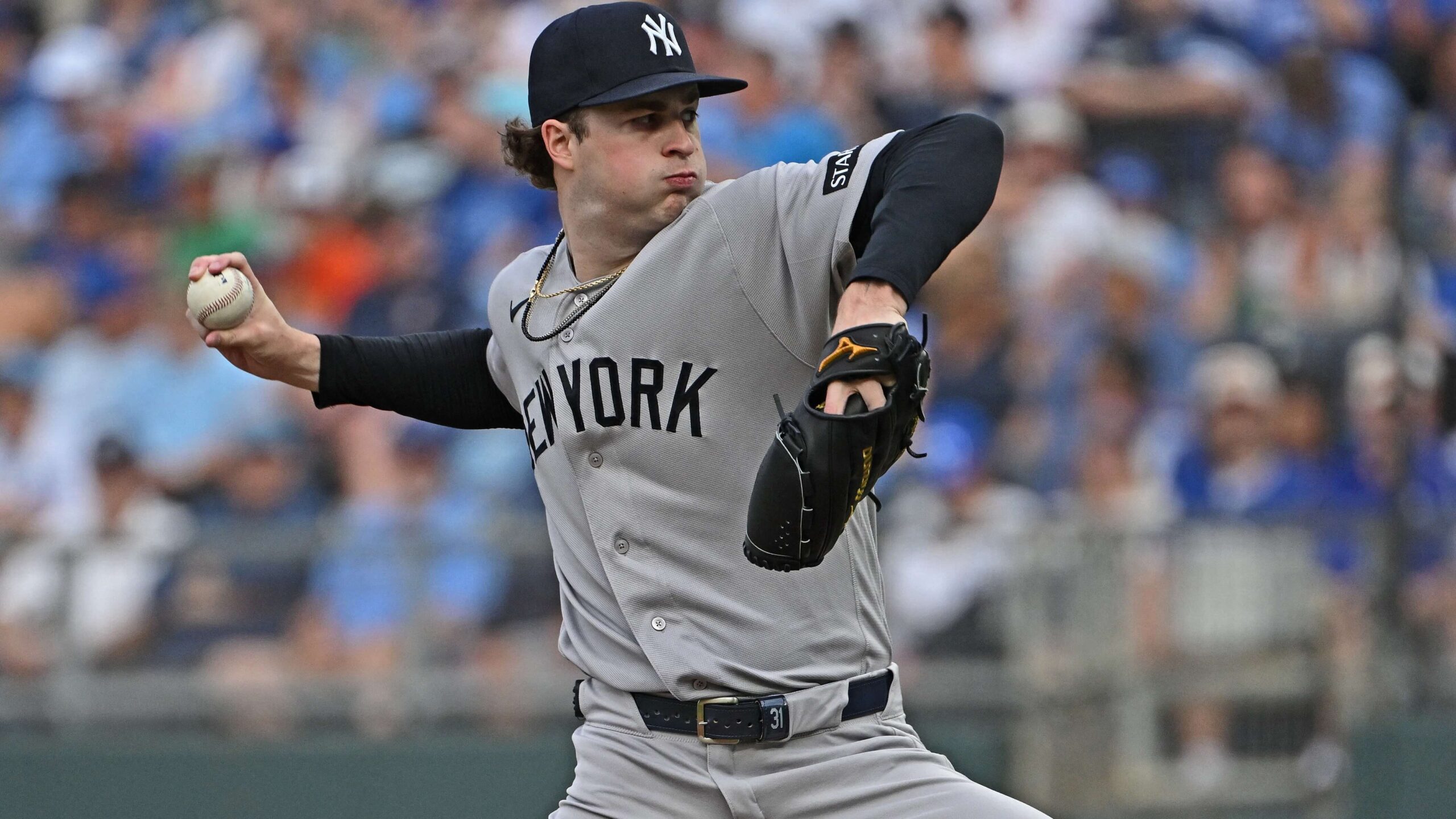
The interleague clash between the New York Yankees and the Cincinnati Reds at Yankee Stadium serves as a prime study in rotational stability versus developmental volatility. While the Yankees enter the Bronx buoyed by offensive momentum, the series narrative is dictated by a massive statistical chasm in starting pitching efficiency.
Cam Schlitter has solidified his status as a frontline starter, supported by a 3.8 bWAR that ranks among the MLB elite. This high floor of performance grants New York a significant tactical advantage, particularly against a Cincinnati offense grappling with a structural void. The absence of Elly De La Cruz—sidelined since June with a hamstring strain—strips the Reds of their primary high-leverage threat and defensive anchor at shortstop.
Analytical Breakdown: Lowder’s Command vs. Yankees’ Discipline
Rhett Lowder enters this matchup facing severe analytical headwinds. Currently languishing in the 25th percentile for expected ERA (xERA) and strikeout rate, Lowder’s profile suggests high vulnerability. His metrics indicate that outs are often the result of defensive luck rather than deceptive movement, a dangerous proposition against a Yankees lineup that leads the league in home walk percentage.
Lowder’s recent return from a month-long hiatus due to shoulder discomfort adds physical uncertainty. Although his last outing displayed improved zone command, his low chase rate remains a liability. Against a New York offense that excels at punishing strikes and ignoring chase pitches, Lowder’s lack of deception creates a high probability of early-inning damage.
Schlitter’s Run Suppression and Resource Management
Cam Schlitter’s efficacy is optimized against bottom-tier offenses; in seven starts against units in the lower half of OPS rankings, he has maintained a stifling 1.69 ERA. This trend bodes poorly for the Reds, who have regressed offensively on the road against right-handed starters. Schlitter’s ability to work deep into games not only maximizes win probability but also preserves high-leverage bullpen arms for the remainder of the series.
Offensive Reconfiguration and Roster Volatility
Cincinnati’s post-De La Cruz identity relies heavily on rookie Sal Stewart and veteran Nathaniel Lowe. Stewart has emerged as a necessary power source with 28 extra-base hits, yet his lack of experience in high-pressure environments like the Bronx remains an untested variable. Conversely, the resurgence of JJ Bleday—a low-risk acquisition outperforming expensive veterans like Eugenio Suárez—highlights the Reds’ shift toward performance-based roster construction over historical reputation.
The Yankees’ offense enters with significant momentum, recording double-digit runs in two of their last three contests. Their patient approach directly exploits Lowder’s primary weakness: an inability to find the fringes of the strike zone. Ranking second in overall OPS and third in wOBA, the New York lineup creates a compounding effect that rapidly inflates opposing pitch counts.
Market Valuation and Betting Metrics
The betting markets reflect this disparity, positioning the Yankees as heavy -260 favorites. The -1.5 run line (priced between -125 and -135) suggests that analysts expect a multi-run margin of victory. While the 8.5 over/under total reflects New York’s explosive potential, Schlitter’s history of run suppression against struggling lineups suggests the ‘under’ may hold hidden value for those betting on a pitching clinic.
Conclusion: Institutional Depth as a Decisive Factor
This series highlights the divide between a championship contender with rotational depth and a rebuilding club hampered by injuries to generational talents. For the Yankees, the objective is to leverage Schlitter’s consistency to solidify their American League standing. For the Reds, success depends on tactical execution and Lowder’s ability to defy his underlying metrics in one of the league’s most demanding environments.