Structural Shift in Olympic Hockey Composition
The upcoming Winter Olympics are set to feature the return of National Hockey League (NHL) players to the men’s tournament for the first time since 2014. This reinstatement of professional league participation fundamentally alters the competitive dynamic of the event, shifting it from a tournament primarily featuring players from international leagues or domestic developmental systems to one incorporating the highest echelon of active professional talent.
This structural modification carries significant implications for national team composition and the competitive hierarchy recognized by international sports markets. The presence of NHL players inherently raises the baseline quality and experience level available to participating nations whose players are rostered within the league structure.
Market Expectations and Pre-Tournament Positioning
In response to the confirmed participation of NHL athletes, traditional powerhouses have immediately resumed their expected positions regarding pre-tournament assessments. Specifically, Canada and the United States have been cited as occupying the top positions on the gold medal betting odds board.
This alignment reflects a recognition by wagering markets of the established player development pipelines and the depth of talent pool accessible to these two nations when utilizing their full contingent of NHL-affiliated players. The odds board functions as a formalized reflection of perceived institutional capability based on roster availability, independent of actual on-ice performance in the future event.
Strategic Storylines for Contenders
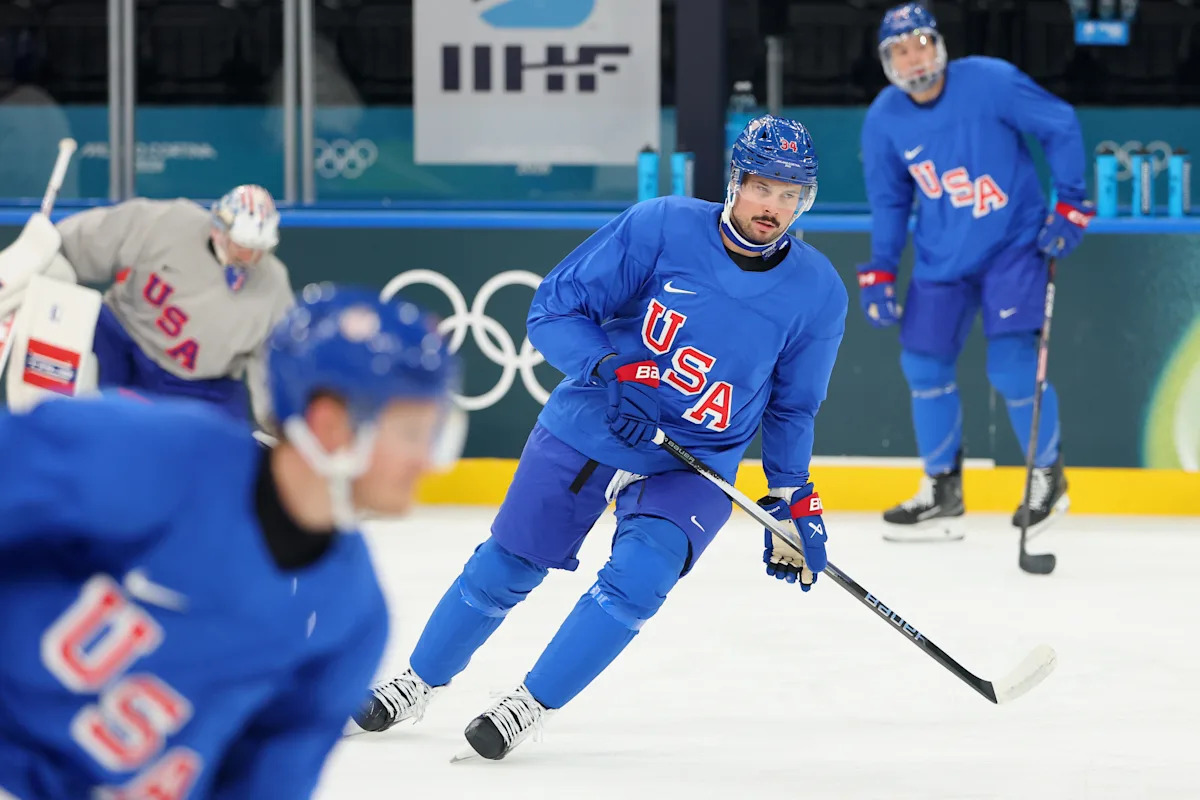
For national programs aiming for the gold medal, the reintroduction of NHL participation frames specific areas of strategic importance. Among the recognized storylines influencing the prospects of teams like the United States men’s squad is the element of “strength in net.”
In high-stakes, short-format international tournaments, goaltending performance often transcends standard roster valuation due to the compressed schedule and the necessity of achieving instantaneous team cohesion. The ability of a national program to secure elite goaltending—often derived from NHL starting or backup positions—is a critical factor in managing offensive pressure from highly skilled opponents.
This narrative thread underscores that while player quantity from the NHL is important, the quality of personnel in specialized, high-leverage positions remains determinative of overall team efficacy.
Institutional Context of Player Participation
The shift back to including NHL players represents a policy realignment within the structure of international ice hockey governance, specifically involving the International Olympic Committee (IOC) and the National Hockey League’s internal operational planning. The previous absence of NHL players created a distinct competitive environment, necessitating different evaluation standards for national team construction.
The reintegration requires national federations to navigate complex administrative timelines related to player releases, insurance coverage, and conflict management between league commitments and international duty periods. This administrative overlay ensures that the standard set for participation is defined not just by sporting merit but also by complex inter-organizational agreements between professional sports leagues and amateur sporting bodies.
Analyzing the Competitive Hierarchy
The immediate establishment of Canada and the U.S. as primary contenders points to a structural reality: historical success in international hockey is strongly correlated with the capacity to draw from the most robust professional development system, which is currently situated primarily within North American professional leagues.
This dynamic highlights the stratification within global ice hockey talent distribution. While other nations possess highly capable players operating in various European leagues, the concentration of elite talent within the NHL often provides a quantitative advantage that translates directly into pre-event market assessments, such as betting odds.
The narrative surrounding the U.S. men’s team specifically focusing on gold medal aspirations, coupled with the identification of goaltending as a key factor, suggests a strategic focus on optimizing existing organizational strengths within the context of the newly elevated competitive field.
Implications for Tournament Narrative Density
The return of NHL talent also intensifies the media and public narrative focus surrounding the event, increasing the perceived stakes. The inclusion of players currently performing at the highest professional levels transforms the Olympic tournament from a showcase of international league parity into a direct, albeit periodic, confrontation between the NHL’s elite and other world-class players.
This heightens the importance of early tournament management, as teams with less immediate access to NHL-level chemistry must rapidly integrate disparate skill sets against established professional combinations. The condensed nature of the Olympic format amplifies the impact of any initial strategic missteps.
Operationalizing Pre-Event Indicators
The function of betting odds, in this context, serves as a proxy for institutional assessment regarding roster construction constraints and advantages. When assessing the odds, the market is calculating the projected expected value of rosters composed of the best available talent, factoring in elements like synergy, experience in high-pressure scenarios, and positional depth.
The consistency with which Canada and the U.S. occupy the top slots indicates that, regardless of specific roster construction decisions leading up to the event, the underlying structural advantage conferred by their respective talent pools remains the dominant factor in predictive modeling. This stability in pre-event positioning is a key feature of markets dealing with recurring international competitions where talent stratification is relatively consistent across cycles.