Operational Challenges and Weather Pressures in the Bronx
As the New York Yankees prepare to host the Atlanta Braves at Yankee Stadium, meteorological conditions introduce immediate operational volatility for team management, venue logistics, and broadcast schedules. Weather forecasts indicate a high probability of convective activity, with precipitation models projecting significant thunderstorm coverage during the critical pre-game and early-game windows. These environmental variables disrupt standard preparation timelines for both coaching staffs, forcing adjustments in batting practice routines and pitching warm-up schedules.
For stadium operations and broadcast partners such as the YES Network and streaming distributors like DIRECTV, impending weather creates complex scheduling and revenue preservation challenges. Live television windows depend on predictable game cadence to capture target viewership demographics and maximize advertising yield. A protracted rain delay compresses commercial pacing, introduces logistical strain for stadium personnel managing crowd flow, and tests the resilience of multi-platform distribution frameworks.
Strategic Roster Realignment and Competitive Positioning
The series arrives at a pivotal juncture for the New York franchise, which has experienced mixed performance metrics following the recent trade deadline and strategic roster integrations. While front office decisions favored selective transactions rather than broad market restructuring, the introduction of top prospect George Lombard Jr. signals a deliberate pivot toward organizational renewal. Early observations of younger talent, highlighted by productive initial appearances, underscore the delicate balance front offices must maintain between immediate competitiveness and long-term asset development.
Concurrently, the franchise navigates the operational fallout of key player injuries and defensive performance evaluations that influence overall team stability. Health updates regarding foundational contributors dictate tactical flexibility for the managerial staff, directly impacting lineup construction and tactical depth during high-stakes series. Analytical scrutiny surrounding individual player execution reflects broader organizational pressures to correct structural vulnerabilities before the demanding autumn stretch of the season.
Analyzing the Visiting Opponent and Pitching Dynamics
The visiting Atlanta Braves present a formidable competitive hurdle, having established firm control over the National League East standings with commanding divisional margins. Driven by strong collective metrics across both run-prevention systems and offensive productivity, the visiting roster exemplifies sustained excellence across foundational operational units. Key individual contributors, including standout pitching performances and reliable run production, provide the visiting club with significant strategic leverage entering the Bronx engagement.
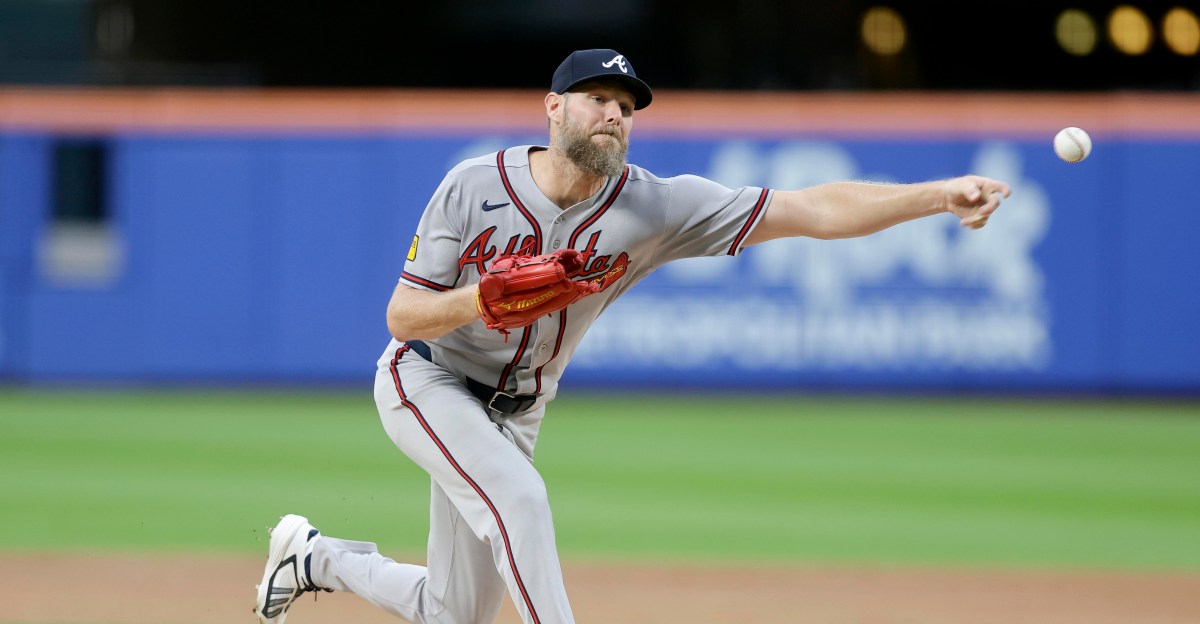
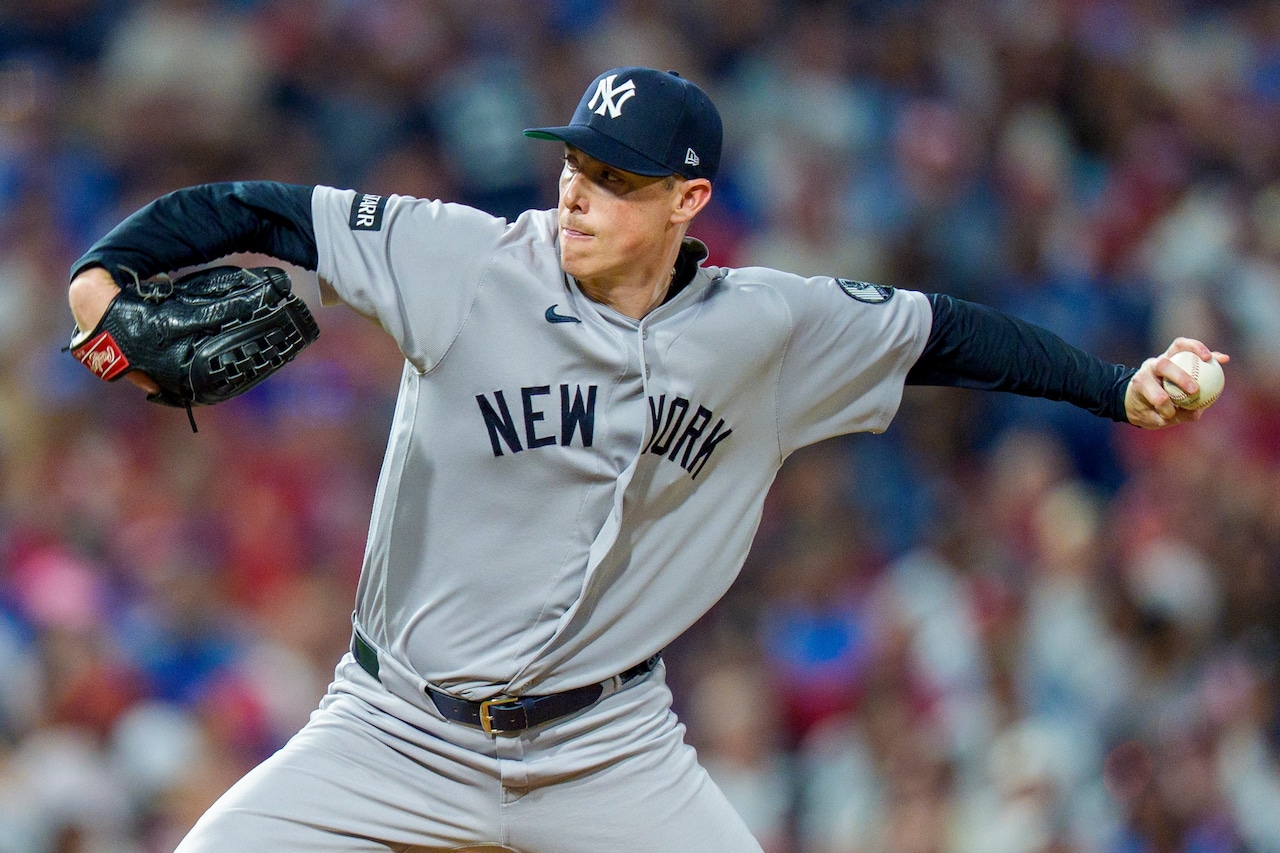
The scheduled pitching matchup between Max Fried and Tyler Mahle adds a compelling layer of narrative and strategic complexity to the weekend series opener. For Fried, the appearance marks a notable professional milestone against the organization where his Major League career developed, introducing psychological and competitive dynamics into the tactical preparation. Such pitching duels test the analytical preparedness of opposing hitters, who must decode familiar tendencies while managing the unpredictable variables of a rain-affected playing surface.
Ecosystem Implications of Media Distribution and Fan Engagement
The commercial delivery of this series highlights the evolving economics of regional sports networks and digital streaming partnerships in professional baseball. Distribution models relying on traditional cable outlets paired with digital streaming trials reflect the ongoing industry transition toward hybrid viewership options. Stakeholders across the broadcasting ecosystem closely monitor these high-profile matchups to gauge subscriber acquisition trends and consumer retention efficacy during peak competitive windows.
Ultimately, the convergence of meteorological disruptions, roster evolution, and high-level divisional competition underscores the multifaceted nature of modern Major League Baseball operations. Front offices, coaching staffs, and media conglomerates must continuously adapt to variable conditions that influence both immediate financial performance and long-term competitive trajectories. As the series unfolds in the Bronx, the broader institutional responses to these compounding pressures will resonate across the broader sports industry landscape.