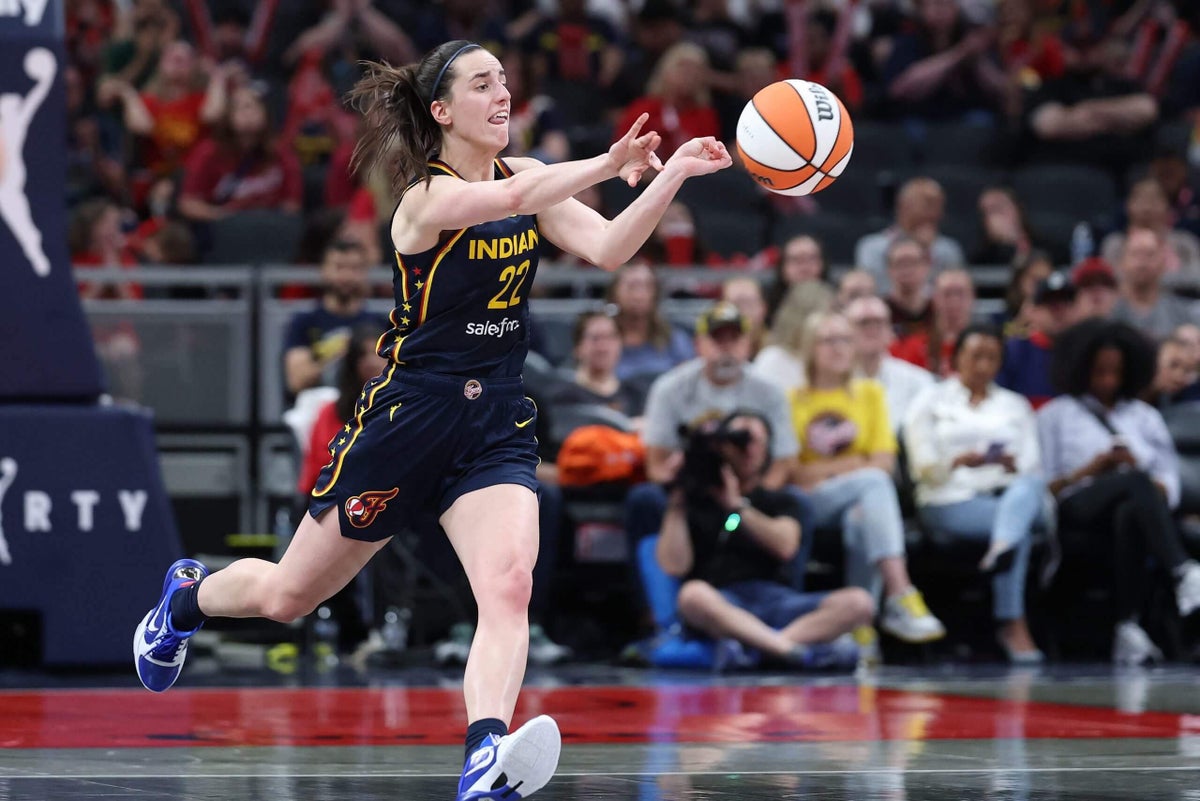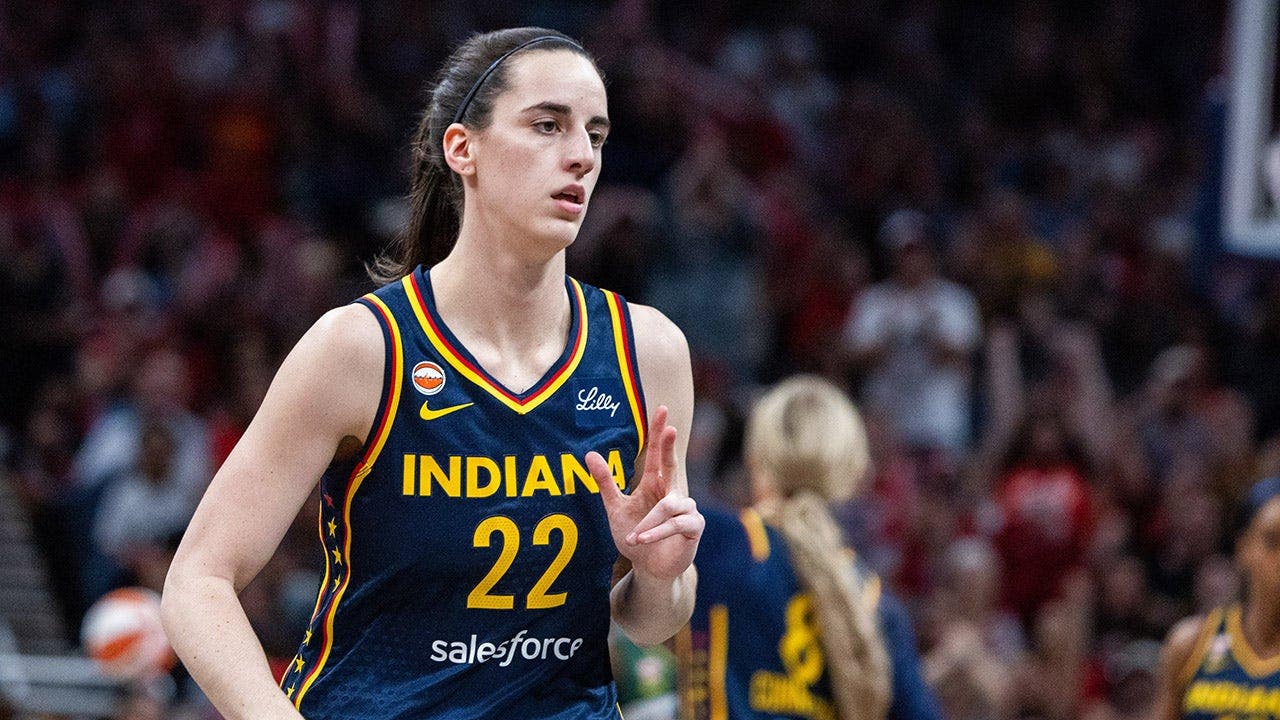
The WNBA’s formal warning to the Indiana Fever regarding the late-stage scratching of Caitlin Clark against the Portland Fire signals a transition toward more rigorous regulatory oversight. This administrative friction stems from a structural conflict: the franchise’s internal medical protocols—aimed at protecting a high-value asset—versus the league’s mandate for operational transparency.
The Mechanics of Non-Compliance
The reporting failure centered on a breakdown in the communication chain. Despite Coach Stephanie White confirming Clark missed Tuesday practice for back maintenance, the team omitted this from the mandatory 24-hour injury update. The decision to delay her status change until 5:20 p.m. on Wednesday—only ten minutes before fan entry at Gainbridge Fieldhouse—represents a critical failure in stakeholder management. This lack of transparency directly impacts broadcast partners and the integrity of sports betting markets, which rely on timely data to mitigate volatility.
Strategic Risk and Load Management
The Fever’s willingness to absorb a league warning reflects an aggressive shift toward load management. Organizational caution is driven by data from Clark’s 2025 sophomore campaign, where recurring soft-tissue injuries limited her to 13 games. By treating Clark’s physical availability as a finite resource, the front office has prioritized long-term career longevity over immediate competitive maximization. Coach White’s emphasis on “maintenance” suggests a mandate that transcends individual game outcomes, viewing the risk of catastrophic injury recurrence as an unacceptable trade-off for regulatory compliance.
Institutional Implications and Market Stability
The WNBA’s choice of a warning over a financial penalty suggests a discretionary enforcement model intended to establish precedent without immediate escalation. However, the incident highlights a broader institutional challenge: defining the boundary between routine “maintenance” and reportable “injury.” Such ambiguity can erode trust between the league office and constituent franchises, potentially necessitating more stringent disclosure requirements in future policy updates.
Corrective measures are already evident in the Fever’s administrative workflow. Ahead of the contest against the Golden State Valkyries, the team listed Clark as “probable” well in advance. This tactical pivot satisfies the league’s demand for early disclosure while maintaining a medical exit strategy. Ultimately, the league’s intervention serves as a reminder that superstar health is no longer a private team matter, but a core component of the WNBA’s market value and commercial integrity.