US Braces for Potentially Historic Winter Storm
Millions of Americans are preparing for a significant winter weather event expected to impact large swaths of the country over the weekend. Early indications of the storm’s severity are already visible in communities across the nation.
Empty Shelves Signal Widespread Concern
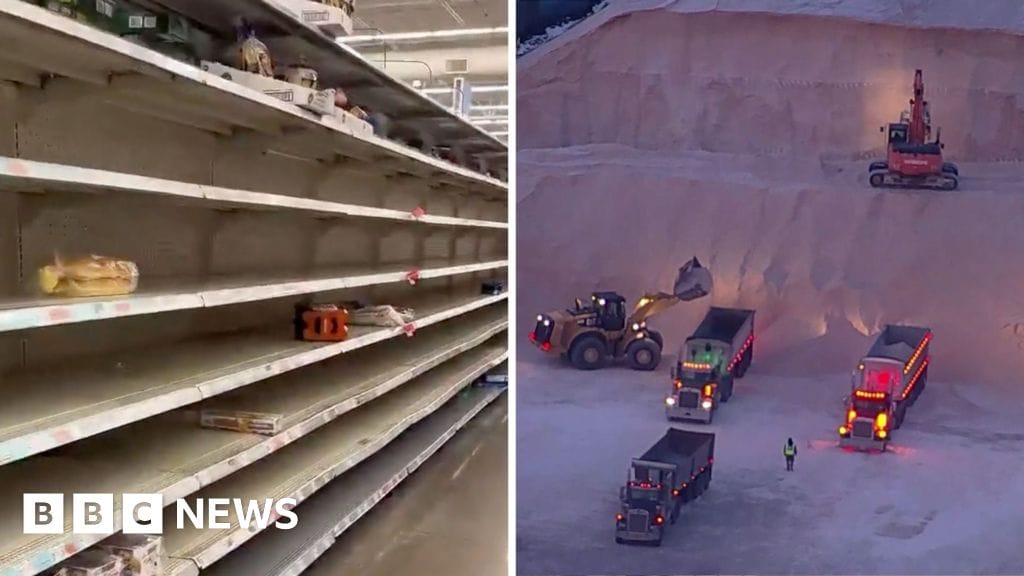
Observations from various locations show grocery stores experiencing a surge in customer activity. Shoppers are flooding supermarkets, leading to depleted shelves, particularly for essential items like water, non-perishable foods, and batteries.
This rush on supplies is a familiar scene in the United States when severe weather is forecast. It reflects a proactive approach by many households to ensure they are prepared for potential disruptions to daily life, including power outages and difficulties in travel.
Road Preparations Underway
Alongside the consumer response, authorities are also gearing up for the storm’s impact. Road crews have been seen undertaking preparations, suggesting a significant threat of icy conditions and heavy snowfall that could impede transportation networks.
The deployment of salt trucks and other winter maintenance equipment highlights the anticipated severity of the weather. This indicates that authorities are taking the threat seriously and are mobilizing resources to mitigate the potential dangers on roadways.
Why This Matters: The Impact of Severe Weather on Daily Life
The approaching winter storm underscores the vulnerability of modern infrastructure and daily routines to extreme weather events. The emptying of shelves is not merely about stocking up; it’s a tangible sign of how weather forecasts can directly influence consumer behavior and economic activity.
This pattern of pre-storm shopping demonstrates a collective awareness of the potential for prolonged disruptions. It speaks to the importance of resilience, both at an individual and community level, when faced with significant natural challenges.
Economic Ripples of Weather Events
The surge in demand before a storm can create temporary supply chain pressures. While often short-lived, these events can impact local businesses and necessitate rapid adjustments from retailers and distributors.
Furthermore, the cost of preparing for and recovering from severe weather, including road maintenance and potential infrastructure repairs, represents a significant economic burden. These costs are borne by both government entities and individuals.
Broader Trends: Climate and Preparedness
The increasing frequency and intensity of extreme weather events globally are often linked to broader climate trends. While a single storm may not be definitively attributed, the pattern of severe weather demands attention.
This leads to a growing emphasis on preparedness and resilience strategies. Communities and individuals are increasingly looking for ways to adapt to a changing climate and minimize the impact of disruptive weather.
Looking Ahead: Navigating the Storm
As the winter storm makes its approach, millions will be monitoring its development closely. The preparation observed in supermarkets and on the roads serves as a stark visual reminder of the challenges that lie ahead.
The focus will now shift to the storm’s actual impact, the effectiveness of preparedness measures, and the speed of recovery. The ability of communities to withstand and bounce back from such events will be a key indicator of their resilience.
Potential for Damaging Ice and Snow
Forecasts suggest that the storm could bring a damaging amount of ice to certain regions, particularly in the Southeast. This transition from rain to freezing rain and sleet poses a significant risk of widespread power outages and hazardous driving conditions.
Cities like Atlanta are expected to see precipitation change over to a mix of freezing rain and sleet, highlighting the varied threats across different geographical areas affected by the same massive weather system.
Community Response and Resilience
The collective action of individuals stocking up and the visible efforts of public works departments reflect a societal instinct for self-preservation and community support. These actions are crucial in buffering the immediate effects of severe weather.
The coming days will test the preparedness and infrastructure of affected regions, offering insights into the ongoing challenges posed by severe weather in an increasingly unpredictable climate landscape.