The Framework of Federal-State Coordination
The executive branch of the United States government maintains a long-standing tradition of convening the nation’s governors to facilitate intergovernmental coordination. These meetings serve as a primary conduit for aligning state-level implementation with federal policy objectives across various sectors, including infrastructure, public safety, and economic development.
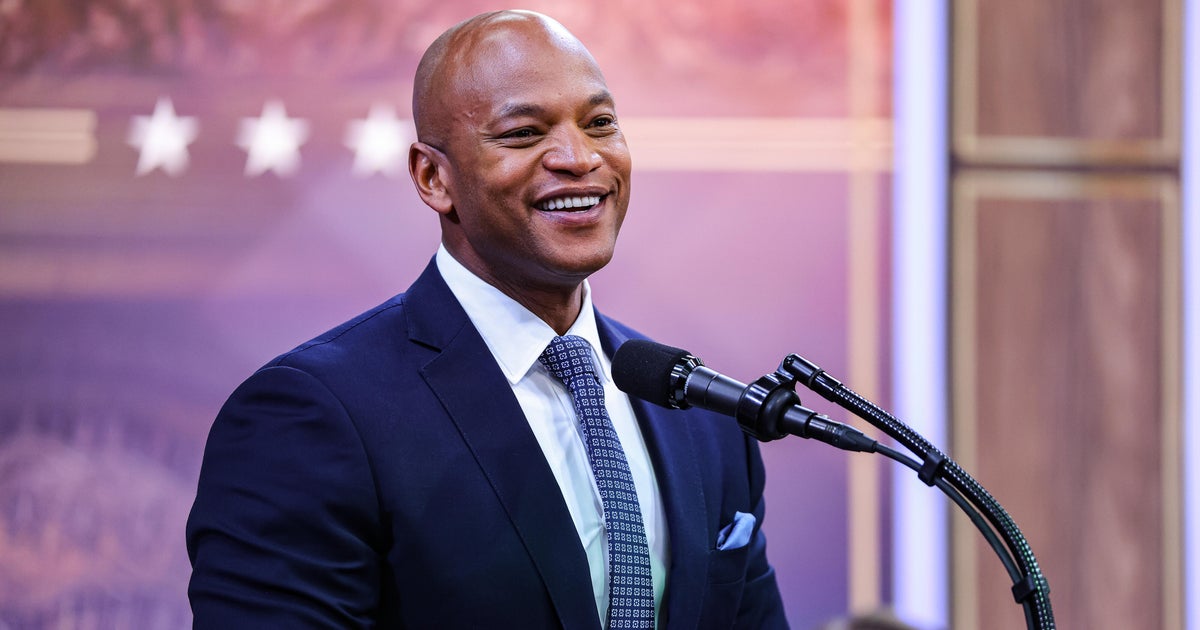
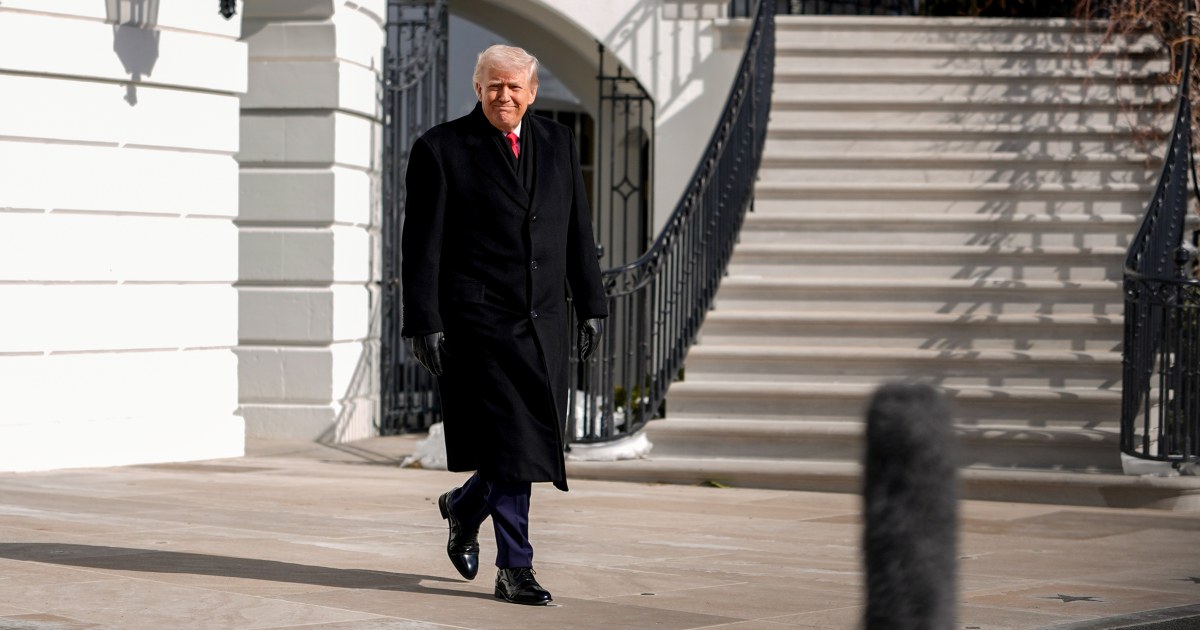
President Donald Trump recently indicated a shift in this administrative protocol by extending invitations to governors from both major political parties while explicitly omitting two individuals. The exclusion of Colorado Governor Jared Polis and Maryland Governor Wes Moore represents a departure from the historical precedent of universal bipartisan attendance at such summits.
Within the American federalist system, these gatherings are not merely social events but are essential components of the administrative machinery. They allow for the direct exchange of information between the federal executive and the leaders of the 50 sovereign states, ensuring that national directives are understood at the local level.
The Presidential Invitation as an Administrative Tool
The power to invite state executives to the White House is a discretionary function of the President, often utilized to signal policy priorities. While the invitation itself is an act of protocol, it functions as a gateway to high-level administrative access and resource negotiation.
By excluding Governor Jared Polis and Governor Wes Moore, the administration exercises its prerogative to define the boundaries of its consultative circle. This selective engagement raises questions regarding the mechanisms of administrative cooperation between the federal government and the states of Colorado and Maryland.
The documentation regarding this decision suggests a deliberate strategy in the management of executive-to-executive relations. Such exclusions can influence the speed and efficiency of policy feedback loops, as the excluded governors must rely on secondary channels for federal engagement.
Structural Tensions in Intergovernmental Relations
Intergovernmental relations, or IGR, are defined by the structural interactions between different levels of government. The exclusion of specific state leaders from a traditionally bipartisan forum introduces a variable that can complicate the standardized flow of administrative data.
Governors function as the chief executives of their respective states, responsible for the oversight of federal mandates and the distribution of federal funds. When specific executives are omitted from direct dialogue, it creates a differentiated tier of access within the national governance framework.
This development highlights the inherent tension between the political nature of the executive office and the neutral administrative requirements of the federal-state partnership. The institutional design of the United States relies on a certain level of procedural consistency to maintain stability across disparate jurisdictions.
Legal and Constitutional Context of Selective Engagement
From a constitutional perspective, the interaction between the President and the governors is guided by the principles of federalism and the Tenth Amendment. There is no statutory requirement for the President to invite every governor to any specific gathering, as these meetings are generally classified as discretionary executive functions.
However, the selective nature of these invitations can have practical implications for the legal execution of joint federal-state programs. Coordination on matters such as disaster response or interstate commerce often requires a unified front among executive leadership at all levels.
The exclusion of Governor Moore and Governor Polis is an administrative action that does not, in itself, constitute a legal finding or a formal shift in state-federal law. It does, however, signal a change in the administrative climate in which these legal and regulatory partnerships are managed.
The Role of the National Governors Association and Bipartisan Norms
Historically, organizations like the National Governors Association have worked to ensure that the collective voice of state executives remains a constant factor in federal policy-making. Bipartisan meetings at the White House are the physical manifestation of this cooperative norm, intended to transcend partisan differences for the sake of national stability.
The announcement that all Democratic governors except two are invited suggests a strategic approach to maintaining a semblance of bipartisanship while exercising selective gatekeeping. This nuance is critical for understanding the current trajectory of executive branch communications with subnational entities.
The administrative rationale behind selecting certain Democratic governors while omitting others remains a point of institutional interest. It reflects the complex balancing act required to manage a diverse coalition of state leaders with varying regional and political priorities.
Strategic Implications for Policy Execution
The exclusion of two governors from a formal meeting can have ripple effects throughout the administrative hierarchy. State agencies in Maryland and Colorado may find themselves operating with a different set of expectations regarding federal oversight compared to their counterparts in invited states.
This lack of direct access can lead to information asymmetries, where certain states are more closely aligned with federal strategic goals due to their participation in executive briefings. The administrative efficiency of the federal government often depends on the uniformity of its outreach to the states.
In the absence of direct involvement from Governors Polis and Moore, the coordination of regional initiatives may require additional layers of bureaucratic mediation. This can potentially impact the timeline of project approvals and the clarity of regulatory guidance issued by federal departments.
Conclusion on the Evolution of Governance Protocols
The documented decision to exclude two specific governors from a White House event is a significant marker in the evolution of modern administrative protocols. It underscores the discretionary nature of executive convening power and the increasing fluidity of institutional norms.
As the federal government continues to navigate its relationship with state executives, the mechanics of these invitations will remain a focal point for analyzing the health of intergovernmental cooperation. The structural integrity of the federalist system relies on the ability of different levels of government to maintain functional, if not always harmonious, lines of communication.
Ultimately, the exclusion of Jared Polis and Wes Moore serves as a case study in the use of administrative access as a tool of executive governance. The long-term impact on the specific states involved will depend on the alternative mechanisms established for federal-state dialogue and the continued commitment to procedural transparency.