The Convergence of Executive Diplomacy and International Athletics
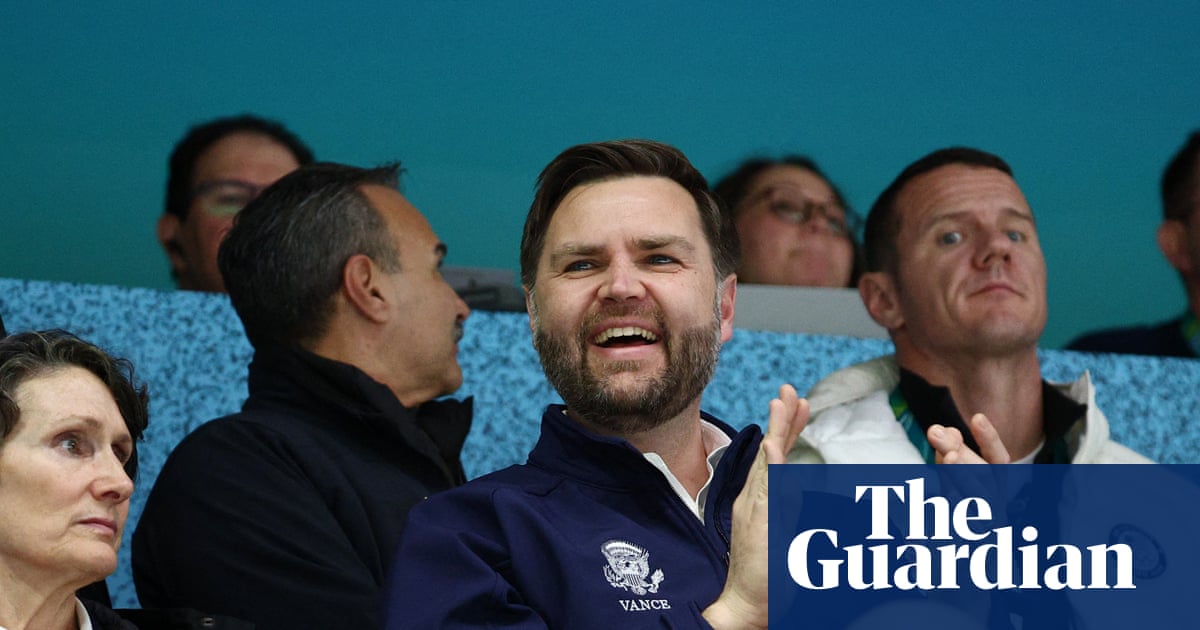
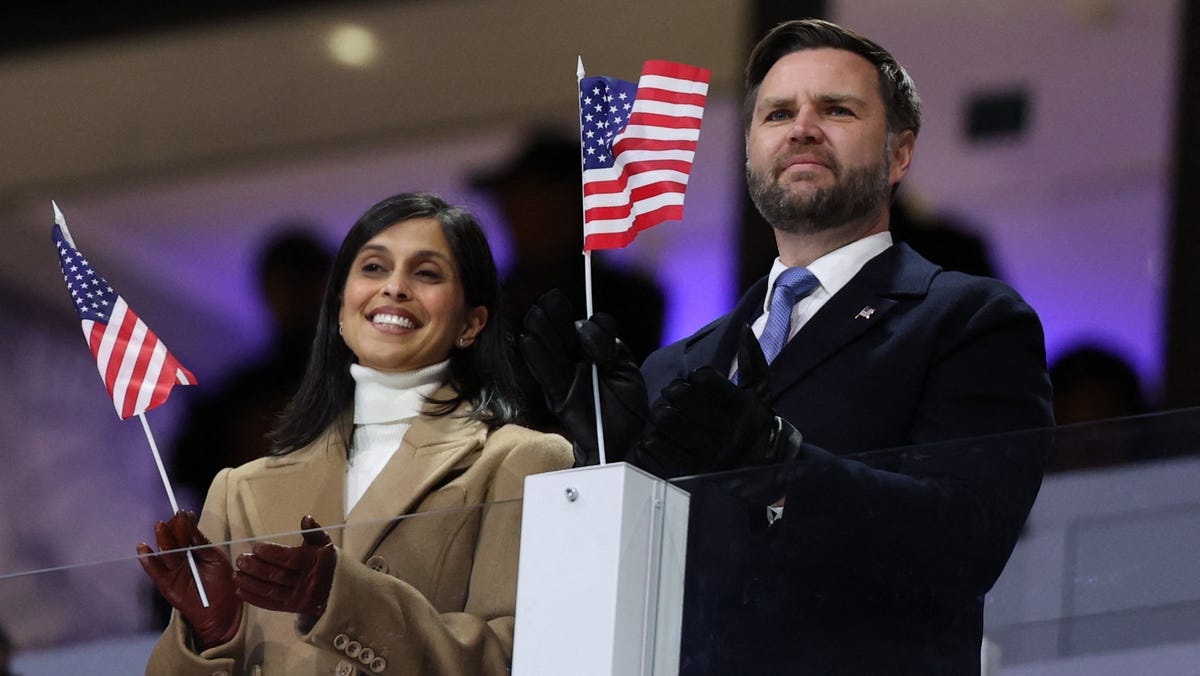
The presence of high-ranking executive officials at international sporting events represents a significant intersection of sovereign diplomacy and global cultural exchange. During the opening phases of the Winter Olympics in Milano Cortina, the attendance of United States Vice President JD Vance provided a case study in how political figures navigate highly regulated international forums.
Administrative protocols for such visits are typically established months in advance, involving coordination between the host nation’s security apparatus and the visiting delegation’s logistical teams. These events serve as platforms for soft power, where the official representation of a nation is intended to reinforce bilateral ties and support the participating national athletic contingent.
Institutional Dynamics of Public Reception
Documentation from the event indicates a distinct divergence in spectator response between the athletic participants and the political delegation. While members of Team USA received audible encouragement from the thousands in attendance, the Vice President was met with vocal disapproval during certain segments of the proceedings.
This dichotomy highlights a structural tension within the Olympic framework, which officially prioritizes athletic achievement and political neutrality. The presence of a political figure within this environment can occasionally activate public sentiment that exists outside the scripted nature of the ceremony, transforming a diplomatic appearance into a point of domestic and international contention.
Logistics and Strategic Positioning in Milan
The Vice President’s itinerary included appearances at specific sporting venues, such as a hockey game located in the western suburbs of Milan. These smaller-scale appearances are often categorized as administrative photo-ops, designed to provide visual evidence of support for the national team without the formal constraints of a primary ceremony.
Observers noted that the visit appeared to serve a dual purpose, functioning both as an official state duty and as a strategic preview of future political cycles. Within the context of the 2028 Republican ticket, such appearances are analyzed by policy experts as maneuvers to establish international visibility and executive readiness on a global stage.
The Regulatory Environment of Olympic Neutrality
The International Olympic Committee (IOC) maintains strict guidelines regarding the intersection of politics and sport, yet the presence of high-level government officials remains a staple of the opening ceremonies. This creates a complex regulatory environment where the official is a guest of the host nation, yet their presence is inextricably linked to the political climate of their home country.
When spectators react to a political figure in this setting, it is often interpreted through a structural lens rather than a purely personal one. The act of booing or cheering within an Olympic venue is a form of non-institutional feedback that policy analysts use to gauge the public’s perception of a government’s current standing or projected future trajectory.
Media Documentation and Real-Time Reporting
The nature of the source material for these events often stems from live updates and real-time reportage, which capture immediate public reactions that might not be reflected in later, more curated administrative summaries. This level of transparency is a critical component of modern media oversight at major international events.
By distinguishing between live observations of spectator behavior and formal judicial or institutional findings, media organizations maintain factual integrity. The reports of the Vice President being booed are documented as specific occurrences within a certain timeframe and location, rather than as a permanent assessment of his institutional role or legal standing.
The Structural Significance of the 2028 Horizon
The mention of the 2028 Republican ticket within the context of the Milan games underscores the long-term planning inherent in both sports and political administration. As the Olympic cycle moves toward future iterations, the involvement of executive figures becomes part of a broader narrative of national leadership and international continuity.
In a policy sense, these visits are less about the specific sporting outcomes and more about the maintenance of the state’s presence in the global administrative hierarchy. The transition from ‘a game’ to a larger political looming illustrates the increasing weight of executive visibility in spaces that were once considered primarily recreational or cultural.
Conclusion on Diplomatic Exposure
The events in Milan serve as a reminder of the risks and rewards associated with high-profile diplomatic exposure in public arenas. While the institutional goals of such visits include the demonstration of national unity and athletic support, the reality of public engagement remains unpredictable within the framework of a free and open international event.
For analysts, the primary takeaway is the persistent relevance of the executive office in the global sports ecosystem. As administrative figures continue to use these platforms for strategic positioning, the protocols governing their attendance and the methods by which their reception is documented will remain essential areas of study for policy and regulation experts.