Spontaneous Moment Becomes Strategic Media Asset
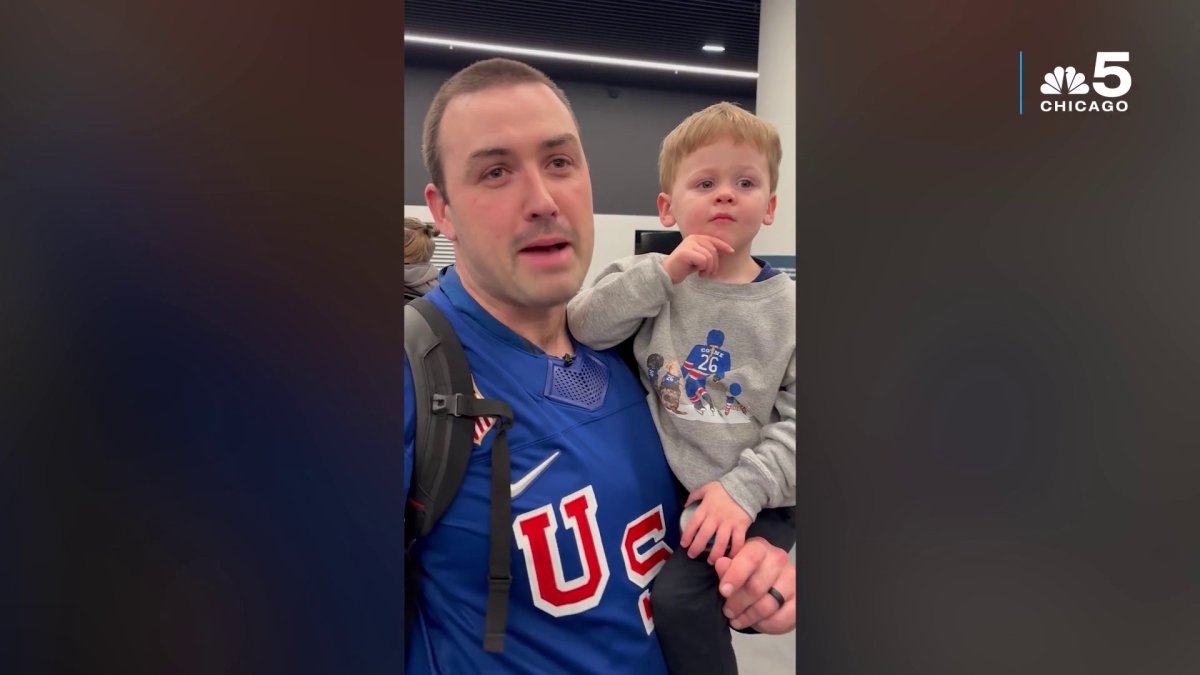
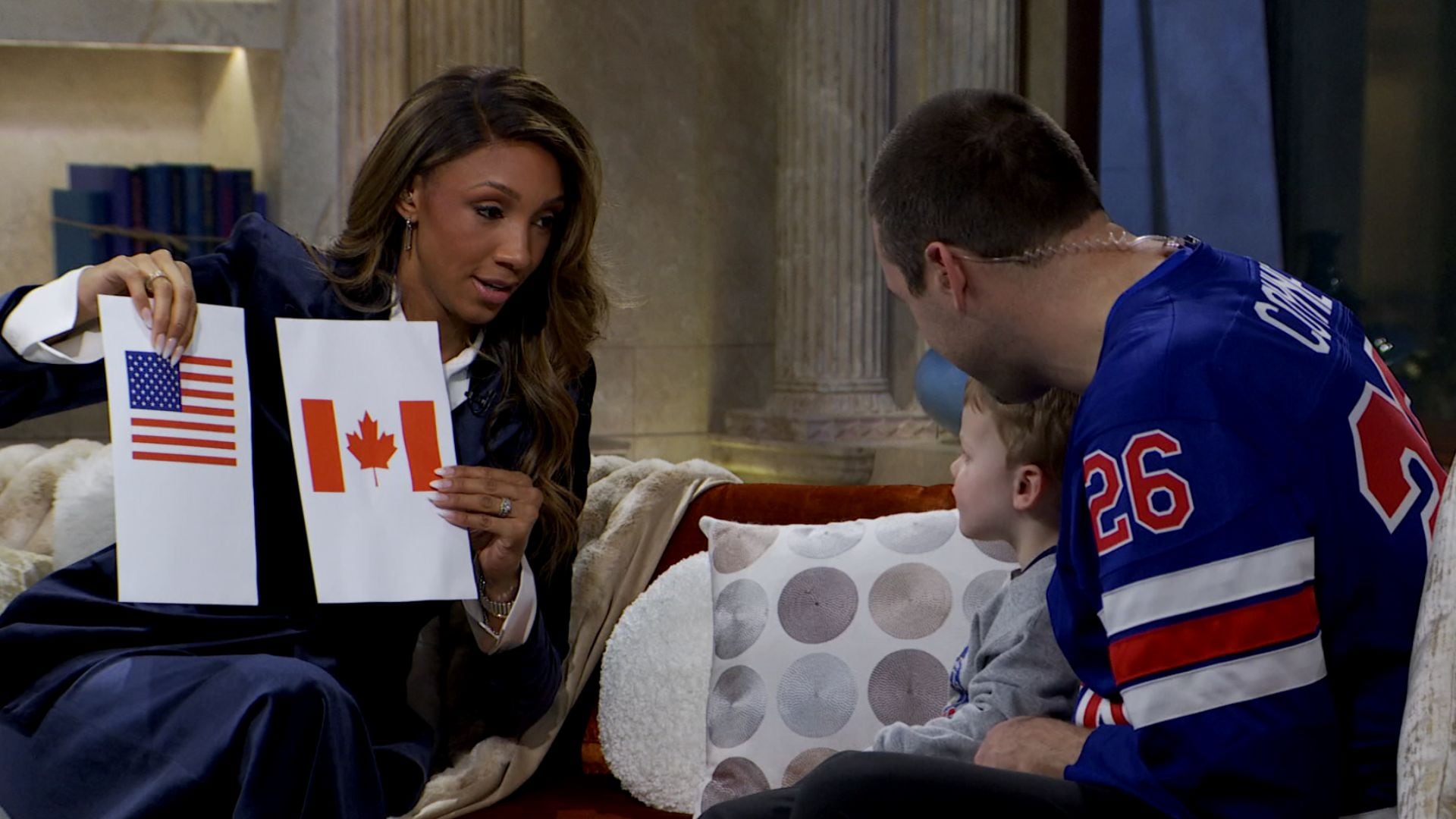
A seemingly random event during the 2026 Winter Olympics women’s hockey game between the United States and Canada was converted into a significant media highlight, underscoring the broadcast ecosystem’s reliance on shareable, human-interest narratives. The moment involved Drew Schofield, the young son of Team USA’s Kendall Coyne-Schofield, securing a stray puck from the stands during the high-stakes matchup in Milan.
This sequence quickly transcended the live game broadcast, proliferating across social media platforms as a viral event. For broadcasters and Olympic organizers, such unscripted moments represent high-value content that extends audience engagement beyond the core viewership, attracting casual observers and generating earned media at minimal cost.
Broadcast Amplification and Narrative Control
The incident’s trajectory from a live-action deflection to a curated highlight demonstrates modern event production mechanics. The father, retired NFL player Michael Schofield III, knocked the puck down, and his son retrieved it. This was immediately captured and displayed on the arena’s videoboard, a deliberate production choice designed to create a focal point for the in-arena audience and television cameras.
By featuring the family’s celebration, including Coyne-Schofield’s reaction from the ice, the broadcast framed the event as a compelling micro-narrative within the larger context of a dominant 4-0 U.S. performance. This act of curation transforms a spontaneous occurrence into a managed piece of content that reinforces key themes of family, patriotism, and athlete relatability—all valuable for audience retention.
Implications for Athlete Branding and Sport Promotion
For Kendall Coyne-Schofield, the viral moment serves as a powerful personal branding tool, intersecting her identity as an elite athlete with a relatable family role. The widespread sharing of the video strengthens her public profile and marketability, creating opportunities that are often independent of on-ice performance. The family’s roots in Palos Heights and connection to Sandburg High School add a layer of local appeal that can be leveraged for regional endorsements.
For women’s hockey, such events are critical for audience development. The feel-good nature of the story provides an accessible entry point for potential new fans who may be less familiar with the sport’s technical aspects but are drawn to compelling personal stories. This incident, set against the backdrop of the sport’s most intense international rivalry, effectively showcases the human element of the competition, a key component in building a sustainable fan base.
The Attention Economy of Live Sports
The Schofield puck retrieval illustrates the attention economy’s function within major sporting events. A non-competitive moment captured significant audience focus, generating social media engagement that rivaled official game highlights. This dynamic reveals how the value of a broadcast is no longer measured solely by the athletic contest itself but also by its capacity to produce a stream of shareable digital content.
The celebration, amplified by crowd chants of “USA!” and Michael Schofield lifting his son, provided a packaged, emotionally resonant clip perfectly suited for digital consumption. This symbiosis between live events and social media ensures that the Olympic brand remains part of the public conversation, driving viewership back to the primary broadcast and enhancing the value proposition for advertisers and sponsors.