From Viral Moment to Institutional History
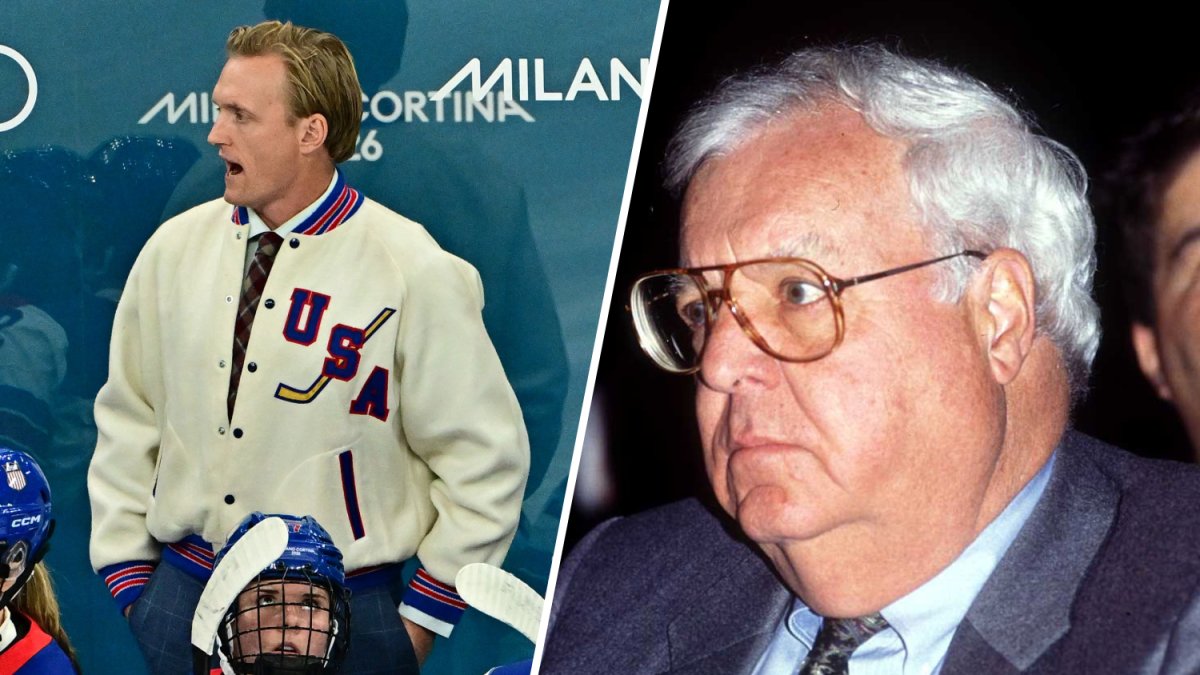
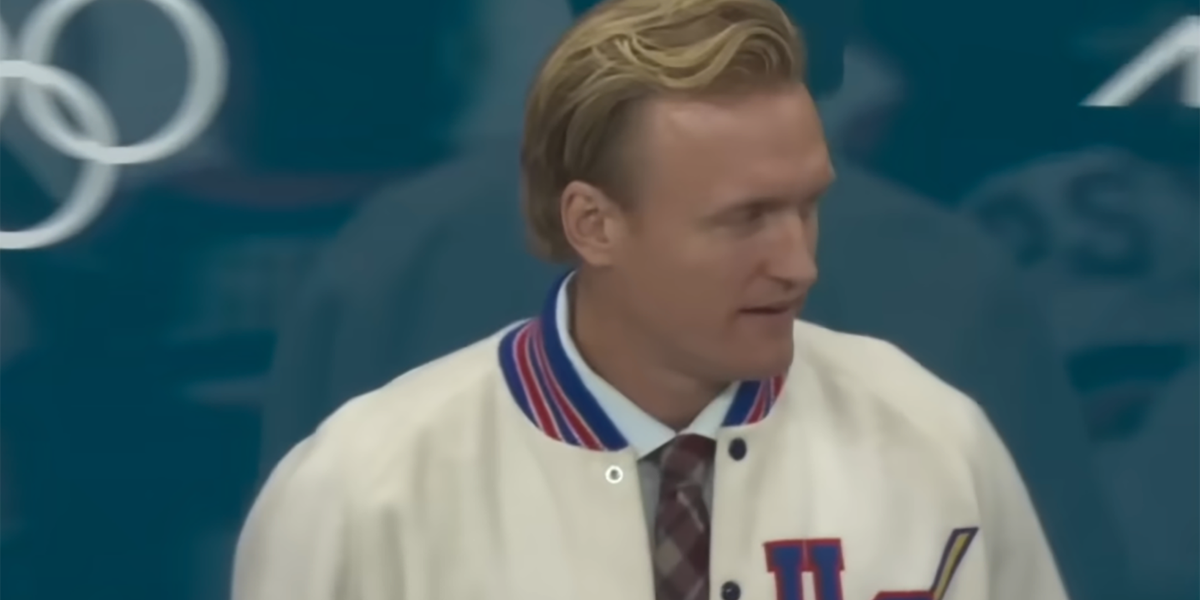
A vintage jacket worn by U.S. Women’s Ice Hockey Head Coach John Wroblewski during the team’s Olympic run became an unexpected focal point, linking a contemporary team’s success to the sport’s foundational architecture. Acquired online, the jacket was later revealed to have belonged to Walter Bush, a Hockey Hall of Fame inductee whose strategic vision was instrumental in establishing women’s hockey on the global stage. This sartorial detail serves as a tangible link to the governance and advocacy that built the very competitions in which the team now participates.
The Architect: Walter Bush’s Governance and Influence
Walter Bush’s influence stemmed from his key leadership positions within the sport’s most powerful bodies. As President of USA Hockey (1986-2003) and a member of the International Ice Hockey Federation (IIHF) Council (1986-2008), he held the institutional leverage necessary to drive systemic change. His tenure coincided with a critical period of growth for the sport, and he utilized his roles to champion gender equity, implementing policies that created competitive opportunities for female athletes worldwide and reshaped the strategic priorities of national federations.
Forging an Olympic Pathway: A Shift in International Policy
Bush’s most significant achievement was his successful advocacy for the inclusion of women’s ice hockey in the Olympic Games, which debuted in 1998. This was not merely a new event; it was a fundamental policy shift in international sports governance that legitimized the women’s game at the highest level. Olympic status unlocked critical funding, media exposure, and national investment in female athlete development programs, transforming the sport’s trajectory and creating a sustainable ecosystem for growth.
Building the Competitive Framework: The IIHF World Women’s Championship
Recognizing the need for a consistent, high-level competitive structure outside the four-year Olympic cycle, Bush was a primary force behind the establishment of the first IIHF World Women’s Championship in 1990. This tournament was a crucial institutional development that provided a regular platform for national teams to compete, fostering talent and creating international rivalries. Former IIHF President Rene Fasel stated that without Bush’s relentless efforts, international women’s hockey, particularly at the Olympic level, would not exist in its current form.
A Dual Strategy: Integrating Professional and International Hockey
Bush’s comprehensive understanding of the sport’s ecosystem is evident in his career, which spanned from co-founding the NHL’s Minnesota North Stars to leading national and international amateur bodies. This dual experience allowed him to pursue a multi-pronged strategy for growth, ensuring the commercial viability of professional hockey while simultaneously building the institutional foundations for the women’s game. This holistic approach provided a blueprint for how to expand athlete pathways and secure the long-term sustainability of the sport across different domains.
The Jacket as Symbol: Historical Continuity and Organizational Identity
The viral story of Coach Wroblewski’s jacket does more than honor a single individual; it reinforces a sense of historical continuity and organizational identity. This organic connection between a current coach and a foundational pioneer serves as a powerful reminder of the strategic vision and collective effort that underpins present-day success. The artifact bridges generations, imbuing contemporary achievements with historical gravitas and highlighting the enduring legacy of the leadership that built the sport.