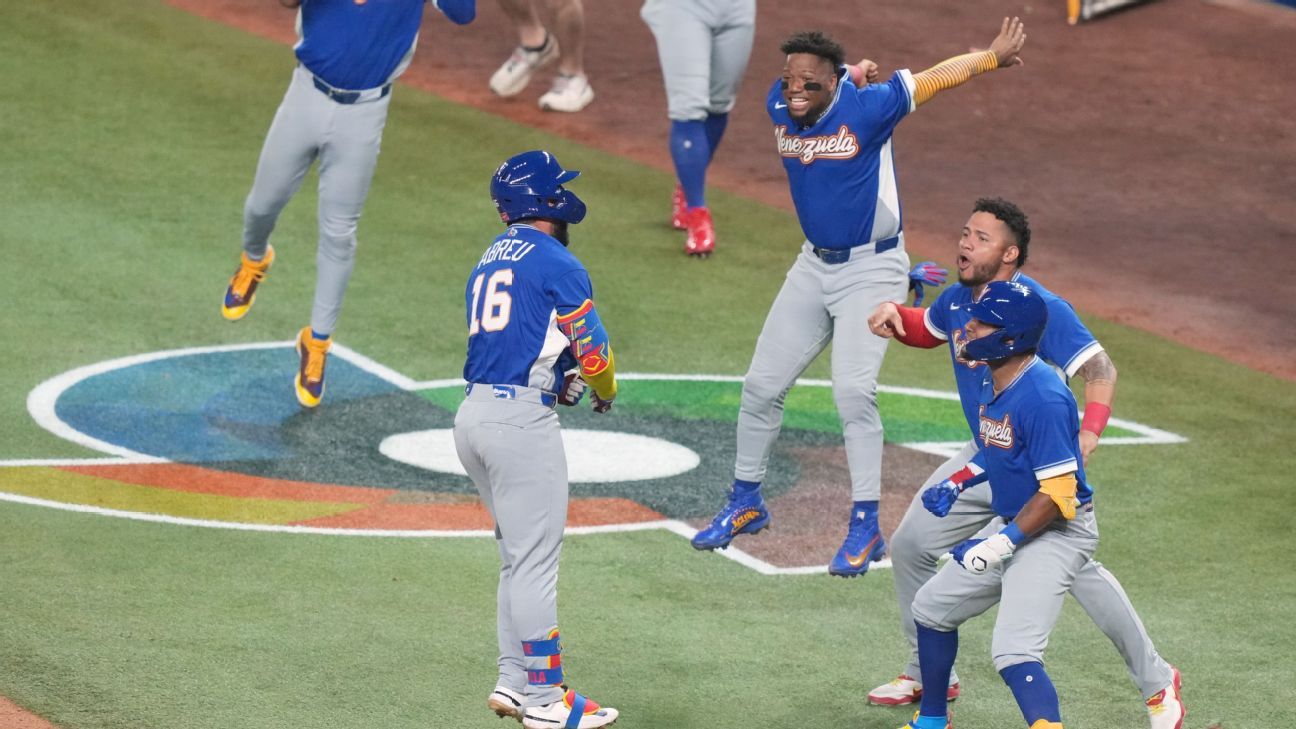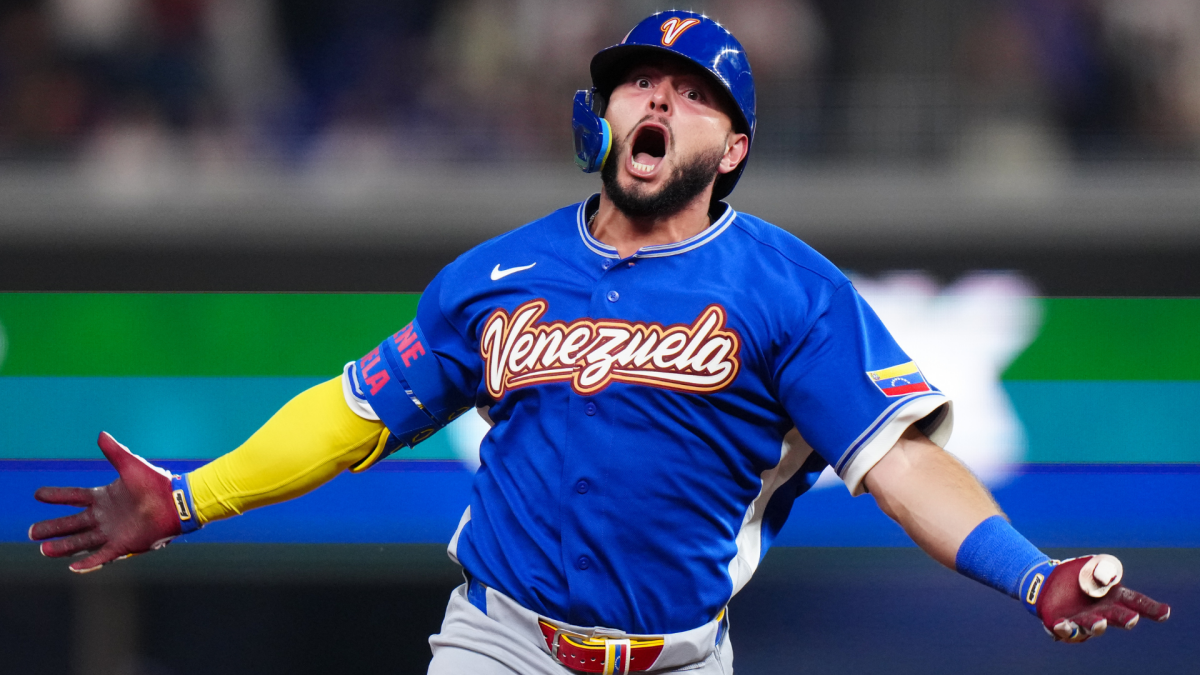
The international baseball hierarchy underwent a tectonic realignment at LoanDepot Park as Venezuela dismantled defending champion Japan with an 8-5 quarterfinal victory. This result not only terminates Japan’s pursuit of a title defense but also marks the first time in the World Baseball Classic’s twenty-year history that the Japanese national team has failed to secure a semifinal appearance. For Venezuela, the win transcends a mere tournament advancement; it represents an institutional breakthrough that validates a multi-year strategy of elite talent integration.
The Erosion of Japan’s Pitching Hegemony
Japan entered the knockout stage bolstered by an eleven-game WBC winning streak and a pristine 4-0 record in the Tokyo pool. Managerial reliance on Yoshinobu Yamamoto, the reigning World Series MVP, was intended to provide a stabilize the defense against Venezuela’s high-velocity lineup. However, this strategic premise collapsed on the second pitch of the game. Ronald Acuña Jr. exploited a rare command lapse from Yamamoto, driving a leadoff home run that disrupted Japan’s defensive continuity and forced an immediate recalibration of their bullpen deployment.
While Yamamoto recovered to retire nine of his next ten batters, the early psychological deficit was compounded by an unprecedented exchange of leadoff home runs. Shohei Ohtani’s immediate response in the bottom of the first restored temporary equilibrium but signaled a high-volatility environment where traditional Japanese pitching dominance was secondary to raw exit velocity. Venezuela’s roster, constructed specifically to capitalize on narrow margins against elite arms, flourished in this environment, prioritizing aggressive swing decisions over conservative situational hitting.
Bullpen Volatility and the Decisive Surge
The middle innings exposed a rare vulnerability in Japan’s relief hierarchy. In the fifth, Maikel Garcia’s two-run blast highlighted a lack of vertical movement in Japan’s secondary sequencing. The definitive turning point arrived in the sixth inning when Wilyer Abreu connected for a three-run, go-ahead home run off Hiromi Itoh. This sequence fundamentally altered the game’s trajectory, forcing Japan into an uncharacteristic reactive posture. Itoh’s inability to navigate the heart of the order reflected a rare failure in Japan’s scouting and execution protocols, which have historically been the gold standard of international play.
Manager Omar López leveraged his MLB-honed roster to exploit Japan’s uncharacteristic errors in judgment. By generating five runs via the long ball, Venezuela successfully neutralized Japan’s contact-oriented offensive model. The pro-Venezuelan atmosphere in Miami functioned as a tangible operational asset, further straining Japan’s composure during high-leverage defensive transitions.
Institutional Trajectory and Olympic Qualification
Beyond the immediate progression to a semifinal matchup against Italy, this victory carries profound long-term implications for Venezuela’s national sports infrastructure. By securing a semifinal berth, Venezuela has officially qualified for the 2028 Los Angeles Olympic Games, marking the nation’s inaugural participation in the Olympic baseball tournament. This milestone triggers a new cycle of institutional funding and global visibility, elevating Venezuelan baseball into a tier of sustained international competitiveness.
For Japan, the exit necessitates an institutional post-mortem. The failure to reach the semifinals suggests a narrowing gap between the NPB-centric core and the MLB-saturated rosters of the Americas in single-elimination formats. Shohei Ohtani’s post-game reflection—characterizing the result as “really frustrating”—underscores the psychological toll of the defeat. His individual performance, despite the leadoff home run, could not offset a broader structural collapse in Japan’s pitching depth. The economic downstream effects of this early exit will likely reverberate across the tournament’s Asian marketing and viewership metrics, given Japan’s status as a commercial pillar of the WBC.
Conclusion: A Shift in Global Power
The elimination of Japan marks the end of an era defined by consistent tactical superiority. Venezuela’s victory signals a diversification of power within the sport, where aggressive roster construction and high-leverage execution can disrupt established hierarchies. As Venezuela transitions to the semifinals, the management of their bullpen will be the critical differentiator. Saturday night’s result was not an anomaly; it was a demonstration of a maturing program that has finally aligned its top-tier talent with strategic global objectives.