Strategic Necessity: The Calculus of Matchday 36
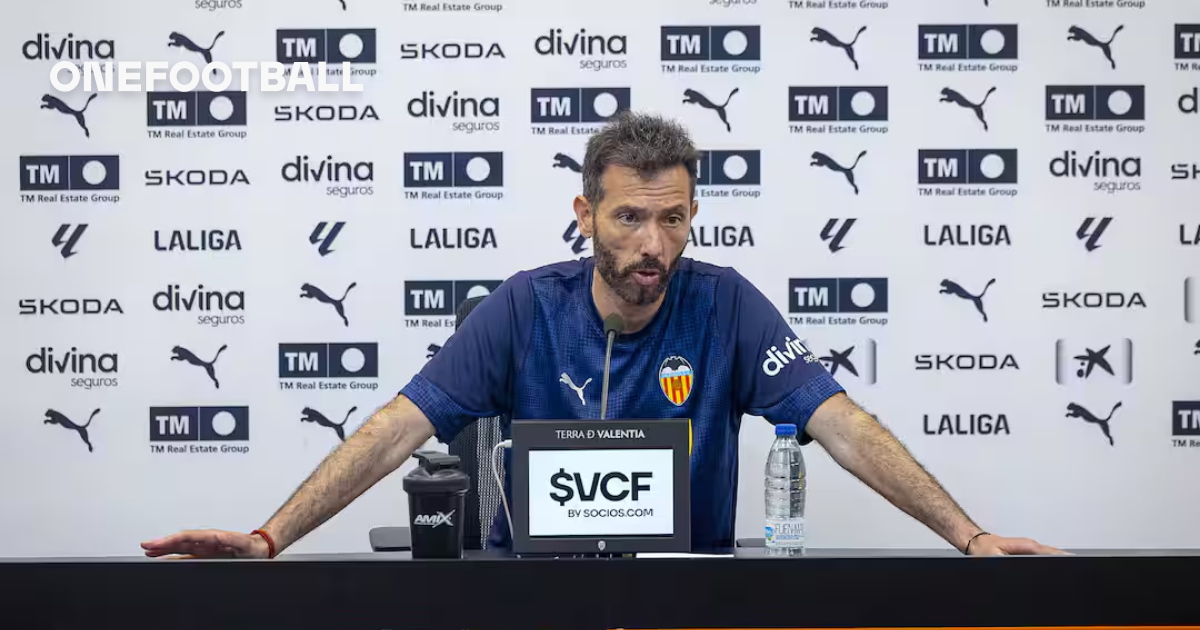
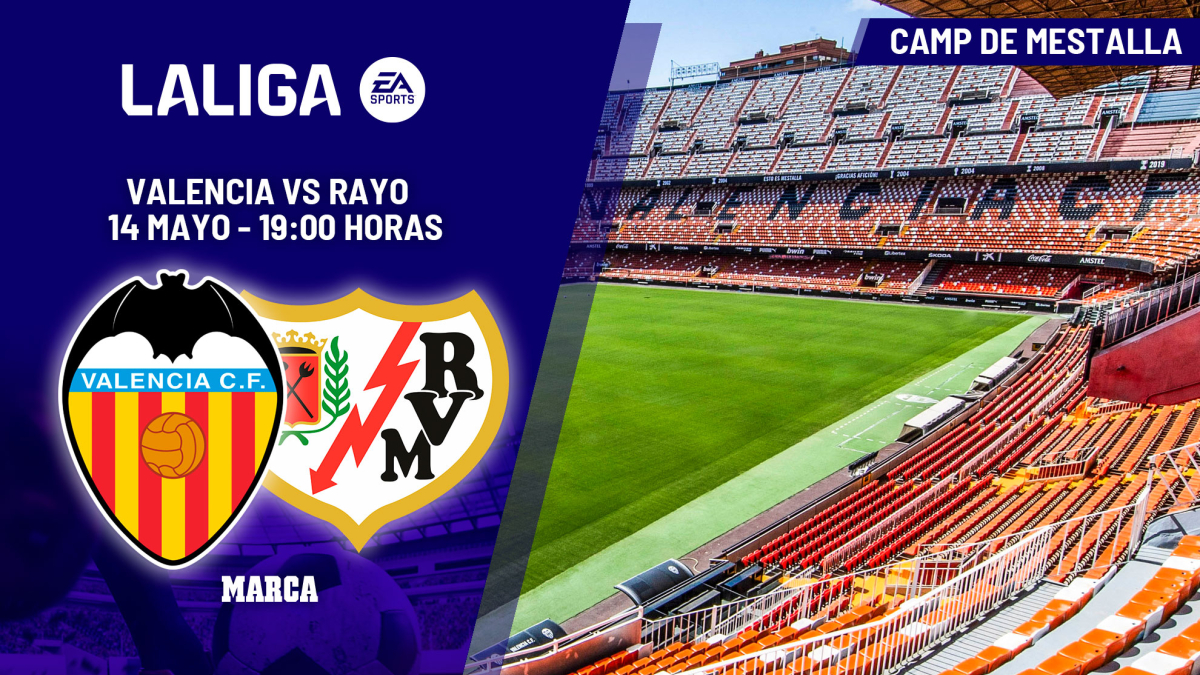
The impending encounter between Valencia CF and Rayo Vallecano at Mestalla transcends standard league scheduling, representing a critical convergence of institutional ambition and mathematical necessity. For Rubén Baraja’s squad, this fixture is an operational imperative to halt a recent decline in form and re-establish a viable trajectory toward UEFA competition spots. The stakes are twofold: consolidating a top-tier finish and securing the financial windfalls associated with European qualification and league-weighted television distribution.
Technical leadership faces the acute challenge of managing a depleted roster while maintaining high-intensity performance. At this stage of the campaign, tactical execution is often secondary to psychological resilience; the ability to manage the ‘weight of the shirt’ at Mestalla will determine whether Valencia can convert theoretical dominance into three points. The internal focus at Paterna has transitioned from seasonal reflection to immediate competitive execution, prioritizing points over aesthetic play.
Statistical Inversion: Neutralizing the Mestalla Advantage
Historical data reveals a stark transformation in the competitive dynamic of this fixture. Traditionally, Mestalla served as an impregnable fortress for Valencia, who secured 11 victories in 15 meetings. However, the last 14 encounters indicate a significant structural shift: Valencia has managed only two wins in that span, signaling a period of tactical frustration. Rayo Vallecano has successfully implemented a blueprint characterized by defensive density and rapid transitions, neutralizing Valencia’s verticality.
Rayo’s recent record at Mestalla—remaining unbeaten in their last four visits—underscores the narrowing gap between LaLiga’s historic giants and its tactically disciplined mid-table sides. This ‘statistical inversion’ forces Baraja to reconsider his approach, moving away from predictable wide-area rotations toward a more centralized, high-press system designed to disrupt Rayo’s buildup play before they can establish defensive shape.
Personnel Constraints and Tactical Plasticity
The squad’s integrity is currently tested by a localized injury crisis. The absence of key defensive pillars like Mouctar Diakhaby and the ongoing fitness concerns surrounding captain José Gayà have forced a reliance on younger, less experienced profiles. This lack of veteran depth necessitates ‘tactical plasticity’—the ability to shift formations mid-match to mask individual defensive vulnerabilities.
The return of Thierry Rendall provides a vital tactical lever, offering the recovery speed necessary to combat Rayo’s counter-attacking threats. Furthermore, the reliance on Hugo Duro as the primary attacking focal point is amplified by the absence of secondary scoring options. The integration of academy products like Javi Guerra and Diego López into the core starting XI remains a necessity, highlighting both the club’s developmental success and its current fiscal and structural limitations.
Psychological Fortitude and Performance Factors
Rubén Baraja has frequently identified mental composure as the deciding variable in high-pressure home fixtures. The transition from historical dominance to recent struggle against Rayo has created a psychological hurdle. Performance is no longer just a matter of physical output; it is about emotional regulation under the scrutiny of a demanding fanbase. To break the winless streak, Valencia must execute technical instructions under extreme duress, avoiding the lapses in concentration that have characterized their recent defensive efforts.
Institutional and Economic Implications
Beyond the pitch, the outcome of this match influences the club’s long-term strategic planning. The difference between a Conference League berth and a mid-table finish is measured in millions of euros, affecting the club’s FFP (Financial Fair Play) ceiling and its capacity for summer recruitment. A victory validates Baraja’s project and provides the sporting momentum required to sustain institutional stability during a period of transition. In the competitive ecosystem of LaLiga, this fixture is a definitive barometer of Valencia’s ability to return to its status as a perennial European contender.