Blue Dot Fever Unveils Live Music’s Economic Strain
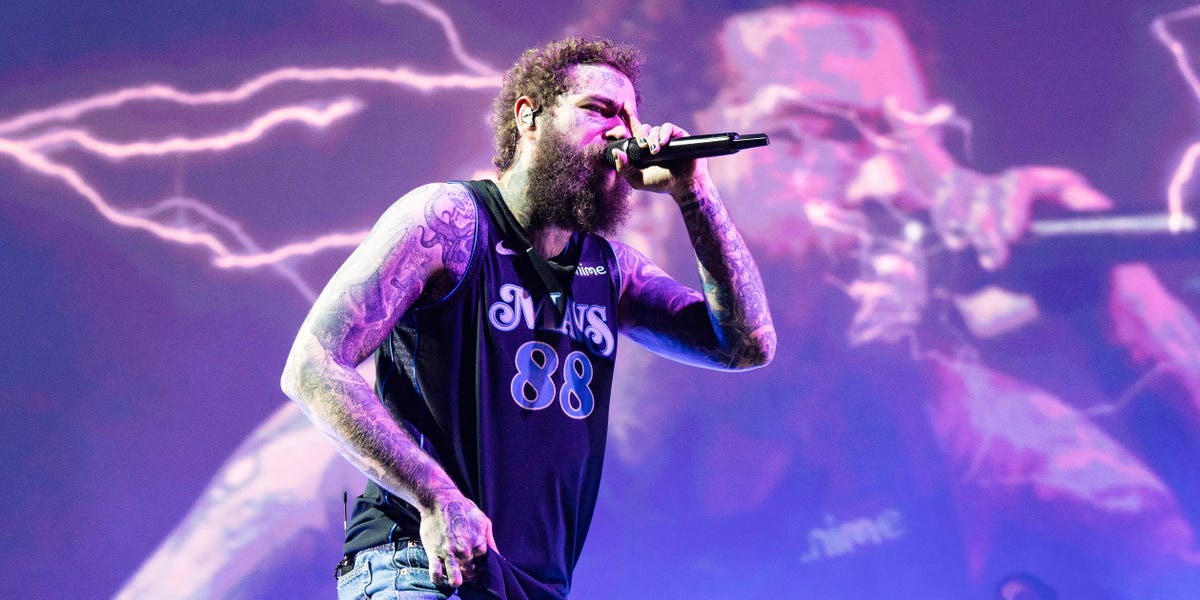
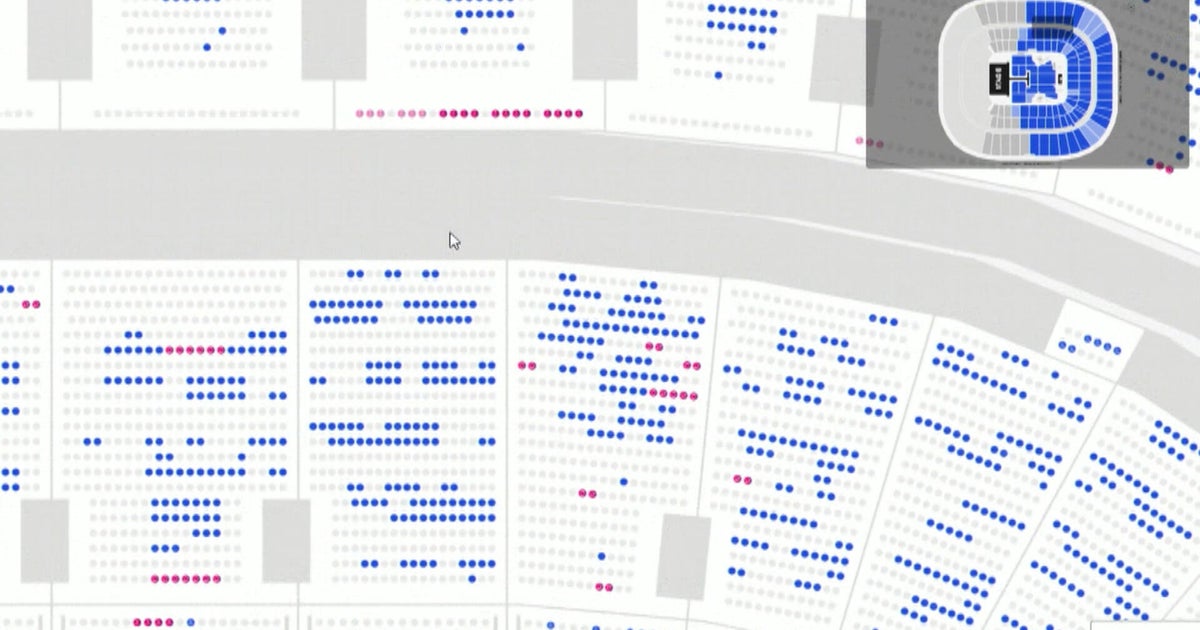
A significant recalibration is underway within the live music sector, manifest in a phenomenon termed ‘Blue Dot Fever.’ This trend describes the increasing incidence of prominent artists—including Zayn Malik, Post Malone, and Meghan Trainor—either downsizing, postponing, or outright canceling scheduled arena and stadium tours. The Pussycat Dolls offered a candid industry insight, explicitly citing lower-than-expected ticket sales as the rationale for scrapping their North American run. While health, scheduling, or family commitments are often cited, the underlying economic reality of unsold seats for many mid-tier acts is becoming an undeniable factor.
The Bifurcated Market: A-List Dominance vs. Mid-Tier Vulnerability
Paradoxically, these cancellations unfold against a backdrop of a booming overall concert industry, revealing a stark bifurcation in consumer spending. Fans are demonstrating an overwhelming preference for investing in premium experiences from top-tier, A-list performers. This dynamic effectively exposes the financial precarity of acts that, despite substantial fan bases, do not command the absolute highest demand, creating a chasm between global superstars’ consistent sell-outs and the struggles faced by the ‘pop music middle class.’ The era of elevated concert ticket prices, while sustainable for headliners, proves unforgiving for those with less elasticity in perceived value.
Compounding Pressures: Costs, Behavior, and Digital Disconnect
The operational landscape for touring artists has grown exceptionally complex, with multiple pressures fueling ‘Blue Dot Fever.’ Escalating expenses across the board—from notably high fuel costs and transportation to production, staging, and personnel—necessitate higher ticket prices to maintain profitability. For mid-tier artists, this often pushes prices beyond their audience’s willingness-to-pay threshold, deterring attendance. Simultaneously, post-COVID-19 consumer behavior has shifted dramatically. Discretionary spending has become more selective, prioritizing fewer, higher-impact live experiences. This selectivity, coupled with an increasing disconnect between an artist’s digital fame and their ability to convert online engagement into tangible ticket sales, means social media reach doesn’t automatically translate to packed venues, highlighting a crucial gap between passive consumption and active purchase intent.
Strategic Industry Adaptation: Rethinking Touring and Development
This evolving market mandates a fundamental re-evaluation of strategic planning. Artist management firms, such as KMGMT Inc., are intensifying scrutiny on tour scale, venue selection, and geographic routing, moving away from aspirational projections to data-driven, realistic market assessments. This includes a more rigorous risk assessment framework to mitigate potential financial losses from undersold tours. The challenges significantly impact artist development, particularly for emerging and mid-career acts; difficulty in selling out tours affects immediate revenue, long-term career trajectory, and future investment opportunities, potentially narrowing the talent pipeline. Consequently, some bands are “giving up on the U.S.,” prompting a re-evaluation of global touring strategies towards markets with lower operational costs or more reliable fan conversion. This systemic shift extends to promoters, who face increased booking risk and may opt for more conservative strategies, and venues, which might offer greater flexibility to secure bookings. Even academic institutions like USC are integrating these real-world complexities, with instructors like Michael Kaminsky preparing future industry professionals for a landscape where digital success alone doesn’t guarantee live viability.
Conclusion: A Systemic Recalibration Towards Sustainable Live Music Economics
‘Blue Dot Fever’ is more than a transient issue; it signals a profound, long-term structural recalibration of live music economics. It underscores an ongoing consolidation of economic power at the market’s apex, while the middle tier struggles for sustainable monetization and audience engagement. This necessitates innovation in fan engagement, diversified revenue streams, and adaptable touring models focused on efficiency and precise market targeting. The imperative for data-driven decision-making, as exemplified by The Pussycat Dolls’ “honest look” at their commercial realities, becomes paramount. Looking ahead, mid-tier artists may pivot towards niche markets or more intimate settings with lower operational overhead, or strategically prioritize international markets offering more favorable conditions. This marks the end of unchecked tour expansion based solely on digital metrics, ushering in an era where financial prudence and a clear understanding of market demand will define success in the evolving live entertainment ecosystem.