The scheduled May 2, 2026, broadcast of Saturday Night Live marks a critical strategic pivot for NBCUniversal. By casting Olivia Rodrigo in the dual role of host and musical guest, the network is deploying a high-density talent strategy to anchor the final three-episode arc of Season 51. This move is designed to mitigate the momentum loss following a three-week production hiatus and capitalize on fragmented viewership patterns.
The Double-Duty Efficiency Model
Utilizing a single high-profile entity for both hosting and musical duties optimizes production logistics while centralizing marketing efforts. For Rodrigo, this transition from specialized musical guest to central host signifies an institutional elevation within the NBC ecosystem. Financially, this model provides a higher return on investment (ROI) by leveraging Rodrigo’s cinematic and recording industry crossover appeal, ensuring that promotional cycles for both the host and the show are perfectly synchronized.
Post-Hiatus Audience Retention and Demographic Capture
Following the April 11 episode hosted by Colman Domingo, the three-week gap in live programming creates a structural risk to audience retention. Resuming with a double-duty performer serves as a tactical ‘eventizing’ of the broadcast, specifically targeting the 18-49 demographic. This surge in engagement is essential for the season’s concluding episodes, which serve as the primary vehicle for annual advertising revenue and Emmy Award consideration cycles.
Institutional Talent Synergy
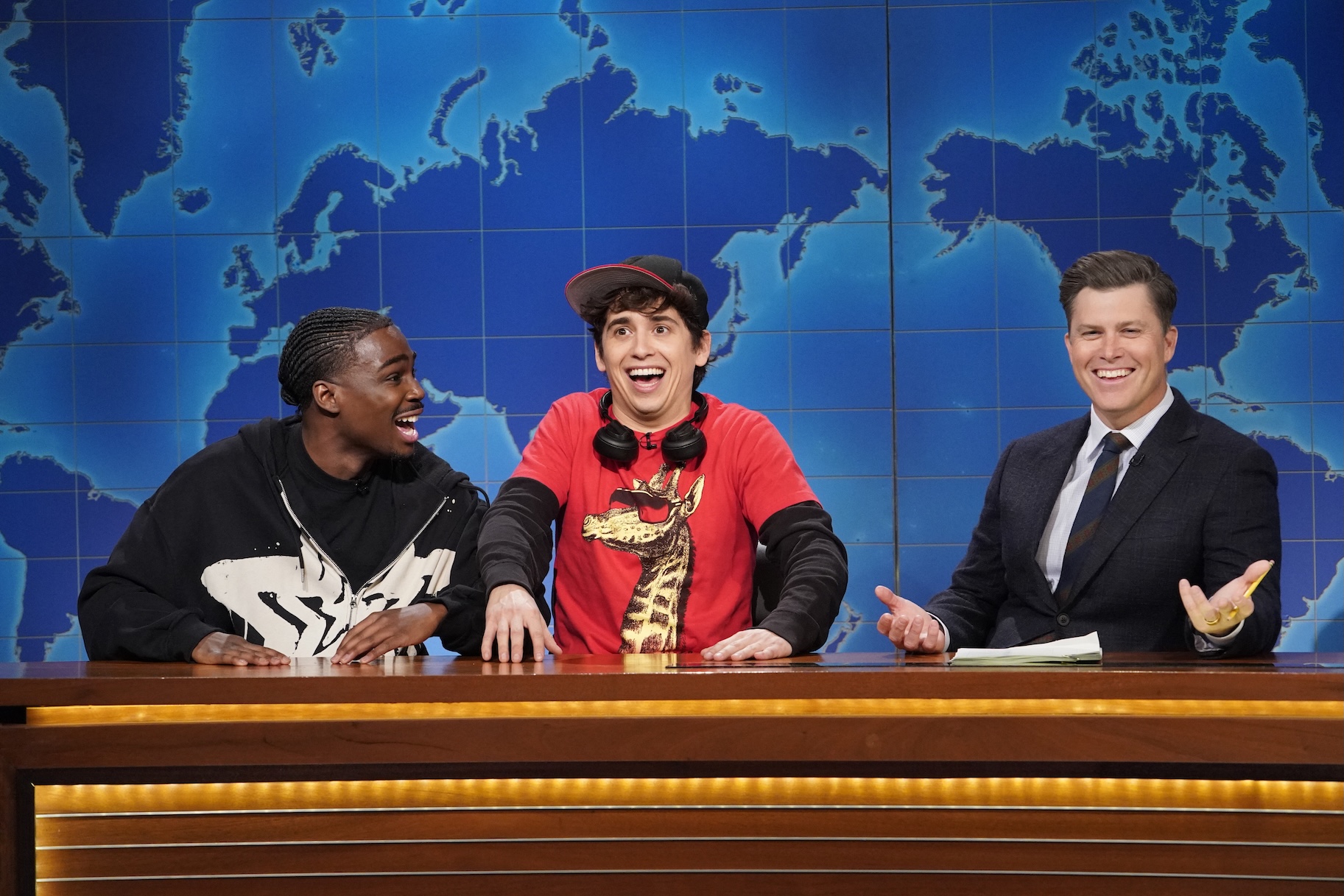
Season 51 has focused on the integration of emerging talent, specifically Marcello Hernández, Ashley Padilla, and Connor Storrie. Integrating these performers with a host of Rodrigo’s generational stature allows NBC to bridge the gap between legacy linear television and digital-first consumption. Sketches featuring Hernández’s character work or Storrie’s impressions are engineered for viral lifecycles, extending the show’s relevance beyond the 90-minute live window and onto platforms like YouTube and TikTok.
Distribution Friction and Streaming Growth
The episode’s availability across NBC, Peacock, DirecTV, and Hulu + Live TV highlights the friction between traditional broadcasting and proprietary streaming growth. While third-party providers offer free trials, NBCUniversal’s decision to limit Peacock trials forces a reliance on ‘must-see’ content like the Rodrigo episode to drive direct-to-consumer subscriptions. This distribution strategy treats the live broadcast as a loss leader for long-term platform loyalty and data acquisition.
Competitive Market Positioning
In a landscape dominated by prestige streaming content, SNL’s viability rests on its status as a live cultural event. Rodrigo’s presence counters competition from scripted series by offering an unscripted, high-stakes variety format that cannot be replicated by on-demand algorithms. As Season 51 concludes, this broadcast will serve as a benchmark for how NBC maintains institutional relevance through the strategic deployment of cultural capital.