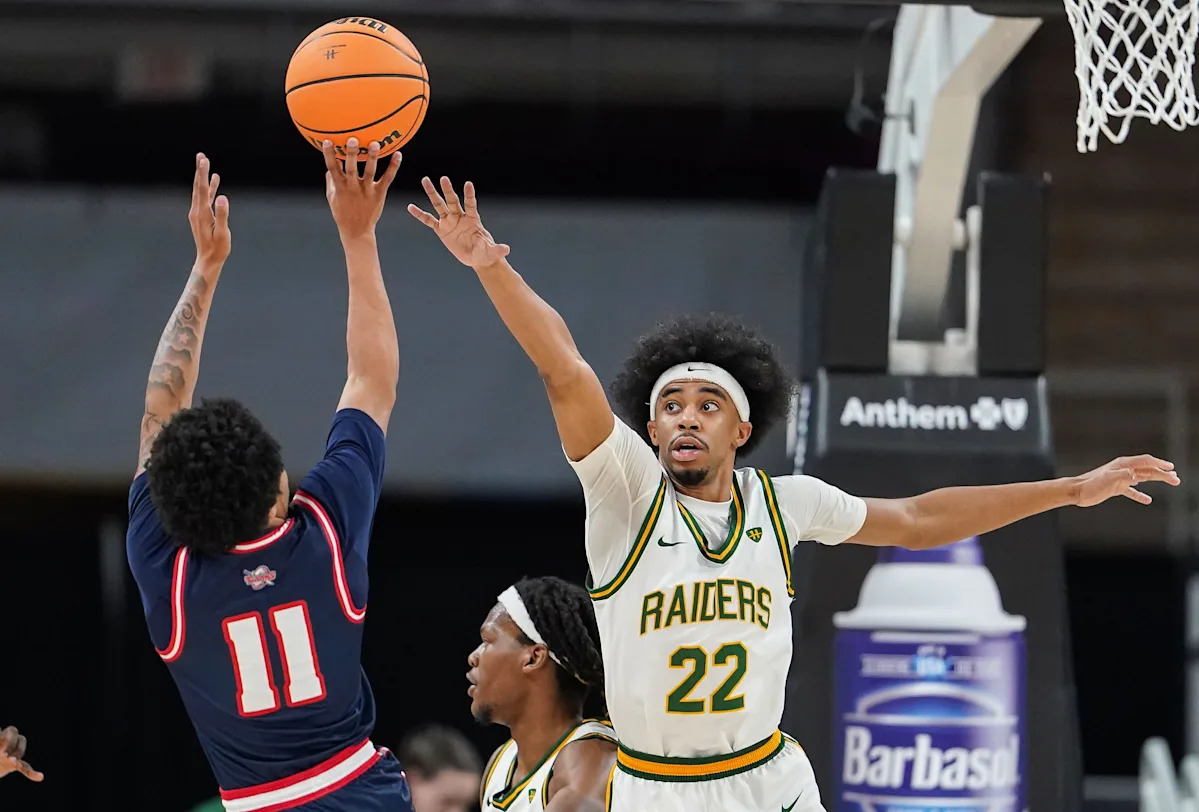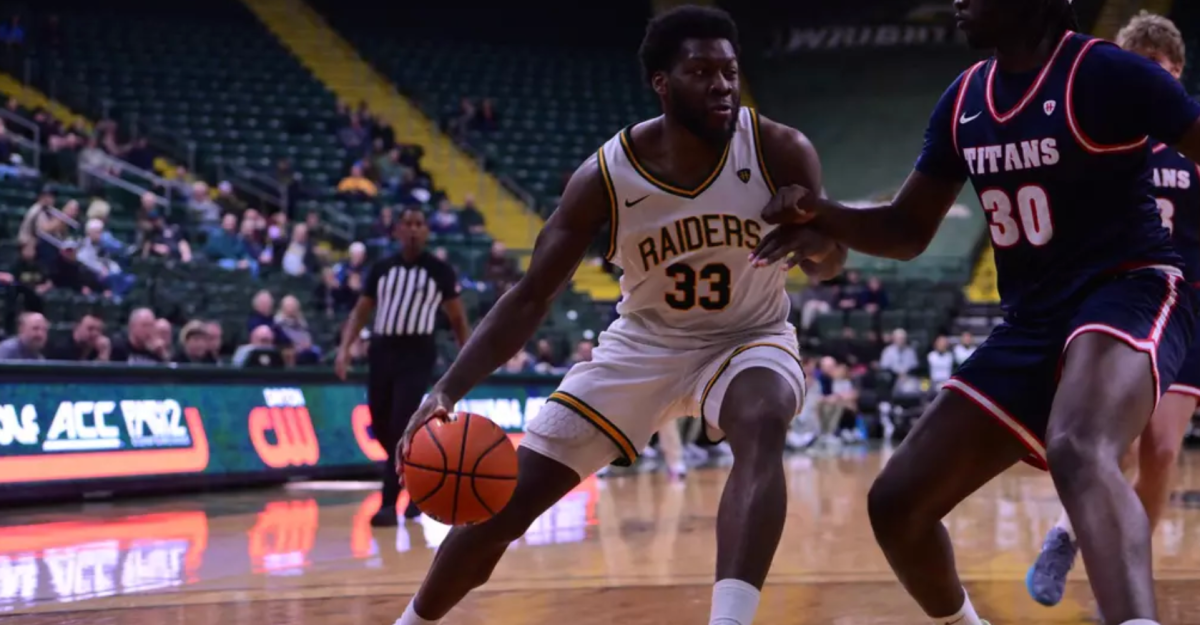
The Virginia Cavaliers’ securing of a No. 3 seed in the NCAA Men’s Basketball Tournament signifies an institutional validation of immediate post-transition stability, contrasting sharply with the preceding season’s First Four elimination.
This placement mandates a strategic pivot away from recent March volatility (e.g., upsets by UMBC, Furman) as UVA immediately confronts No. 14 seed Wright State, the Horizon League champion. The primary analytical density centers on the clash between UVA’s established defensive foundation and Wright State’s high-tempo, high-efficiency offensive profile.
Seeding Context and Opponent Profile Stress Test
The 3-seed projection confirms internal benchmarks but imposes structural pressure on the current staff to negate upset history. Wright State (80.5 PPG, 48.8% FG) functions as an offensive disruptor; their pace necessitates Virginia neutralizing perimeter shooting threats like Solomon Callaghan and Dominic Pangonis. Failure to dictate tempo risks exposing vulnerabilities in transition defense, a staple weakness when opposing teams accelerate play.
Wright State enters with significant momentum, winning eight of their last ten games, including securing the Horizon title via a substantial second-half comeback. This indicates competitive resilience, a critical psychological factor UVA must counter by forcing the Raiders into season-low shooting efficiency.
Uniform Transition as Institutional Signaling
Concurrent with game preparation, the rollout of expanded uniform combinations under Ryan Odom—moving from the near-monochromatic standard of the prior era to five distinct looks this season—signals an overt administrative intent to modernize the program’s external presentation.
This aesthetic evolution, often linked to capturing broader demographic appeal and NIL optimization in modern college athletics, represents a visible marker of departure from the preceding era’s austerity. The operational challenge is balancing established brand equity (defense, precision) against marketing imperatives (visual differentiation).
Competitive Leverage Points and Future Bracket Implications
The first-round matchup (Friday, March 20) is the immediate litmus test for strategic continuity. Advancing successfully bypasses the low-leverage scenario of the First Four, offering crucial positive momentum for the new administrative oversight.
The path forward is defined: advancing positions UVA against the winner of No. 6 Tennessee vs. No. 11 Miami (Ohio). This anticipated second-round opponent is statistically more likely to align with UVA’s established structural competencies, underscoring the necessity of conserving competitive energy against Wright State.
Virginia’s leverage lies in dictating the operational tempo. If UVA successfully implements defensive pressure that drops Wright State’s field goal percentage below 40%, the game flow aligns with their preferred structural model. Conversely, if Wright State dictates pace through backcourt scoring, the contest devolves into a test of Virginia’s execution in a less controlled environment.
The institutional context—the 2019 title establishing the performance ceiling—ensures that any outcome is benchmarked against championship standards. The administrative focus remains on leveraging this tournament run to solidify the foundation for the next competitive cycle, using the on-court results as the primary validation metric, regardless of the uniform aesthetics deployed.
The absence of historical precedent in the UVA-Wright State matchup amplifies the operational weight placed on immediate tactical adjustments by the coaching staff. The confluence of a new leadership structure, new visual identity elements, and high-stakes tournament pressure demands a seamless merge of strategic continuity and tactical innovation to secure advancement.