
Government Shutdown Threat Looms Over Funding Impasse
The United States federal government is edging closer to a partial shutdown, with critical funding deadlines fast approaching. The standoff centers on appropriations for the Department of Homeland Security (DHS), leaving lawmakers scrambling to find common ground before government services are disrupted.
Senate Republicans and Democrats are locked in an impasse, with the recent fatal shooting of a border agent reportedly exacerbating the divisions. The lack of agreement on how to fund the DHS and other government agencies has placed the nation on the verge of a fiscal cliff.
Deepening Divisions Over Homeland Security Funding
At the heart of the legislative deadlock is the allocation of funds for the Department of Homeland Security. Discussions have become increasingly contentious, reflecting broader political disagreements on border security and immigration policy.
Sources indicate that the recent shooting of a border agent has intensified the debate, with different factions within the Senate using the event to underscore their respective policy positions. This has made compromise even more challenging as the shutdown deadline nears.
Last-Ditch Talks Aim to Avert Crisis
In a bid to prevent a shutdown, key figures, including Senate Democrats and potentially the White House, are reportedly engaged in last-ditch negotiations. These talks aim to bridge the widening gap between the parties and secure a funding agreement before the government runs out of money.
The urgency is palpable as congressional leaders and White House officials are working against the clock. The outcome of these high-stakes discussions will determine whether essential government functions continue uninterrupted or face significant disruption.
Potential Impacts of a Government Shutdown
Should the government shut down, the consequences could be far-reaching, affecting a multitude of federal services and employees. Historically, shutdowns have led to furloughs for non-essential government workers, disruptions in public services, and delays in critical operations.
Citizens interacting with government agencies, such as those seeking passport renewals, applying for federal benefits, or requiring services from agencies like the National Park Service, could experience significant delays or suspensions. The economic ripple effects can also be substantial.
Background: The Recurring Challenge of Budget Deadlines
The threat of a government shutdown is a recurring challenge in American federal politics, often stemming from partisan disputes over spending priorities and policy riders attached to appropriations bills. Congress is constitutionally mandated to pass spending bills to fund government operations.
When these bills are not passed by the deadline, a partial or full shutdown can occur. This necessitates stopgap measures like continuing resolutions (CRs) to keep the government running temporarily, but these also highlight the underlying inability to reach a long-term budget agreement.
Political Dynamics at Play
The current impasse reflects a broader political landscape marked by deep polarization. Negotiating budgets and funding has become increasingly difficult as legislative bodies grapple with ideological divides.
The specific focus on the Department of Homeland Security also brings to the fore the contentious issues of border security, immigration enforcement, and the resources allocated to these areas. Different political parties often have vastly different approaches to these challenges.
Historical Precedents and Lessons
The United States has experienced numerous government shutdowns throughout its history, with varying lengths and impacts. Each shutdown offers lessons about the consequences of legislative gridlock and the importance of fiscal responsibility and compromise.
Past shutdowns have demonstrated the immediate impact on federal employees and the broader economy, as well as the public perception challenges faced by political leaders. They underscore the need for effective governance and timely resolution of budgetary matters.
The Role of the Department of Homeland Security
The Department of Homeland Security, established in the wake of the September 11, 2001 attacks, is responsible for a wide array of critical functions. These include border security, immigration enforcement, cybersecurity, disaster response, and safeguarding national infrastructure.
Its operations are vital for national security and public safety. Funding disputes involving DHS often highlight the strategic importance and the political sensitivities surrounding its multifaceted mission.
Looking Ahead: The Path to Resolution
As the deadline looms, the focus remains on whether lawmakers can overcome their differences and reach a bipartisan agreement. The willingness to compromise and the ability to find mutually acceptable solutions will be key to averting a shutdown.
The coming days are critical, with the potential for significant political fallout and tangible impacts on the American public should negotiations falter. The nation watches closely as leaders attempt to navigate this fiscal and political minefield.

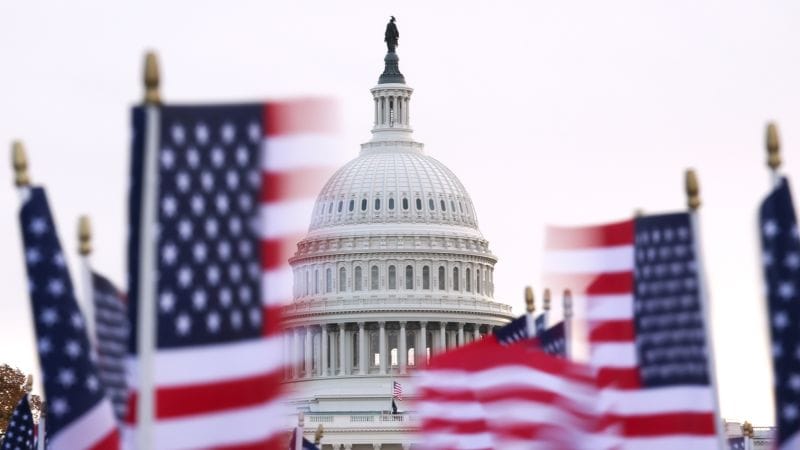
Photo by Felix-Mittermeier on Pixabay.