A Case Study in Media Convergence: The Fireball Event
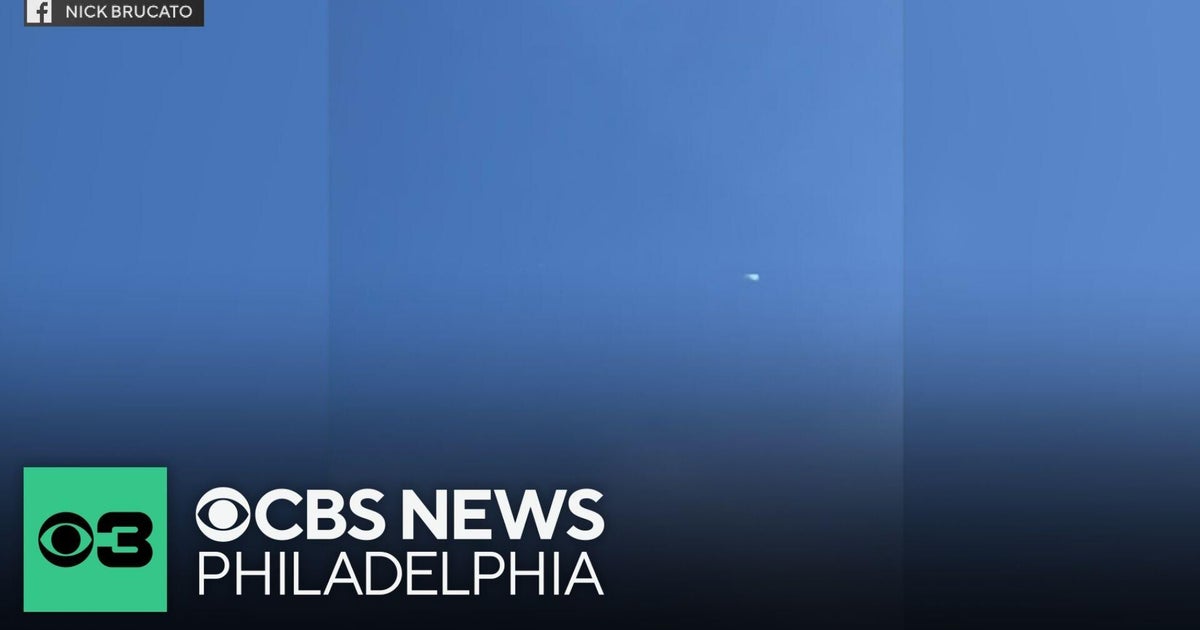
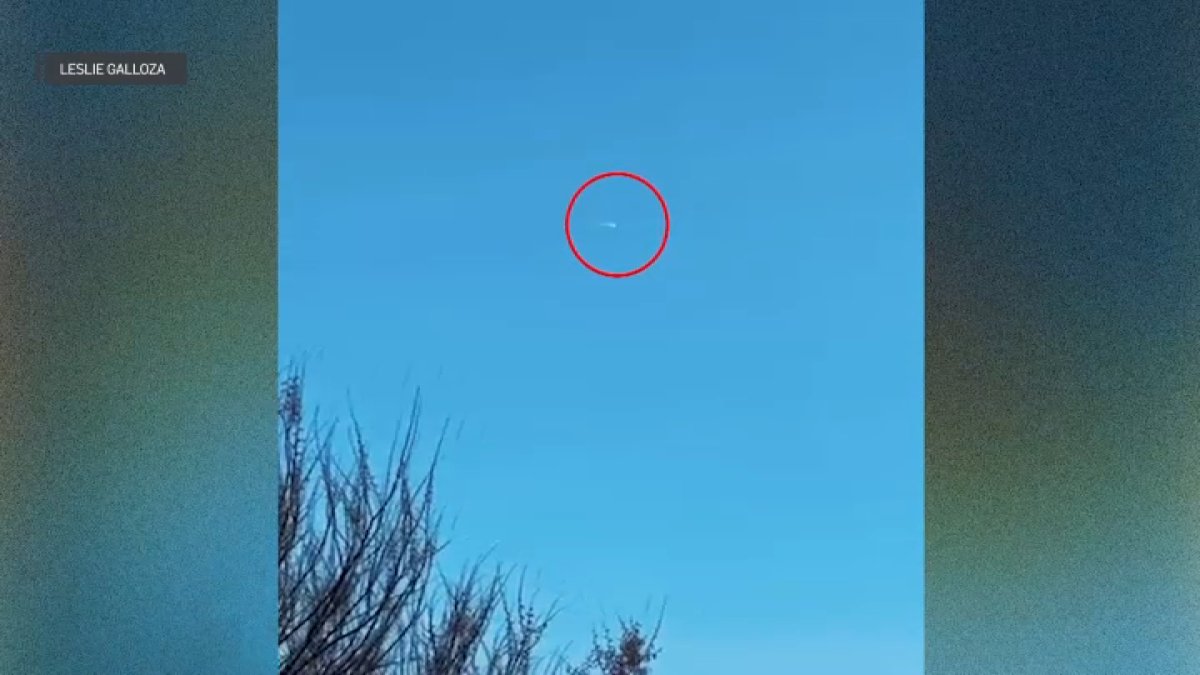
A meteor sighting over the Northeastern United States recently served as a practical case study in the dynamics of content acquisition and public communication within a fragmented media environment. The event, confirmed by NASA, involved a fireball first observed at approximately 48 miles above the Atlantic Ocean. Traveling at an estimated speed of 30,000 mph, the object traversed a path over populated areas before disintegrating about 27 miles above New Jersey.
The incident highlighted the structural shift in initial information dissemination from traditional newsgathering to citizen-led observation. The American Meteor Society (AMS) logged over 200 reports from individuals across five states—Pennsylvania, New Jersey, Delaware, New York, and Connecticut—demonstrating the high level of public engagement enabled by ubiquitous personal technology. This rapid, widespread reporting underscored the critical role of user-generated content (UGC) as the primary source of initial event documentation for local media.
The Economic Imperative of User-Generated Content
The response from local news organizations revealed the intense competitive pressures inherent in the modern media landscape. Multiple outlets, including 6abc, CBS Philadelphia, and NBC10, immediately covered the event, with a primary focus on soliciting UGC. This approach signifies a strategic pivot away from traditional reporting models, where newsrooms dispatch reporters, toward a model where content acquisition relies heavily on audience participation.
The competition for exclusive footage of visually compelling, high-interest events like the meteor sighting creates a zero-sum game for audience attention. For local news organizations, the acquisition of high-impact visuals via user submissions offers significant operational and financial advantages. This content provides high-impact visuals at a fraction of the cost associated with deploying news helicopters or camera crews. This cost efficiency is particularly relevant in a competitive market where resources are constrained, and the demand for continuous, high-quality visual content remains high.
By involving viewers directly in the newsgathering process, media outlets strengthen community ties and encourage repeat interaction with their platforms. The strategic imperative for local news outlets is to capture and retain audience attention, which serves as a funnel for larger corporate assets. The source mentions “Brand Studio” and “Paramount+” in relation to CBS, indicating that local news operations contribute directly to the financial performance of the parent company by driving traffic and supporting subscriptions to streaming services.
Sustaining Trust in a Fragmented Information Ecosystem
The role of institutional verification, specifically by NASA, highlights the importance of authoritative sources in managing public perception in an environment where misinformation spreads rapidly. While initial public reports provided visual documentation, confirmation from NASA provided a layer of scientific credibility that contrasted with the more speculative nature of initial public reports. This institutional verification serves a dual purpose: it informs the public accurately about a natural phenomenon and reinforces the institution’s role as the definitive source of information on space-related events.
The prompt communication from institutions like NASA helps to mitigate potential public anxiety and counter sensationalism. This strategic decision demonstrates a commitment to public service and scientific literacy, positioning the institution as a reliable authority in a fragmented media landscape. This institutional response is critical for maintaining public trust in scientific expertise and official communication channels, especially given the rapid dissemination of unverified information.
Operationalizing Verification and Public Safety Protocols
The reliance on user-generated content introduces significant operational challenges for news organizations, particularly concerning verification and authenticity. With over 200 reports logged for this single event, newsrooms face the task of sifting through a high volume of submissions, many of which may be low quality, irrelevant, or potentially fabricated. The operational burden requires newsrooms to implement specialized protocols to authenticate the source, time, and location of submitted content, often in real-time.
The meteor event serves as a practical test case for these verification protocols in a high-interest, low-risk scenario. The need for verification is essential to maintaining editorial integrity and avoiding the dissemination of false information, especially during high-velocity news cycles where competitive pressures incentivize rapid publication. While this specific event posed no threat, its trajectory over populated areas raises important considerations regarding public safety communication protocols for larger, potentially hazardous space phenomena. The prompt communication from NASA serves as a model for how institutions can effectively manage public concern and ensure that public safety resources are not unnecessarily deployed during unexpected natural events.