Strategic Reconfiguration: UConn’s Dominance Falters, New Era Emerges
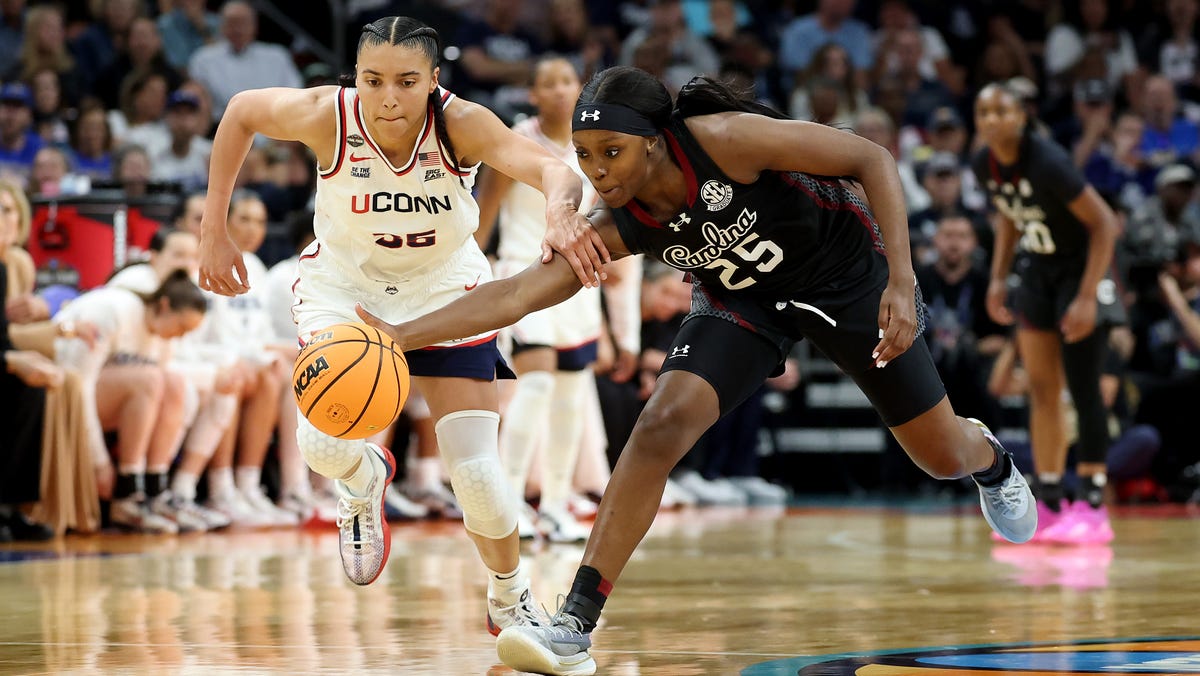
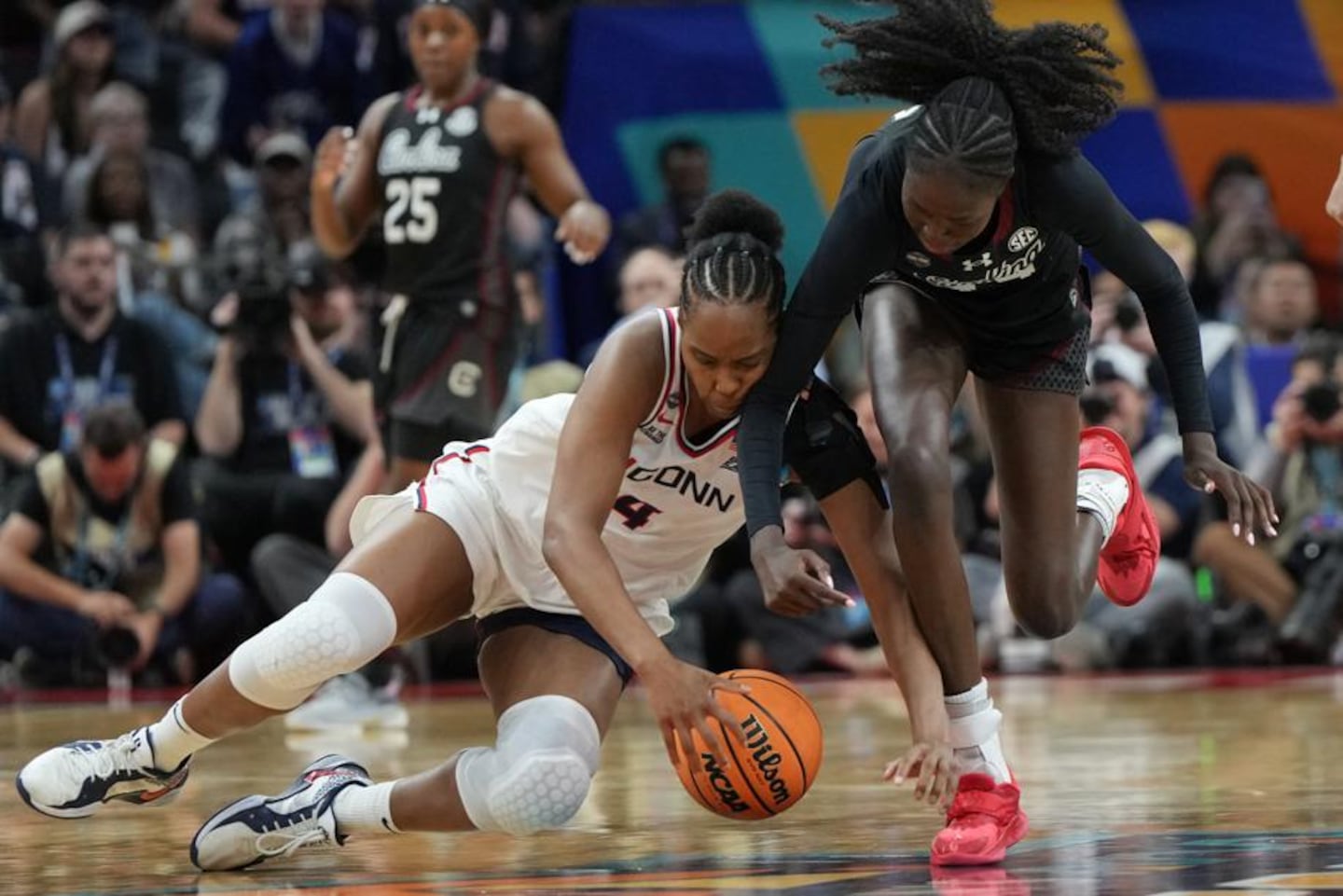
South Carolina’s decisive 62-48 victory over UConn in the NCAA Women’s Final Four not only propelled the Gamecocks to the national championship but also dramatically concluded UConn’s formidable 54-game winning streak. This outcome marks a pivotal recalibration of competitive power within collegiate basketball, signaling a broader shift towards a more diversified and dynamically competitive landscape.
For the Huskies, this defeat represents a critical inflection point, compelling an immediate re-evaluation of their strategic positioning, talent pipeline efficacy, and tactical adaptability. The termination of such a prolonged period of singular dominance inevitably triggers scrutiny over overall program resilience in high-stakes environments, challenging established narratives of invincibility and fostering a new era of rivalries.
Tactical Masterclass: South Carolina’s Defense Redefines Benchmarks
South Carolina’s defensive strategy was a masterclass in competitive advantage, holding UConn to its lowest scoring output of the season (48 points) and effectively neutralizing key offensive assets like Azzi Fudd. This sophisticated tactical execution, which limited UConn to 38% field goal shooting and 33% from three-point range, redefined operational benchmarks for defensive efficiency in elite collegiate competition.
The Gamecocks’ ability to shut down a top-tier offensive unit underscores the increasing importance of defensive specialization and scheme versatility, influencing future coaching strategies and player development priorities across the sport. For UConn, these offensive struggles exposed critical vulnerabilities under intense pressure, necessitating a comprehensive review of offensive play design, shot selection, and player readiness for high-leverage moments, which will impact future recruitment and training methodologies.
Brand Equity, Media Economics, and Market Revaluation in Women’s Hoops
The termination of UConn’s 54-game winning streak carries substantial implications for the brand valuation and media economics of both programs, as well as for women’s college basketball at large. A streak of that magnitude generates consistent, high-value media attention, significantly enhancing institutional brand equity, attracting top recruits, sponsors, and fan engagement.
South Carolina’s ascendancy, marked by this pivotal victory and advancing to a third straight national championship game, solidifies its position as a premier program. This directly enhances its marketability, amplifies sponsorship opportunities, and increases its influence within media rights negotiations. The narrative shift from UConn’s near-invincibility to South Carolina’s dominant rise creates compelling new storylines for broadcasters and sports media, potentially diversifying viewership, expanding the sport’s overall audience, and driving increased commercial investment by fostering greater perceived parity and enhanced entertainment value.
Institutional Governance and High-Pressure Coaching Dynamics
UConn coach Geno Auriemma’s public statements regarding officiating and his heated exchange with South Carolina coach Dawn Staley introduce a layer of institutional and reputational complexity. Such public displays of dissatisfaction from a high-profile figure underscore the inherent pressures and subjective elements within competitive sports governance, triggering broader discussions about referee accountability, game management protocols, and professional conduct.
While reflecting the intense emotional and strategic investments coaches make, these incidents challenge the NCAA and its member institutions to balance competitive intensity with standards of decorum and fair play. This will influence future policy considerations regarding sideline conduct and media interactions, demanding careful management by athletic departments and conference offices to preserve the sport’s integrity and public perception.
Future Trajectories: Recruitment, Development, and Program Adaptation
For South Carolina, the collective defensive effort and balanced scoring serve as a powerful testament to their robust player development model and strategic recruitment success, further attracting future talent seeking a pathway to elite competition and national recognition. The program’s sustained success reinforces the return on investment for institutional spending on facilities, coaching, and player development.
UConn’s strategic response to this defeat will be closely watched by prospective recruits and the broader basketball community. The program’s ability to adapt, rebuild, and maintain competitive excellence after the end of a generational streak is a critical test of its long-term sustainability and strategic vision in talent acquisition. This outcome underscores the cyclical nature of competitive advantage in collegiate sports, where sustained elite status demands continuous innovation in coaching, recruitment, and player development.
Ultimately, this Final Four result catalyzes a strategic re-evaluation across women’s collegiate basketball, fostering a more dynamic, engaging, and unpredictable environment. The emergence of multiple dominant programs enhances overall interest and investment, contributing significantly to the sport’s long-term growth and commercial viability by offering richer narratives and more diversified competitive appeal, ultimately elevating the sport’s profile.