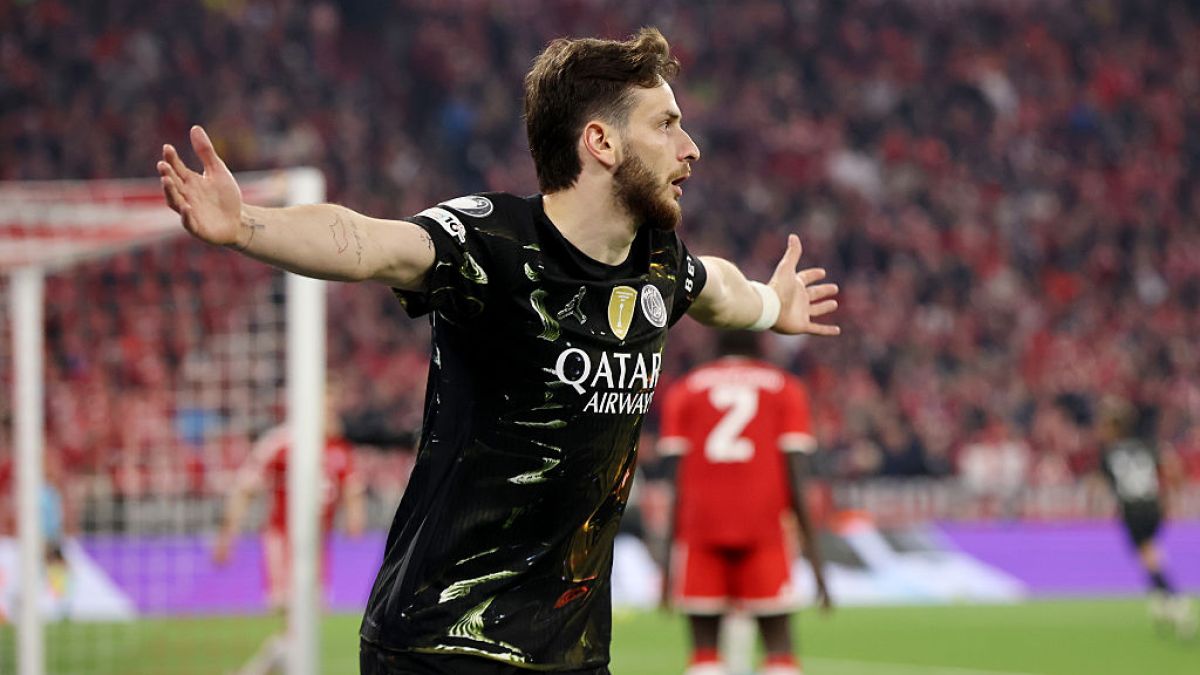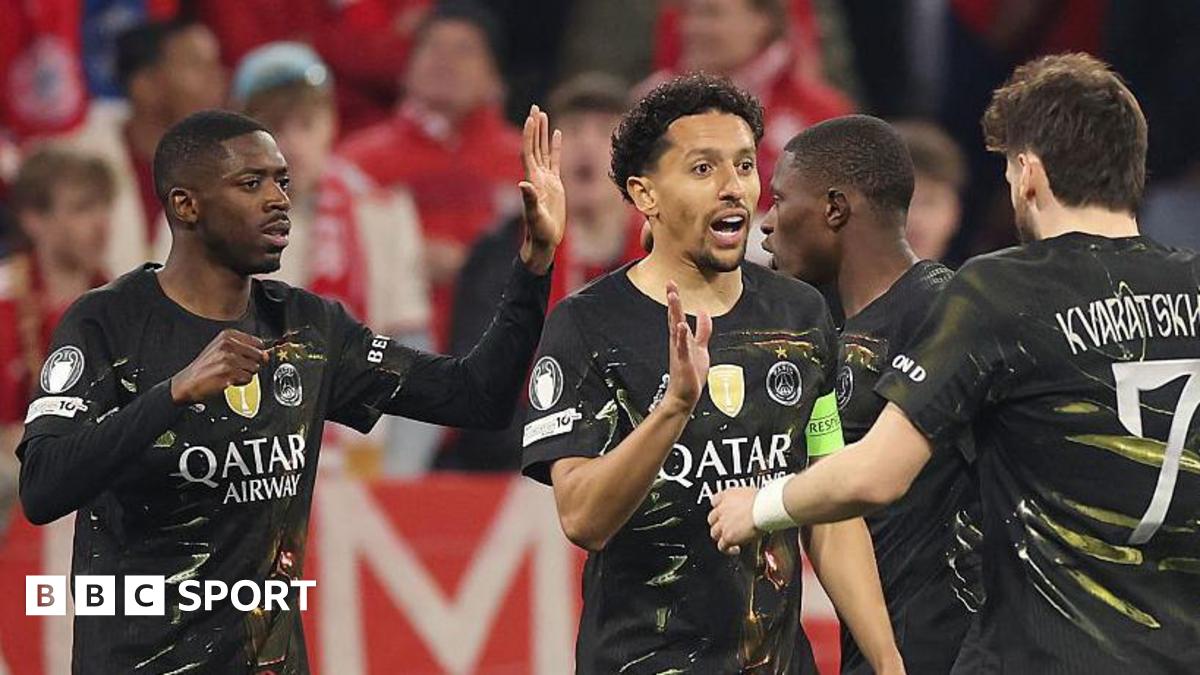
The UEFA Champions League semifinal second leg between Bayern Munich and Paris Saint-Germain has devolved into a study of structural insolvency for the hosts. Following a 3rd-minute conversion by PSG, the aggregate deficit has widened to 4-6, fundamentally destabilizing Vincent Kompany’s risk-mitigation strategy. This early volatility neutralized the Allianz Arena’s territorial advantage, forcing Bayern into an immediate reactive state.
Tactical Conflict: Midfield Overloads and Half-Space Exploitation
Vincent Kompany’s 4-2-3-1 deployment aimed for central stability and lateral transition speed. However, early match-momentum metrics confirm a failure to contain Luis Enrique’s 4-3-3 system. The Parisian midfield trio consistently created a numerical superiority against Bayern’s double-pivot, facilitating high-intensity verticality and effective coverage of the half-spaces.
By securing an early lead, Enrique leveraged the 4-3-3’s inherent flexibility to dictate tempo and disrupt Bayern’s build-up from the deep block. The aggregate pressure of 4-6 has forced Bayern’s creative pivots into defensive retraction, diminishing their ability to generate high-value Expected Goals (xG) while exhausting their operational capacity in the final third.
Threat Metrics and Defensive Transitions
Data indicates absolute Parisian dominance in the opening quintile, defined by successful ball progression and clinical exploitation of Bayern’s high defensive line. This phase exposed a systemic vulnerability in Bayern’s defensive transition, where the vertical distance between the midfield and the backline was bypassed with tactical precision.
Analyst Chris Sutton observed a gradual stabilization of Kompany’s block following the initial shock, yet the underlying threat levels remained skewed toward the visitors. PSG’s offensive protocol specifically targeted the spaces vacated by Bayern’s advancing full-backs, utilizing a well-rehearsed counter-pressing trigger to maintain territorial control.
Institutional Stakes and Financial Projections
Beyond the pitch, the financial delta between semifinal elimination and final qualification involves substantial UEFA prize pool distributions and commercial performance bonuses. For Bayern, an exit would signal a significant setback for the current managerial project’s ROI. Conversely, PSG’s progression validates a strategic pivot toward a system-oriented squad composition over individual celebrity. This match serves as a definitive litmus test for Kompany’s tactical maturity in high-stakes knockout environments against elite continental opposition.
Operational Forecast
As the match enters its secondary phase, Bayern must reconcile the necessity for offensive output with the risk of conceding a decisive away strike. PSG’s 4-3-3 is optimized for exploiting structural breakdowns during an opponent’s desperate surge. To regain leverage, Bayern must re-establish control of the central corridor and increase their threat value without compromising their rest-defense. The effectiveness of their 4-2-3-1 now depends entirely on whether their wide attackers can pin back PSG’s defensive flanks and disrupt the visitors’ lateral ball movement.