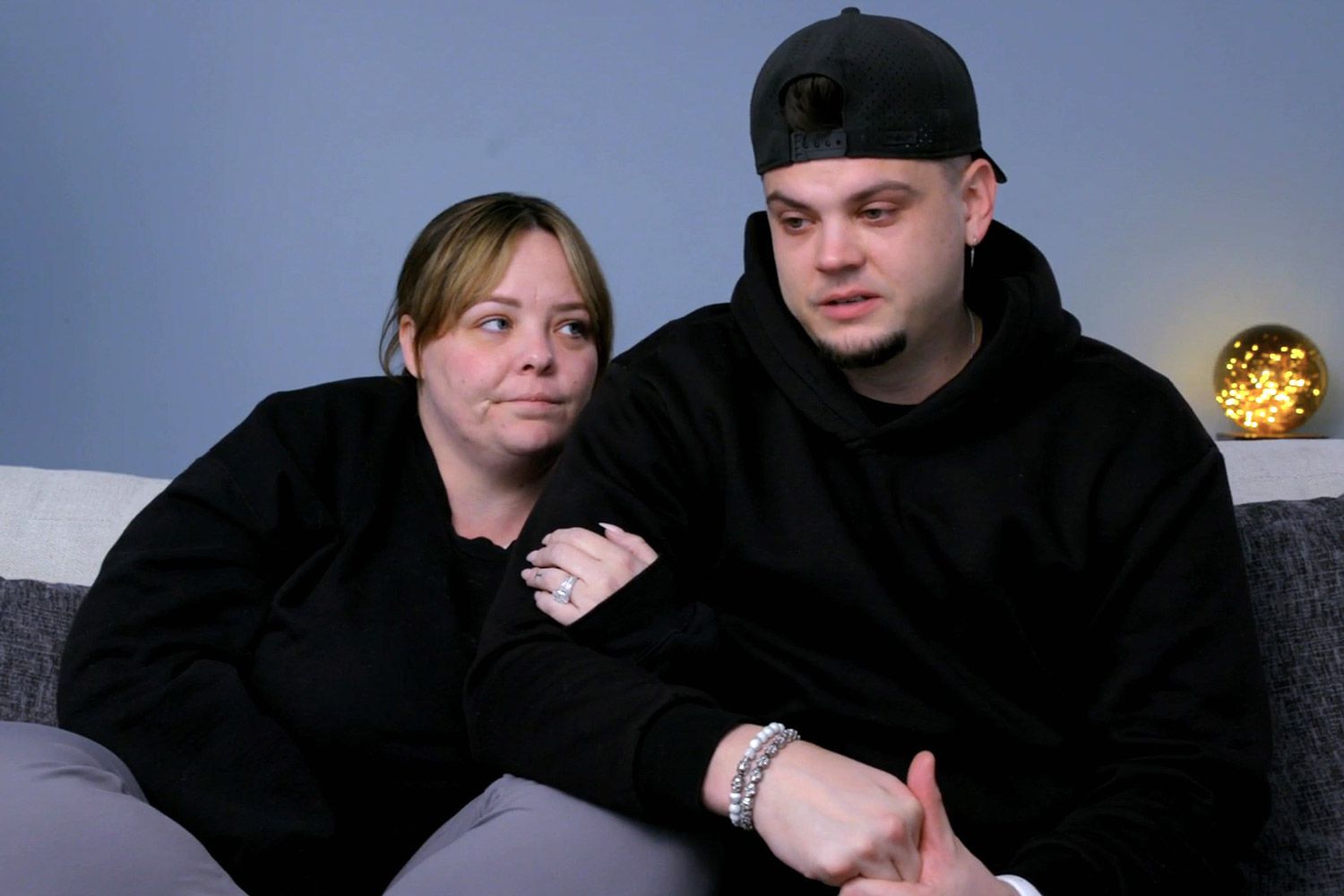
The recent disclosures by Tyler Baltierra regarding the cessation of contact with his biological daughter, Carly, illustrate a critical pivot in the operational dynamics of open adoption. This transition from a participatory arrangement to a closed structure—enforced by the adoptive parents in 2023 and 2024—exposes the inherent precarity of non-legally binding communication frameworks within the domestic legal system. When informal agreements collide with the unilateral authority granted by a final decree of adoption, the resulting power imbalance often leads to the total disenfranchisement of the biological parents.
Circumventing Gatekeeping via Asynchronous Repositories
In response to the severance of traditional communication channels, Baltierra and Catelynn Lowell have implemented a strategy of digital archiving. By utilizing a private email account as a long-term repository for biological heritage, they have created an asynchronous link intended to bypass current gatekeeping mechanisms. This maneuver acknowledges the finite nature of parental legal authority, positioning the archive as a direct ‘future inheritance’ for the child upon reaching the age of majority.
This shift reflects a broader trend where technology is leveraged to maintain biological presence without violating immediate legal boundaries. By documenting lived experiences in real-time for future consumption, the Baltierras are attempting to mitigate the impact of a communication vacuum while adhering to the reality of the closed adoption. This strategy effectively shifts the burden of reconciliation from the adults to the adoptee, providing a self-directed path for identity exploration outside of the mediated family structure.
Institutional Vulnerabilities and the Lack of Legal Recourse
The breakdown of this specific arrangement serves as a case study for the systemic vulnerabilities of open adoption contracts. In most jurisdictions, these agreements are categorized as moral obligations rather than enforceable mandates. This lack of legal protection leaves biological parents with zero recourse when adoptive parties—driven by a desire for privacy or environmental stabilization—decide to terminate access. The absence of an explicit explanation for the 2023 cutoff underscores a total collapse in collaborative governance, forcing biological parents into the role of passive observers.
Reality Media and the Commercialization of Privacy
The intersection of reality television and private domestic governance introduces unique friction. For the adoptive parents, the public visibility of the Baltierras likely serves as a deterrent to openness, as the ‘Teen Mom’ brand potentially encroaches on the minor’s right to a private life. Conversely, the Baltierras utilize their platform for public advocacy, creating a permanent media record that can influence the child’s future perception. This tension illustrates the competitive interests between biological narrative rights and the adoptive unit’s mandate for an uninterrupted family identity.
Managing Internal Family Culture and Sibling Continuity
To prevent the erasure of biological heritage within his own household, Baltierra maintains Carly’s presence through transparent dialogue with his other daughters—Nova, Vaeda, and Rya. By refusing to omit the eldest sibling from the family narrative, he is managing the internal culture to mitigate the psychological impact of ‘phantom’ siblings. This approach prepares the younger children for potential future integration, normalizing the complex circumstances of their biological unit and reducing the stigma associated with adoption-related separation.
The Age of Majority: A Strategic Shift in Agency
As the child approaches the age of 16, the strategic focus has shifted from seeking immediate access to preparing for the eventual transfer of agency. The digital archive serves as a passive bridge; it requires no action from the minor today but ensures that the path to biological history remains open once she gains legal independence. This reliance on digital self-help highlights the lack of institutional support for biological parents in maintaining continuity when the legal system prioritizes the finality of the adoptive decree over the fluidity of biological identity.