
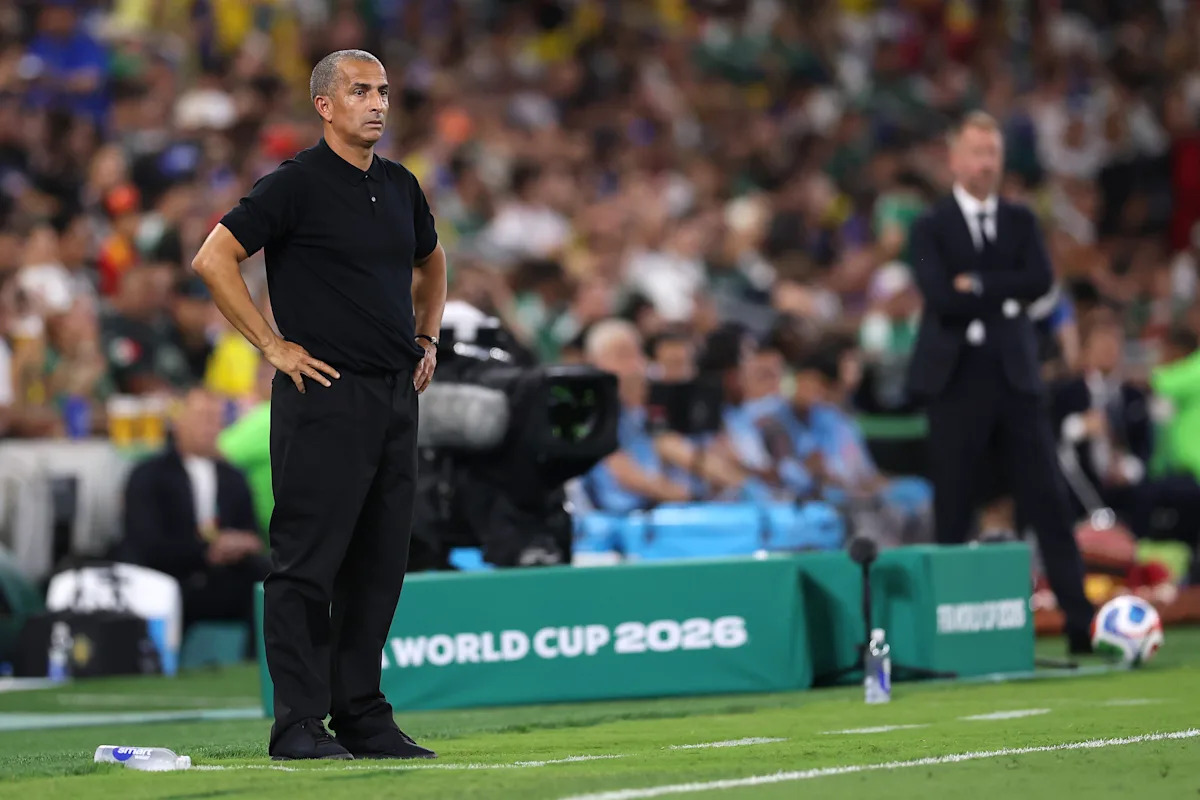
Institutional Instability at the 2026 World Cup
The dismissal of Sabri Lamouchi as head coach of the Tunisian national team marks a severe breakdown in operational continuity during a pinnacle sporting event. Following a lopsided 5-1 defeat to Sweden, the decision reveals the fragility of football federations when performance targets collapse under competitive pressure.
Replacing a head coach mid-tournament is an extreme measure, indicative of a terminal breakdown in strategic alignment between the coaching staff and the Tunisian Football Federation (FTF). Such volatility often masks deeper organizational dysfunction, where the manager becomes the focal point for pre-existing administrative tensions.
Governance, Performance, and Internal Discord
Evidence suggests that the professional relationship between Lamouchi and the federation had deteriorated long before the 2026 tournament. The catalyst for his removal was not merely the scoreline against Sweden, but the reported physical altercations within the training camp. These incidents signal a total loss of managerial control, forcing the federation to prioritize immediate, if disruptive, damage control over long-term tactical development.
Strategic Succession and Contingency Planning
The appointment of an interim lead, reportedly Wahbi Khazri, indicates that the federation maintained a reactive succession strategy. While mid-tournament transitions inherently risk tactical incoherence and plummeting player morale, the FTF leadership evidently calculated that the organizational risk of retaining Lamouchi exceeded the uncertainty of an abrupt leadership vacuum.
Financial and Reputational Stakes
The 2026 World Cup is a critical driver of commercial revenue and geopolitical visibility for Tunisia. A high-profile defeat, exacerbated by public internal strife, threatens the team’s market value and its standing within FIFA’s regulatory framework. Lamouchi’s short tenure—starting in January—culminating in a record of one win in five matches, left the federation with little justification to preserve his position in the face of widespread institutional dissatisfaction.
Systemic Failures Over Coaching Deficits
The pattern of periodic, high-stakes coaching purges in Tunisia suggests an institutional reliance on crisis management rather than sustained strategic investment. External investigative reporting by figures such as Romain Molina and Ben Jacobs has provided necessary transparency, documenting the disconnect between the federation’s public narrative and the reality of the camp’s internal fragmentation. Ultimately, the Tunisian scenario serves as a case study in the limitations of coaching influence; in the absence of robust institutional support and a unified vision, performance, regardless of tactical preparation, remains unsustainable.

Photo by Noel_Bauza on Pixabay.