

The New Calculus: Franchise Leagues Redefine National Team Priorities in Cricket
The recent team selection decisions surrounding the New Zealand versus Bangladesh ODI series in Dhaka underscore significant structural shifts within global cricket. The dynamics extend beyond match reporting to reveal deeper competitive and financial re-prioritizations. New Zealand’s decision to field a heavily modified squad, with eight changes from their last ODI appearance in January, highlights the increasing tension between traditional national team obligations and the burgeoning influence of private franchise leagues.
This re-prioritization is starkly illustrated by the absence of key players due to commitments in the Indian Premier League (IPL) and Pakistan Super League (PSL). With eighteen New Zealand players currently participating in these leagues, a substantial portion of the country’s elite talent pool is unavailable for the bilateral series. This mass unavailability suggests a fundamental reordering of incentives. Players are increasingly prioritizing the financial rewards and competitive exposure offered by franchise leagues over national team duties, particularly when those duties involve series perceived as less prestigious or commercially valuable.
The Strategic Implications of Institutional Adaptation
This dynamic places national cricket boards in a precarious position. The decision by New Zealand Cricket to proceed with a developmental squad, rather than attempting to enforce player availability, indicates an acceptance of this new economic reality. This approach represents a calculated strategic shift: prioritizing long-term talent pipeline management and institutional health over short-term results. Competing directly with the financial power of franchise leagues for player services is often unsustainable, leading national boards to redefine the purpose of bilateral series. These series are now increasingly viewed as opportunities for talent assessment and pipeline development rather than high-stakes competitive events, a structural change that affects their perceived value for broadcasters, sponsors, and fans.
Operational Challenges and Squad Depth Management
New Zealand’s operational strategy for this series reveals a deliberate approach to managing talent scarcity. The concurrent engagement of the men’s ‘A’ side in first-class and one-day matches in Sri Lanka highlights a concerted effort to develop a broader base of players. This strategy addresses the immediate need for squad depth by ensuring a supply of players capable of stepping into the senior team when primary players are unavailable due to franchise commitments or rest cycles. While this strategy addresses immediate operational needs, it introduces inherent competitive risk by fielding less experienced players against established international opponents.
The return of captain Tom Latham, whose last ODI appearance was in November 2025, further highlights the rotational nature of current squad management. Latham’s leadership role extends beyond on-field tactics; he must integrate new players and manage expectations for a team that lacks cohesion and experience at the highest level. The challenge for Latham is not merely winning the series, but ensuring the developmental squad gains valuable experience without compromising team morale or long-term performance objectives. This situation exemplifies the new leadership paradigm where managing a two-tiered system of talent availability is essential.
Bangladesh’s Strategic Response and Risk Assessment
From Bangladesh’s perspective, the match preparation was complicated by a last-minute operational challenge. A delay in the toss due to a team sheet change revealed that key bowler Mustafizur Rahman was replaced by Shoriful Islam due to a knee injury. This incident highlights the inherent fragility of player availability in high-intensity sports, where physical demands and tight schedules increase the risk of injury to key personnel. The sudden loss of a primary bowler necessitates an immediate tactical adjustment, requiring Bangladesh to rely on a different bowling strategy during the match.
Despite New Zealand’s weakened squad, Bangladesh captain Mehidy Hasan Miraz’s statement—”We cannot see New Zealand as a weak side”—reveals a strategic awareness of the psychological risks involved. Underestimating a developmental squad can lead to complacency and tactical errors. Miraz’s comment suggests a deliberate effort to maintain focus and respect for the opposition’s potential, recognizing that even a second-string New Zealand side possesses significant talent and competitive drive. This cautious approach demonstrates an understanding of the competitive dynamics at play in this new environment.
Competitive Implications and Market Dynamics
The competitive landscape of international cricket is being fundamentally altered by the financial power of franchise leagues. The movement of 18 New Zealand players to the IPL/PSL highlights a significant shift in capital flow away from national boards toward private entities. This change in financial incentives has profound implications for player contracts, talent retention, and the overall governance structure of the sport. National boards must now compete with private capital, often resulting in compromises regarding player availability for international fixtures.
New Zealand Cricket’s strategy reflects a broader trend where national boards integrate franchise leagues into their long-term planning. This involves using bilateral series as developmental opportunities while prioritizing major tournaments (like World Cups) for full-strength squads. This approach risks devaluing bilateral series and creating a two-tiered system where international cricket’s relevance diminishes outside of major events. The match itself serves as a microcosm of this larger structural conflict, testing New Zealand’s talent development strategy and Bangladesh’s operational resilience under pressure.
Conclusion: The New Normal for International Fixtures
The New Zealand versus Bangladesh series serves as a case study in the new operational normal for international cricket. The unavailability of 18 players due to franchise league commitments, coupled with a simultaneous ‘A’ side tour, reveals a strategic pivot by New Zealand Cricket. This pivot prioritizes long-term talent development and player management over immediate competitive results in bilateral series. The structural tension between national boards and private leagues is now a defining characteristic of the sport.
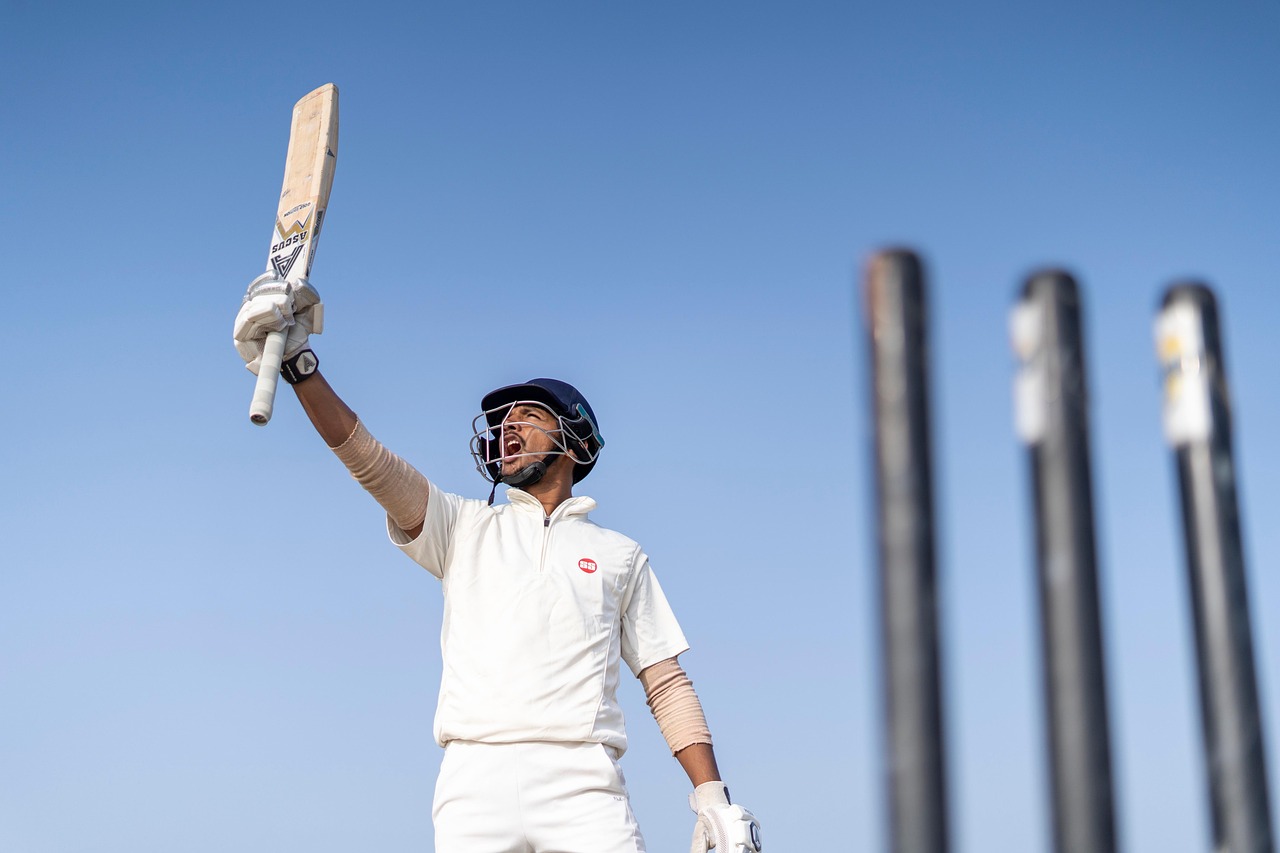
Photo by yogendras31 on Pixabay.