Toyota’s sedan portfolio is navigating a structural convergence of internal overlap, external technological disruption, and quality assurance vulnerabilities. As the automaker attempts to transition midsize and executive nameplates into modernized hybrid configurations, brand equity and tier differentiation face significant market friction.
Portfolio Cannibalization: The Crown-Camry Dilemma
The Toyota Crown—positioned as a high-riding, premium successor to the discontinued Avalon—has struggled to justify its value proposition against the newly redesigned Camry. Despite engineering distinctions, including a 1.0-inch longer wheelbase, 3.7 inches of additional height, and 0.4 inches of added ground clearance, consumer adoption has contracted. Crown deliveries declined from approximately 19,000 annual units during its initial market phase to 12,309 units last year.
This 35% contraction correlates with the market arrival of the refreshed Camry. While the Crown leverages cosmetic differentiators such as 21-inch wheels and bi-tone styling, the market has favored the optimized architecture, brand recognition, and lower price threshold of the Camry. Consequently, Toyota’s product tiers are actively competing for a consolidated sedan buyer base rather than expanding total segment capture.
Competitive Disruption: GAC Aion RT
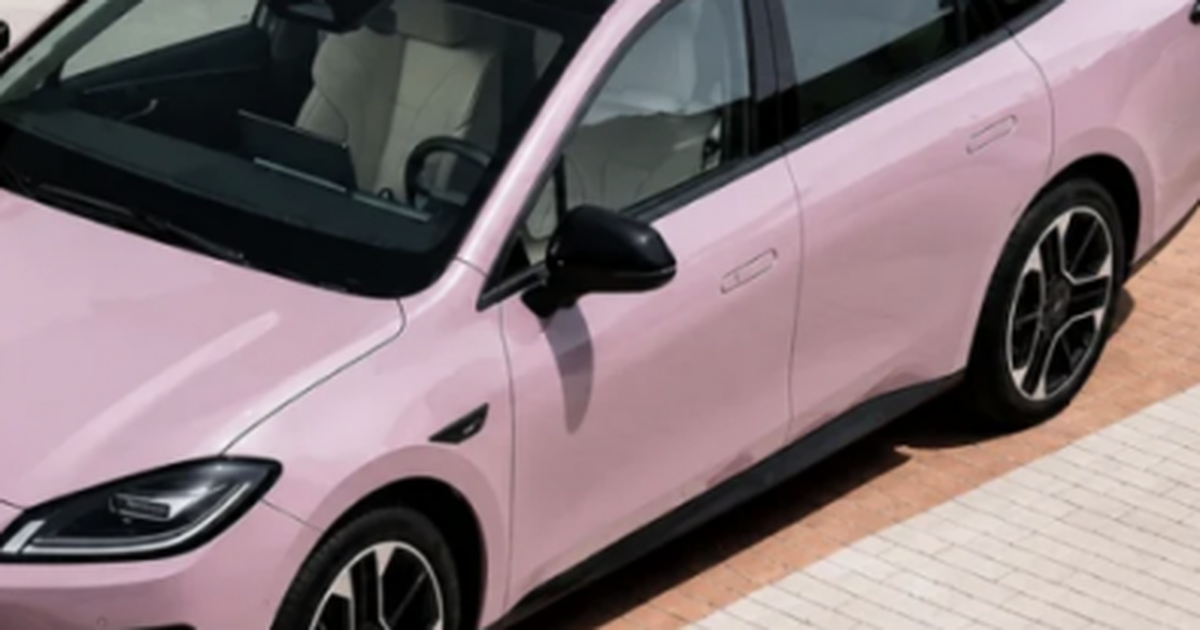
Concurrently, external price-to-specification pressure is accelerating in key international markets through the introduction of the GAC Aion RT 2027. Priced at 388 million VND, the all-electric sedan targets the mid-to-large segment traditionally dominated by legacy hybrids like the Camry and Kia K5.
- Powertrain Efficiency: The Aion RT incorporates an amorphous alloy electric drive system, outputting 224 horsepower to optimize energy consumption.
- Range Dynamics: Achieves an operational range of 710 km under the CLTC test cycle, rivaling the long-distance range parity of internal combustion and hybrid architectures.
- Aerodynamic Packaging: Integrates a fastback coupe silhouette, forward-fender charging port integration, and optimized frontal geometry to reduce drag coefficients.
By delivering extended EV range and advanced electronic architecture at a sub-hybrid price threshold, manufacturers like GAC are testing the pricing power and transition velocity of traditional OEMs.
Quality Assurance and Regulatory Exposure: 500,000-Unit Recall
Operational complexity has been amplified by a safety recall encompassing more than 500,000 Toyota Camry Hybrids across the 2025 and 2026 model years. A software display error within the vehicle’s electronic control framework can lead to the systemic deactivation of turn signals and hazard lights, creating direct regulatory and functional compliance failures.
The logistical remediation across dealership networks represents an immediate operational bottleneck. More critically, experiencing electronic failures on high-volume, newly redesigned models threatens to compromise Toyota’s core brand pillar—perceived build reliability—precisely when alternative EV and hybrid competitors are aggressively competing for market share.
Strategic Outlook
Toyota’s near-term sedan trajectory will depend on clear differentiation between mid-tier and executive nameplates, rapid resolution of firmware and display vulnerabilities, and defensive positioning against cost-competitive EV platforms in rapidly evolving global markets.