Cybertruck ‘Wade Mode’ Incident: Arrest and Intensified Regulatory Scrutiny
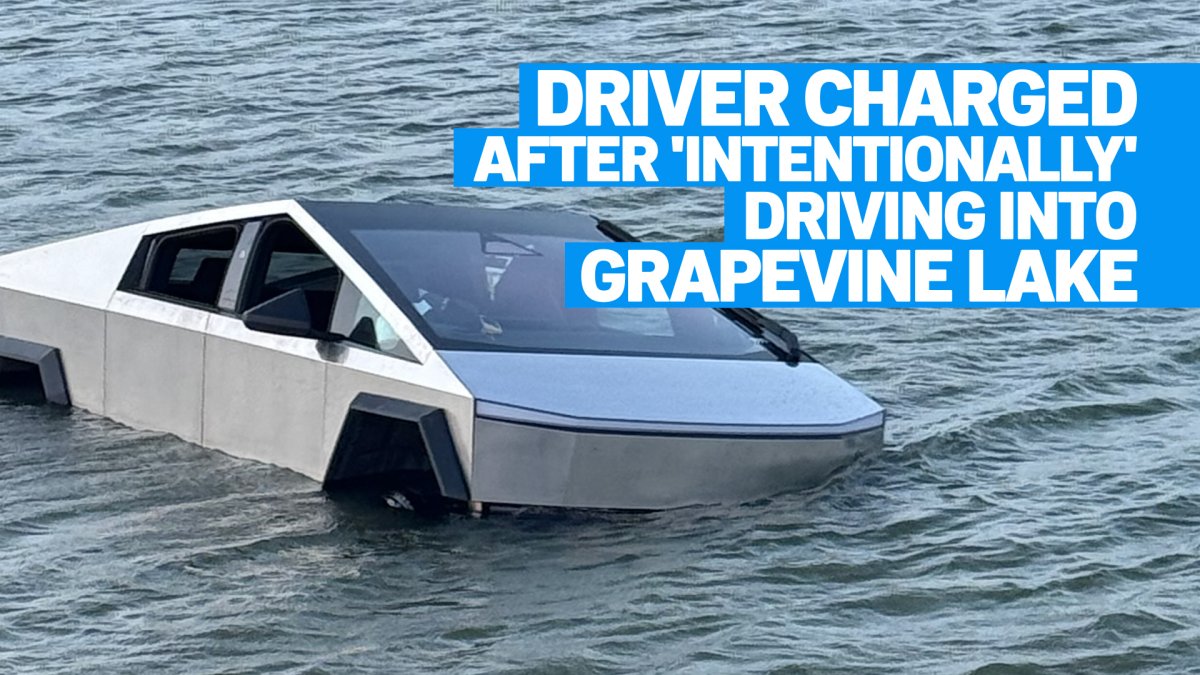
A recent event involving a Tesla Cybertruck intentionally submerged in Grapevine Lake, Texas, to test its ‘Wade Mode’ capability has resulted in the driver’s arrest and ignited broader concerns about user understanding of advanced vehicle functions and the adequacy of current automotive regulations. The driver, Jimmy Jack McDaniel, faces multiple charges including operating a vehicle in a closed lake section and water safety violations, highlighting immediate legal and operational repercussions of technology misuse.
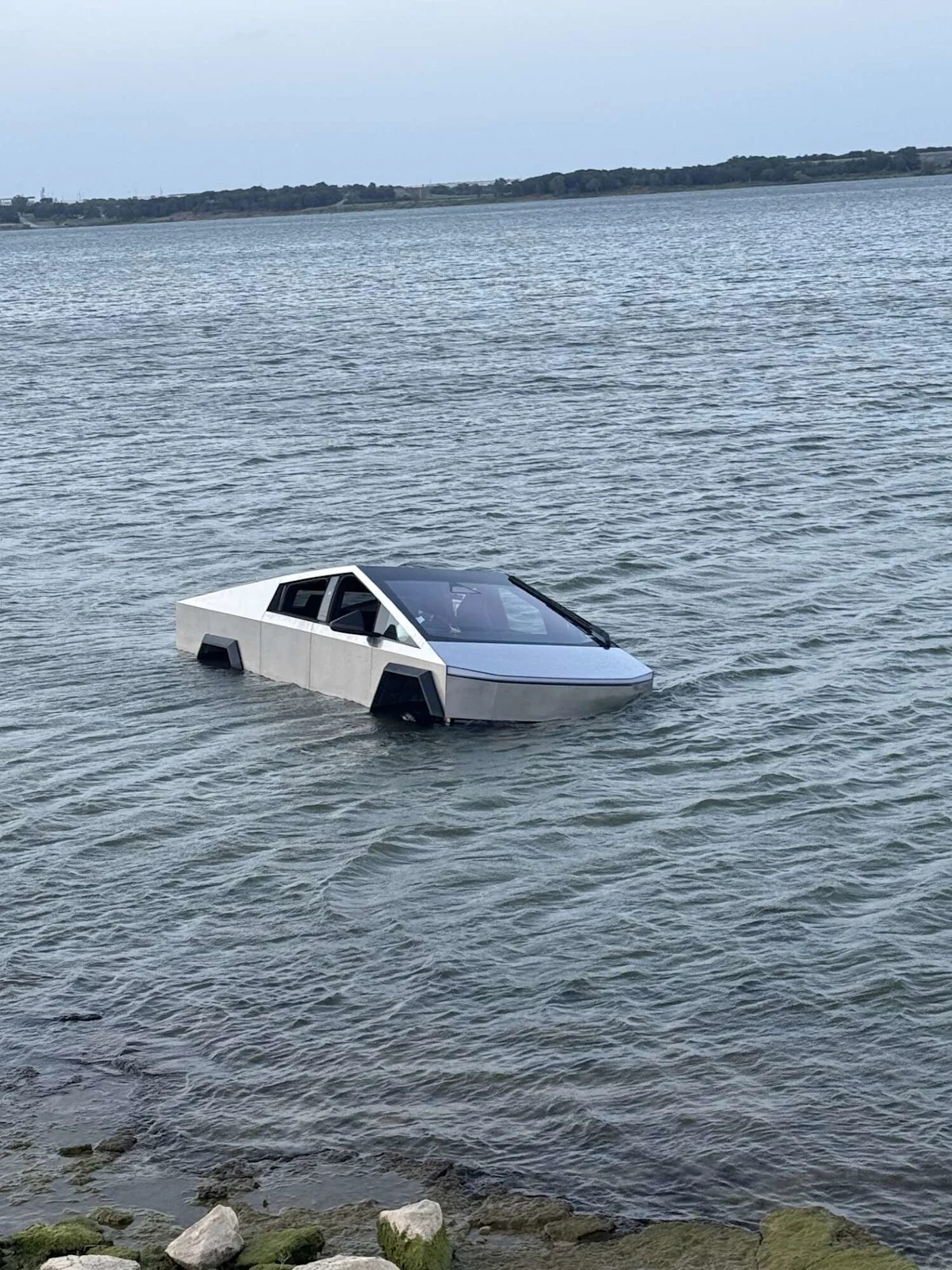
The Grapevine Police Department’s intervention at Katie’s Woods Park Boat Ramp underscores a direct conflict between novel automotive technology and established public safety laws. The Cybertruck, disabled after taking on water, necessitated a rescue operation by the Grapevine Fire Department, demonstrating the tangible risks of testing vehicle limits in uncontrolled aquatic environments.
Tesla’s owner’s manual specifies ‘Wade Mode’ for traversing water up to 81.5 cm (32 inches). The vehicle becoming disabled suggests this limit was either exceeded or the driver lacked sufficient understanding of the feature’s precise operational parameters. This incident highlights a significant challenge for manufacturers in ensuring users fully grasp the intended use and inherent risks of sophisticated vehicle systems.
The driver’s admission of intentionally entering the lake to test ‘Wade Mode’ points to potential user misinterpretation of feature marketing or a desire to explore the vehicle’s boundaries beyond its intended application for navigating rivers or creeks.
Charges filed, including operating without valid boat registration, suggest a regulatory gray area where automotive capabilities intersect with maritime law. This may necessitate a review of existing statutes to accommodate vehicles with amphibious potential.
The financial implications for the owner are considerable, encompassing recovery, repair, and potential increases in insurance premiums or future insurability, representing a significant capital exposure driven by a perceived need to validate technological claims.
This event underscores the critical role of manufacturer documentation and consumer education. While Tesla included warnings about maximum wade depth, the incident questions the efficacy of such advisories in preventing misuse of advanced features.
Increased scrutiny from bodies like the National Highway Traffic Safety Administration (NHTSA) is anticipated regarding the marketing and user education for features extending operational domains beyond conventional road use. The Cybertruck’s disabling and water ingress highlight the need for comprehensive safety protocol reviews.
In the competitive EV landscape, such incidents can significantly impact brand reputation. Amplified media coverage creates reputational risk that can affect consumer confidence and sales momentum, extending beyond the individual owner to the manufacturer.
The operational complexity of ‘Wade Mode,’ designed to seal electronics and manage battery systems in water, was evidently challenged. The vehicle’s failure suggests potential vulnerabilities or exceeding design limitations.
Reports of the driver previously using the Cybertruck in water, including the Atlantic Ocean, indicate a pattern of behavior pushing perceived boundaries. This anecdotal evidence suggests a need for more robust consumer outreach and clear communication of feature limitations.
The incident places a strain on local emergency services, such as the Grapevine Fire Department’s Water Rescue Team, diverting resources for novel technological failures in public spaces.
From a capital markets perspective, such events can influence investor sentiment towards Tesla, impacting stock valuation and risk assessments by institutional investors.
For Tesla, the incident necessitates balancing product differentiation through cutting-edge features with the imperative of ensuring safe and responsible user engagement. ‘Wade Mode’ presents a higher risk profile than standard driving functions.
This event may catalyze industry-wide discussions on the responsible introduction of amphibious vehicle features, potentially influencing competitors towards more conservative marketing or enhanced user training.
Legal ramifications could involve product liability claims if the ‘Wade Mode’ feature is deemed inadequately explained or misleading, despite manual warnings. This involves a complex interplay of manufacturer disclosures, user actions, and consumer protection laws.
The incident serves as a case study on the evolving relationship between advanced vehicle technology and public infrastructure, highlighting the need to re-evaluate regulatory and safety frameworks for multi-environment vehicles.
Ultimately, the Cybertruck ‘Wade Mode’ incident is a confluence of technological innovation, user behavior, regulatory oversight, and public safety considerations that will likely shape future product development and consumer education in the automotive sector.
The driver’s alleged prior use of the vehicle in the Atlantic Ocean suggests a confidence in its capabilities that may exceed documented limits, underscoring the challenge of managing user expectations and preventing feature misuse.
The financial exposure extends to long-term component degradation from prolonged immersion, even with specialized modes, introducing capital depreciation not fully accounted for by users or insurers.
The incident highlights how automotive marketing can lead to features like ‘Wade Mode’ being perceived as invitations for extreme use, especially in a market segment valuing novelty and boundary-pushing performance.
Regulatory responses, including charges for operating in closed lake sections and water safety violations, point to a need for clearer guidelines for vehicles with amphibious capabilities, as existing laws for traditional watercraft may be insufficient.
For Tesla, this event is a critical juncture in managing the narrative around its most unconventional product, requiring a demonstration that innovation does not compromise public safety or regulatory compliance.
The operational integrity of the ‘Wade Mode’ system will undergo scrutiny. The vehicle’s disabling and water ingress suggest potential vulnerabilities or limitations requiring engineering solutions or clearer operational constraints.
The broader automotive industry will observe the fallout, potentially influencing the development and marketing of similar features, leading to more stringent testing, enhanced user training, or conservative promotion.
Economic impacts on local entities include disruption and costs for managing public access and safety during recovery, representing an indirect community cost.
Tesla’s strategic decision to include ‘Wade Mode’ aimed at differentiation now presents a significant reputational and operational challenge requiring careful management.
The legal framework at the intersection of automotive technology and water safety regulations is evolving, with this incident potentially prompting a re-examination of existing laws for multi-environment vehicles.
The substantial capital investment in ‘Wade Mode’ is now weighed against the risk management and brand reputation impact, questioning the return on investment beyond initial sales.
The incident could advantage competitors focusing on more conventional automotive technology or universally understood safety features if ‘Wade Mode’ is perceived as risky.
The perceived utility and reliability of ‘Wade Mode’ are diminished by its failure to prevent disabling and legal repercussions, replaced by negative publicity.
A long-term structural impact may involve a more cautious industry approach to features extending capabilities into non-traditional environments, prioritizing clear safety margins and demonstrable benefits.
Regulatory responses will set precedents for managing similar technologies, influencing industry product design, marketing, and consumer education.
The cultural context of valuing extreme performance must be balanced with a realistic understanding of risks and responsibilities associated with advanced vehicle features.
Financial markets will monitor Tesla’s incident management, which can affect stock valuation and investor confidence, adding to the cumulative perception of risk in its innovative strategy.
Operational challenges for Tesla include equipping customer support to handle ‘Wade Mode’ related issues and providing accurate guidance on its limitations.
Tesla’s strategic decision-making, favoring rapid innovation, will be tested by the need to address safety and regulatory concerns, demonstrating that innovation does not compromise public safety or compliance.