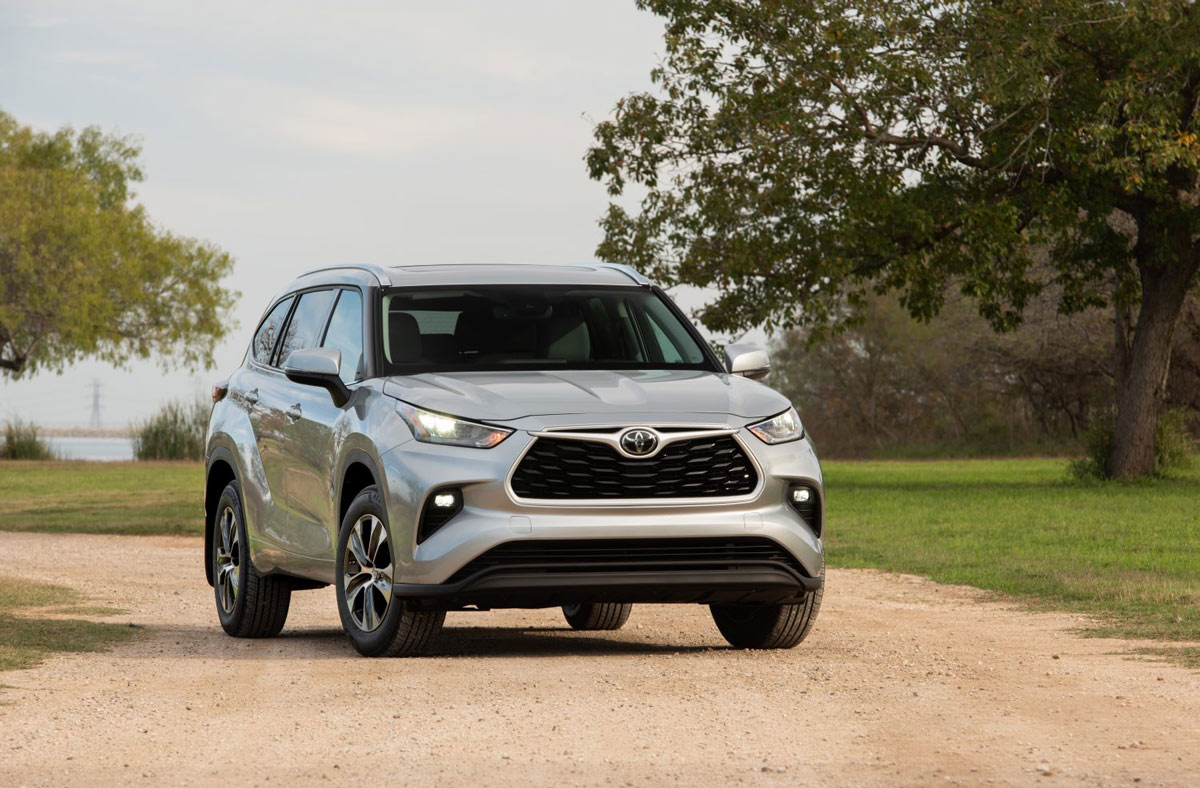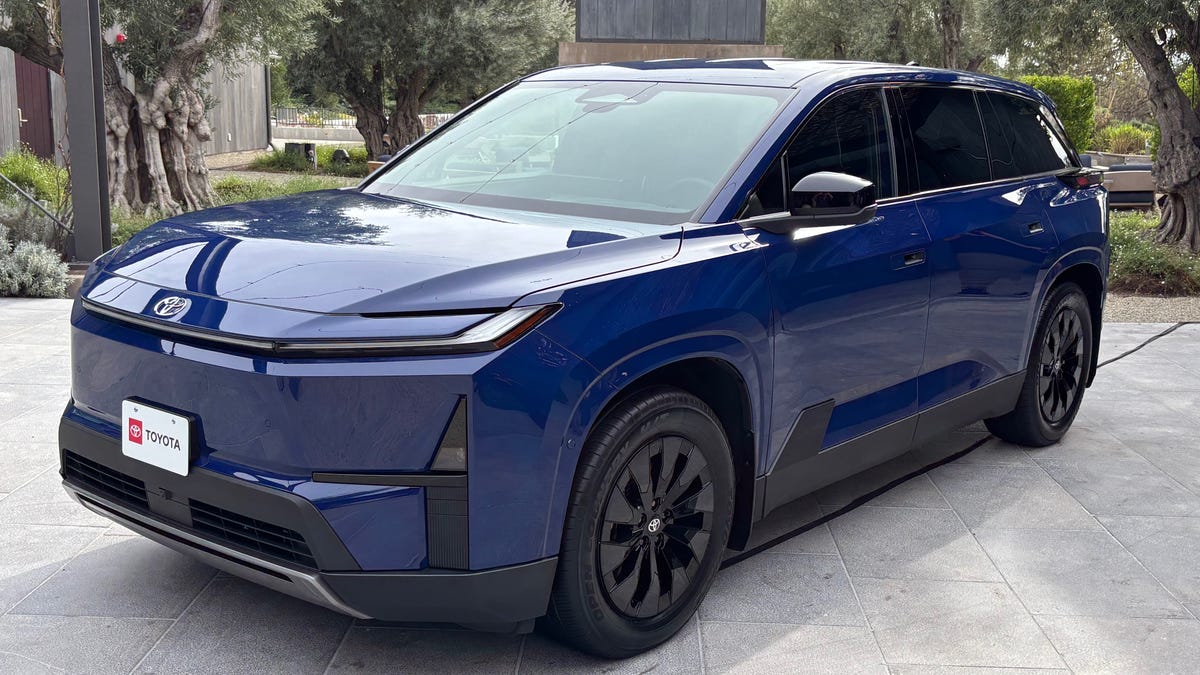
The strategic shift toward electric mobility within established automotive segments has been underscored by the confirmation of the 2027 Toyota Highlander EV. This development indicates a planned integration of battery-electric technology into one of the manufacturer’s cornerstone models designed for family utility and high-volume sales.
The documentation indicates that the 2027 model is projected to adopt a larger physical footprint compared to its immediate predecessor. Specifically, the forthcoming electric iteration of the Highlander is expected to be 3.9 inches longer than the current generation of the vehicle.
Institutional Context of Vehicle Lineage Evolution
The continuation and modification of established nameplates, such as the Highlander, represent a critical institutional strategy for legacy automakers navigating rapid technological transitions. Maintaining consumer recognition and trust associated with proven models mitigates the inherent risks associated with introducing entirely new electric platforms to market segments accustomed to traditional powertrain configurations.
For an entity like Toyota, which has historically balanced hybrid technology alongside conventional powertrains, transitioning a key three-row SUV to a full Battery Electric Vehicle (BEV) signifies a substantial commitment to battery-electric infrastructure and platform development. This decision reflects an acknowledgment of evolving regulatory landscapes and competitive pressures within the utility vehicle sector.
Market Positioning and Segment Dynamics
The three-row SUV segment occupies a crucial space in the North American automotive market, balancing passenger capacity, cargo utility, and family-oriented feature sets. Introducing an electric variant into this competitive space requires careful calibration of range capability, charging infrastructure compatibility, and interior spatial design, particularly when an increase in overall vehicle length is planned.
The reported increase in length, quantified at 3.9 inches, is not merely a trivial dimensional adjustment; it is an institutional decision likely aimed at optimizing battery packaging, enhancing crash structure compliance for future standards, or providing necessary third-row space that is often a determining factor for consumers in this vehicle class. In the context of a dedicated EV architecture, vehicle length directly correlates with the potential for battery energy density integration.
Product Launch Sequencing and Industry Timelines
The expected sales commencement for the 2027 Highlander EV is slated for late in 2026. This projected timeline places the model’s market introduction strategically within the broader industry cadence for major vehicle refreshes and powertrain conversions. Automotive development cycles are inherently long, involving extensive tooling updates, supply chain maturation for specialized components, and necessary regulatory certification processes.
The sequencing of a late 2026 launch for a 2027 model year vehicle adheres to established industry practices for maximizing sales impact before the onset of a new fiscal or calendar year. It also allows a buffer for initial production scaling and necessary quality audits following the transition from internal combustion engineering principles to dedicated electric vehicle architecture.
Editorial Note on External Market Pressures
While the core focus remains on the Highlander’s product planning, it is necessary to situate this within the broader operational environment suggested by related financial reporting. External sources have noted periods of significant financial challenge for legacy competitors, exemplified by reports of substantial net losses impacting other major automotive corporations during recent fiscal periods.
Such external market volatility reinforces the structural importance of strategic, high-volume product introductions like the Highlander EV. A successful transition of a core volume driver demonstrates institutional resilience and strategic execution capability amid industry-wide pressures related to capital investment in electrification and fluctuating consumer adoption rates.
Structural Implications for Manufacturing and Engineering
The conversion of the Highlander platform necessarily involves significant structural and administrative realignment within the manufacturing organization. Moving from established internal combustion engine (ICE) and hybrid manufacturing lines to full-scale EV production demands investment in specialized assembly processes, battery module integration facilities, and new supplier management protocols.
The noted dimensional expansion suggests that Toyota may be utilizing a dedicated Electric Global Modular Platform (e-TNGA or a subsequent iteration) rather than merely adapting the existing internal combustion chassis. This structural engineering decision prioritizes the inherent advantages of EV-native design, such as optimized weight distribution and cabin space maximization, over the compromises often inherent in retrofitting existing vehicle architectures.
The ability to successfully manage this complex engineering pivot—transitioning a high-volume, well-known product—is a key indicator of an automaker’s long-term structural preparedness for an electrified future. This transition impacts not only the assembly line but also the internal engineering departments responsible for thermal management systems, power electronics integration, and software-defined vehicle capabilities.
The Significance of the Three-Row EV Landscape
The market for large, family-oriented SUVs is characterized by strong brand loyalty and high replacement demand, making it a critical battlefield for electrification strategy. Consumers in this segment prioritize reliability, established service networks, and utility above pure performance metrics.
By committing the Highlander nameplate to this transition, Toyota signals a belief that its established institutional reputation for durability can successfully translate to the BEV format, thereby reducing perceived technological adoption risk for mainstream consumers hesitant about new electric brands. The specific details surrounding cabin configuration and cargo space, informed by the slight increase in overall length, will be crucial determinants of competitive parity against existing and emerging electric rivals.